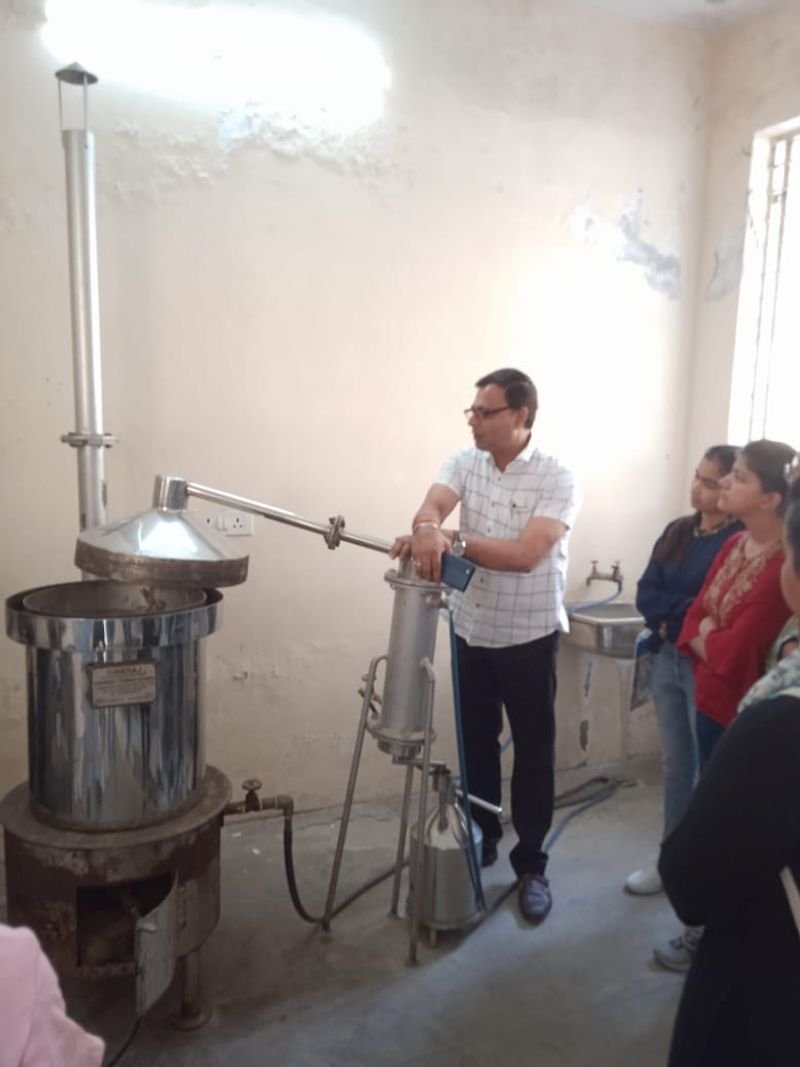

In an era where climate change, diabetes and microbial infections, falling water tables threaten the very backbone of Punjab’s agriculture and health sector, a local biotechnologist is turning to advanced biotechnology to secure the state’s farming future for sustainable livelihood.Head of the Postgraduate Department of Biotechnology at Lyallpur Khalsa College, Jalandhar, Dr Arun Dev Sharma’s laboratory is delivering high-tech, climate-resilient farming solutions directly to the soil of rural Punjab.His work focuses heavily on tackling climate-induced agricultural stresses and providing sustainable, technology-driven livelihoods for rural communities. His dual focus on climate-resilient crop technology and rural entrepreneurship is paving the way for sustainable agricultural development in Punjab.Battling the drought crisisPunjab’s agricultural sector is facing an unprecedented water crisis. Recognising this urgent threat, Dr Sharma has dedicated his research to developing drought-resistant crop variants. Using recombinant DNA (rDNA) technology, his team studies how vital regional crops like wheat and sorghum can withstand severe water scarcity without losing productivity.His cutting-edge research has earned substantial backing from India’s premier scientific bodies. Major grants from the Department of Biotechnology (DBT), the Department of Science and Technology (DST) and the University Grants Commission (UGC) have transformed his Jalandhar lab into a critical hub for climate-adaptive agriculture.Mitigating climate impacts on cropsDr Sharma’s core research focus is on plant molecular biology and recombinant DNA (rDNA) technology regarding abiotic stress. He has published extensive research on water scarcity and drought resilience in major staple crops like wheat and sorghum. This helps developers breed climate-resilient crops to safeguard food security in drought-prone regions like Punjab.However, Dr Sharma firmly believes that science is useless if it remains locked behind laboratory doors. “The ultimate laboratory is the farmer’s field,” says an associate from his department. To bridge this gap, Dr Sharma has spearheaded extensive rural outreach programmes such as Unnat Bharat Abiyan (UBA) and CSIR-AROMA mission. His department has adopted and partnered with neighbouring villages—including Pholariwal, Johlaan, Nangal Shama and Ladhewali—to introduce immediate, alternative livelihood opportunities.Empowering agri-entrepreneursAmong his most impactful initiatives is a low-cost, eco-friendly mushroom cultivation programme. Sponsored by the UGC, this certified training course is specifically designed for rural youth and struggling small-scale farmers.In addition, Dr Sharma regularly organises hands-on workshops. These camps translate complex plant molecular biology into practical, daily farming skills, teaching local agricultural workers how to manage soil health and optimise crop yields during dry spells.Dr Sharma is also exploring the medicinal and pharmaceutical properties of indigenous plants, potentially opening doors for lucrative herbal farming in the region. His research group uses computational biochemistry and molecular docking to discover novel antibacterial compounds. By validating the antimicrobial properties of natural essential oils against severe infections like Aspergillosis and Mucormycosis, his work helps address the global crisis of unchecked antibiotic resistance.Dr Sharma advocates for the medical benefits of herbal phytochemicals. He has demonstrated how natural extracts from plants like Tulsi and lemongrass can be leverage for their antimicrobial activities to aid in preventing or managing infectious diseases.