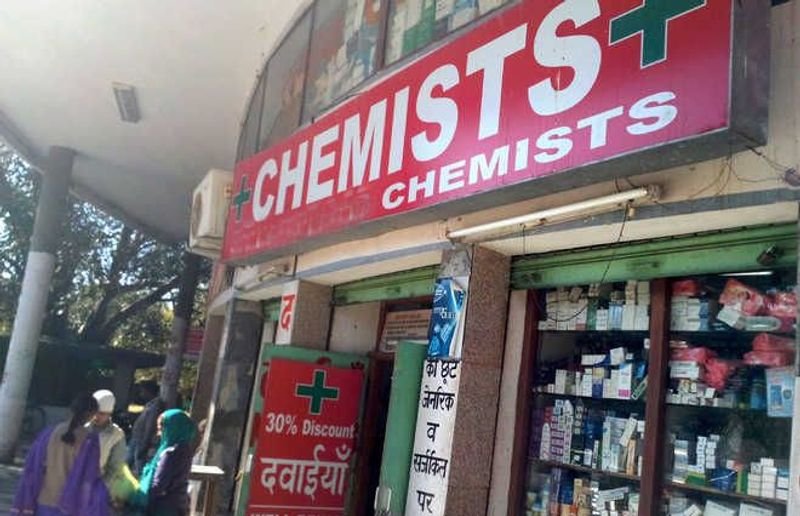

A trip to the neighbourhood chemist for a prescription medicine could soon be recorded on camera. The Centre has proposed making CCTV surveillance mandatory at retail medical stores for the sale of prescription medicines covered under Schedules H, H1 and X of the Drugs Rules, 1945.The proposal targets a a persistent gap in India’s drug-control system: medicines that legally require a doctor’s prescription but remain available over the counter at some pharmacies.The Union Health Ministry has suggested the change through Draft Gazette Notification GSR 791(E), issued on September 8. Under the draft, the supply of prescription drugs other than through wholesale dealing would have to take place under a CCTV system installed and maintained on the licensed premises. The recordings would have to be preserved for at least three months.An important distinction in the proposal is that wholesale transactions are excluded. The CCTV requirement is directed at the retail sale of prescription medicines, where the final transaction takes place between a pharmacy and a patient. The CCTV system is intended to create a verifiable record of transactions if regulators investigate compliance with prescription-sale requirements.The move covers medicines ranging from prescription antibiotics and anti-tuberculosis drugs to other medicines placed under the three schedules because of their potential risks and regulatory requirements. Schedule H1 already carries tighter controls, including restrictions on retail sale without a prescription.The proposal comes against India’s serious antimicrobial-resistance (AMR) burden. India has some of the highest rates of antimicrobial resistance among bacteria causing common infections, while the country also carries the world’s highest burden of antibiotic-resistant tuberculosis.A 2025 international study involving patients undergoing ERCP found multidrug-resistant organism carriage in 83.1 per cent of patients in its Indian cohort, compared with 31.6 per cent in Italy, 20.1 per cent in the US and 10.8 per cent in the Netherlands. The figures relate to that specific patient group and should not be treated as a national prevalence rate.Earlier this year, The Tribune highlighted the rampant sale of antibiotics without prescriptions at medical stores outside AIIMS and Safdarjung Hospital in Delhi.The policy trail also predates the notification. In March, the Drugs Consultative Committee agreed that CCTV cameras at medical stores could be made mandatory and should be positioned so that sales could be verified.The proposal is not yet law. The Union Health Ministry has invited objections and suggestions for 30 days before taking the draft forward.