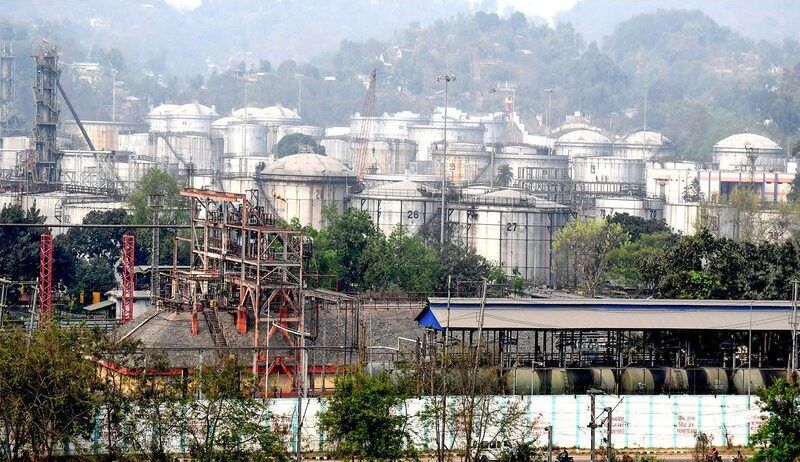

The Centre has withdrawn most emergency restrictions on natural gas supply that were imposed during the recent conflict in West Asia, following the resumption of liquefied natural gas (LNG) shipments through the Strait of Hormuz after a ceasefire between the US and Iran.The restrictions, introduced in March 2026 under the Natural Gas (Supply Regulation) framework, had enabled the authorities to prioritise allocation of domestic gas and imported LNG to essential sectors amid fears of disruption to energy supplies caused by instability in West Asia.According to official sources and a notification issued by the Ministry of Petroleum and Natural Gas, the decision to revoke the emergency provisions was taken after maritime traffic through the Strait of Hormuz returned to normal, easing concerns over supply security.The ministry noted that the regional situation had improved significantly, owing to the ceasefire, ongoing diplomatic engagements and resumption of LNG shipments from key suppliers without major disruption.The emergency framework had allowed the government to direct gas supplies to priority sectors such as fertiliser production, city gas distribution networks and refinery operations, while curtailing consumption in certain industrial segments to manage shortages during the crisis period.With the situation stabilising, the government has now restored normal supply mechanisms, signalling a return to pre-crisis allocation systems across sectors dependent on natural gas.Notably, India remains heavily reliant on imported energy. It receives a significant share of its crude oil and nearly half of its natural gas requirement from the overseas markets, with the Strait of Hormuz being a critical transit route for energy shipments from West Asia.Officials said the rollback of restrictions reflects improved regional stability and reduced risk to India’s energy security outlook in the near future.