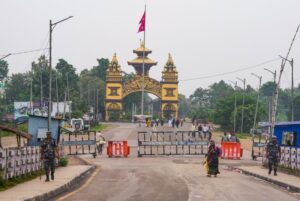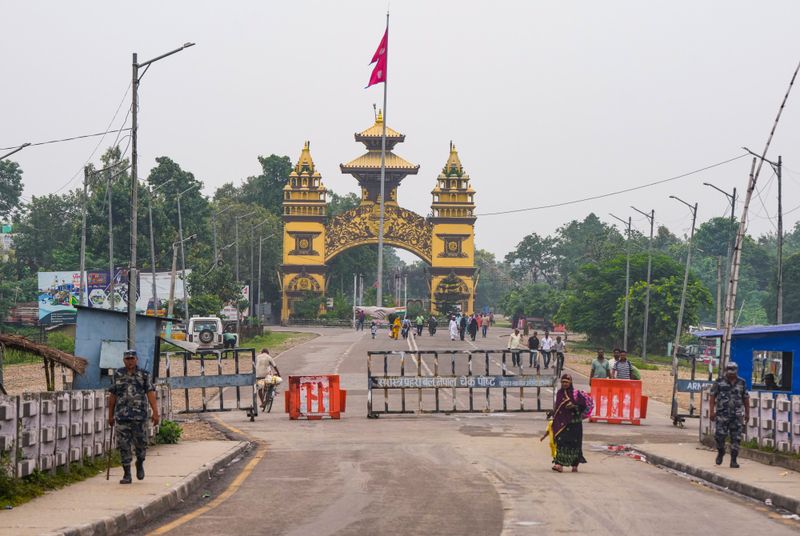

The Centre is preparing to digitise data on the movement of people travelling between India and Nepal as part of a wider plan to strengthen security along the 1,751 km border shared with the Himalayan nation.As part of this initiative, the Ministry of Home Affairs (MHA) intends to introduce a facial recognition system (FRS) at border points, digitally verifying all citizens crossing between the two countries, sources told The Tribune.Earlier this month, an FRS was installed at the Jhoolaghat border point in Uttarakhand’s Pithoragarh as a pilot project. Depending on its success, the system will be extended to five more India-Nepal border points and four along the India-Bhutan border. The installations are expected to be completed by next month, sources added.At present, data on cross-border movement is recorded manually and shared in real time during meetings between the border guarding forces of both nations. The FRS marks the first step towards digitisation, aiming to improve convenience for travellers while enhancing security, a senior official explained.“The idea is to digitise data on the movement of people along the India-Nepal border, with the aim of maximising security and minimising inconvenience,” the official said. Under the new system, all citizens travelling between India and Nepal will undergo digital verification in addition to presenting a government-issued identity card. Officials believe this will improve accuracy in tracking smugglers, criminals and other suspicious elements attempting to cross the border undetected.Digitisation will also allow authorities to monitor the duration of visitors’ stays in either country, easing surveillance efforts. At the same time, officials stressed that care will be taken to avoid misunderstandings or friction among regular cross-border travellers, with the system designed to balance security with convenience.In addition, mobile baggage scanners are expected to be introduced soon. These will allow travellers to have their luggage scanned without waiting in long queues, as scanners can be brought directly to them, sources said.