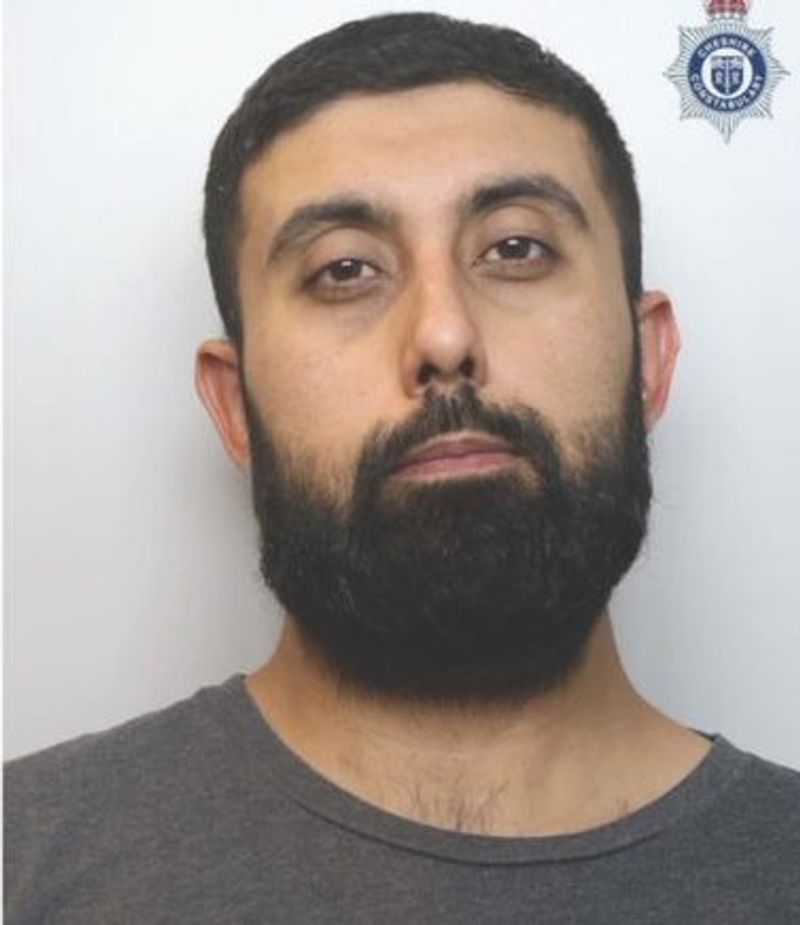

In a chilling case highlighting the dangers of online abuse, a UK court has found Asad Hussain guilty of stalking after he created a fake profile on Tinder in his former girlfriend’s name and allegedly encouraged strangers to break into her home and sexually assault her, reports BBC.The 36-year-old from Cheadle was convicted following a nine-day trial at Chester Crown Court. He will be sentenced in June. Investigators described the case as one of the most disturbing they had encountered.According to Cheshire Police, Hussain set up the fake profile in July 2024, just weeks after the couple’s relationship ended. Using the bogus account, he sent messages to multiple men, posing as the victim and describing violent “rape fantasies”. At least 18 men reportedly turned up at the woman’s home believing they had been invited.On one occasion, four men arrived in a single night after receiving nearly identical messages. In a particularly alarming incident, one man forced his way in by damaging the front door and later showed the victim explicit instructions sent from the fake account. In another instance, a stranger entered the house while the woman was away, leaving her teenage daughter alone inside.The court heard that Hussain had initially approached the victim under a false identity, “Mick Renney”, months earlier.During their relationship, he allegedly displayed controlling behaviour, including repeatedly ringing her doorbell for hours when she had visitors. The relationship ended in May 2024 after he became increasingly possessive and suspicious.Despite the breakup, Hussain allegedly continued attempts to contact and harass the woman, even reaching out to her friends and family with accusations. When these efforts failed, police said he escalated to orchestrating what an investigating officer described as “sheer horror”.Authorities were able to identify Hussain after linking the alias to a vehicle registered to his business. Further investigation revealed he had used multiple mobile phones and altered his car registration to avoid detection. Crucially, officers established that he travelled to a location near the victim’s home each time the fake account was active.Police said Hussain denied all allegations, including knowing the victim or operating the account. However, digital and circumstantial evidence proved decisive in securing his conviction.Calling him “extremely deceitful”, investigators said Hussain showed no remorse and had gone to great lengths to evade capture. The case underscores the serious risks of digital impersonation and coercive control, and raises fresh concerns about safety on online dating platforms.