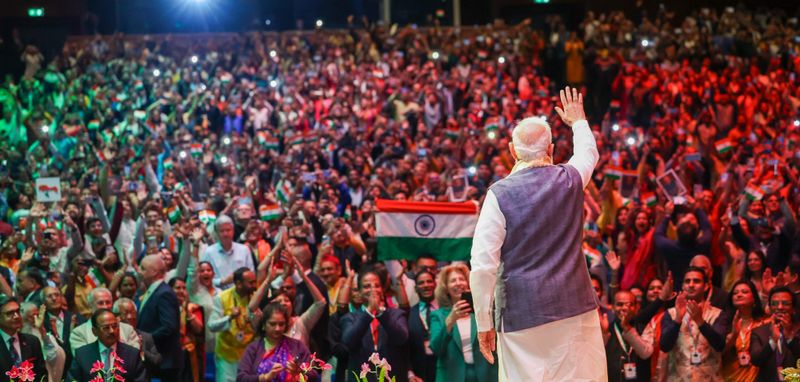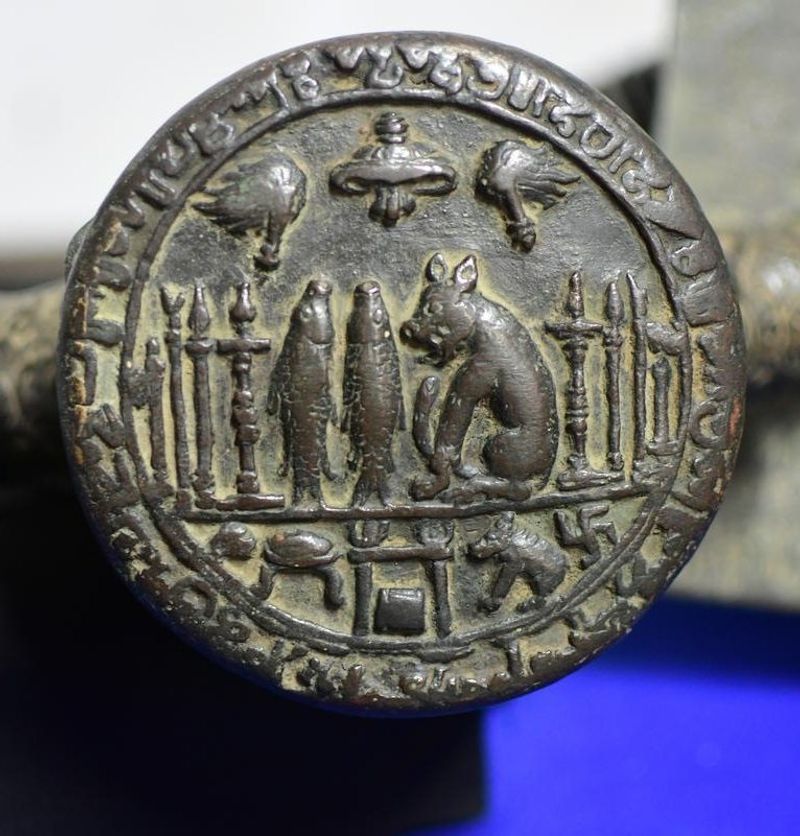

For centuries, the copper plates remained far from the land where they were once buried for safekeeping. They survived wars and dynasties, crossed oceans during the colonial era, spent more than 160 years in a European university archive, and eventually became the focus of a diplomatic effort between India and the Netherlands.On Saturday, that long journey finally began turning homeward. In a moment heavy with history and symbolism, Leiden University in the Netherlands announced its decision to return the famed Chola Plates — among the most important surviving records of the Chola Empire — to India after an official inquiry concluded that the artefacts had left the country during Dutch colonial rule without the consent of their “rightful custodians”.The announcement came during Prime Minister Narendra Modi’s visit to The Hague, where the return of the ancient inscriptions emerged as one of the most significant cultural outcomes of the India-Netherlands engagement.Known internationally as the Leiden Plates, the inscriptions date back nearly a millennium to the reigns of Rajendra Chola I and Kulottunga Chola I. Historians regard them as invaluable records of the Chola Empire at the height of its political, maritime and cultural influence.Written in Tamil and Sanskrit, the copper plates record royal grants made to the Chudamani Vihara, a Buddhist monastery in Nagapattinam, reflecting the deep links between the Chola kingdom and the Srivijaya empire in Southeast Asia.Together weighing nearly 30 kg, the plates bear royal seals and detailed inscriptions that scholars say offer rare insight into medieval South India’s administration, trade networks and religious life.But the story of the artefacts themselves is equally remarkable. According to findings accepted by Leiden University, the plates were likely unearthed between 1687 and 1700 during operations of the Dutch East India Company (VOC) in Nagapattinam, then a key colonial trading outpost under Dutch control.Investigators believe the plates had originally been buried carefully underground, possibly to protect them during a period of political upheaval and conflict.The Dutch Colonial Collections Committee later concluded that the artefacts were removed without the consent of local custodians, amounting to what it described as an “involuntary loss of possession”.The plates are believed to have reached the Netherlands in 1712 before being donated to Leiden University in 1862, where they remained preserved in the university library collection for generations.Over time, the plates became important material for historians and researchers worldwide. In India, however, they also came to symbolise the larger story of cultural artefacts displaced during colonial rule.That debate has gathered momentum globally in recent years as countries increasingly seek the repatriation of heritage objects housed in Western museums and institutions.India formally requested the return of the Chola Plates in 2023, following which Leiden University commissioned an independent provenance inquiry and sought advice from the Netherlands’ Colonial Collections Committee.Accepting the panel’s recommendation, Leiden University president Luc Sels said the institution recognised the artefacts’ immense historical importance to India. “These objects are of great historical value to India, and that is one of the reasons why they should return there,” he said.The Chola Plates will eventually be handed over to the Archaeological Survey of India (ASI), which will decide where they will be publicly exhibited.For many historians and members of the Indian diaspora in The Hague, the return represented more than the transfer of ancient artefacts. It marked the restoration of a fragment of history to the land where the plates were inscribed nearly a thousand years ago.