

THE cholesterol-lowering drugs statins could be safe to come off at 75, say top heart doctors.
A review found that the once-a-day drug, used by millions, may not be necessary for patients over 75 if they have no history of heart disease or strokes.
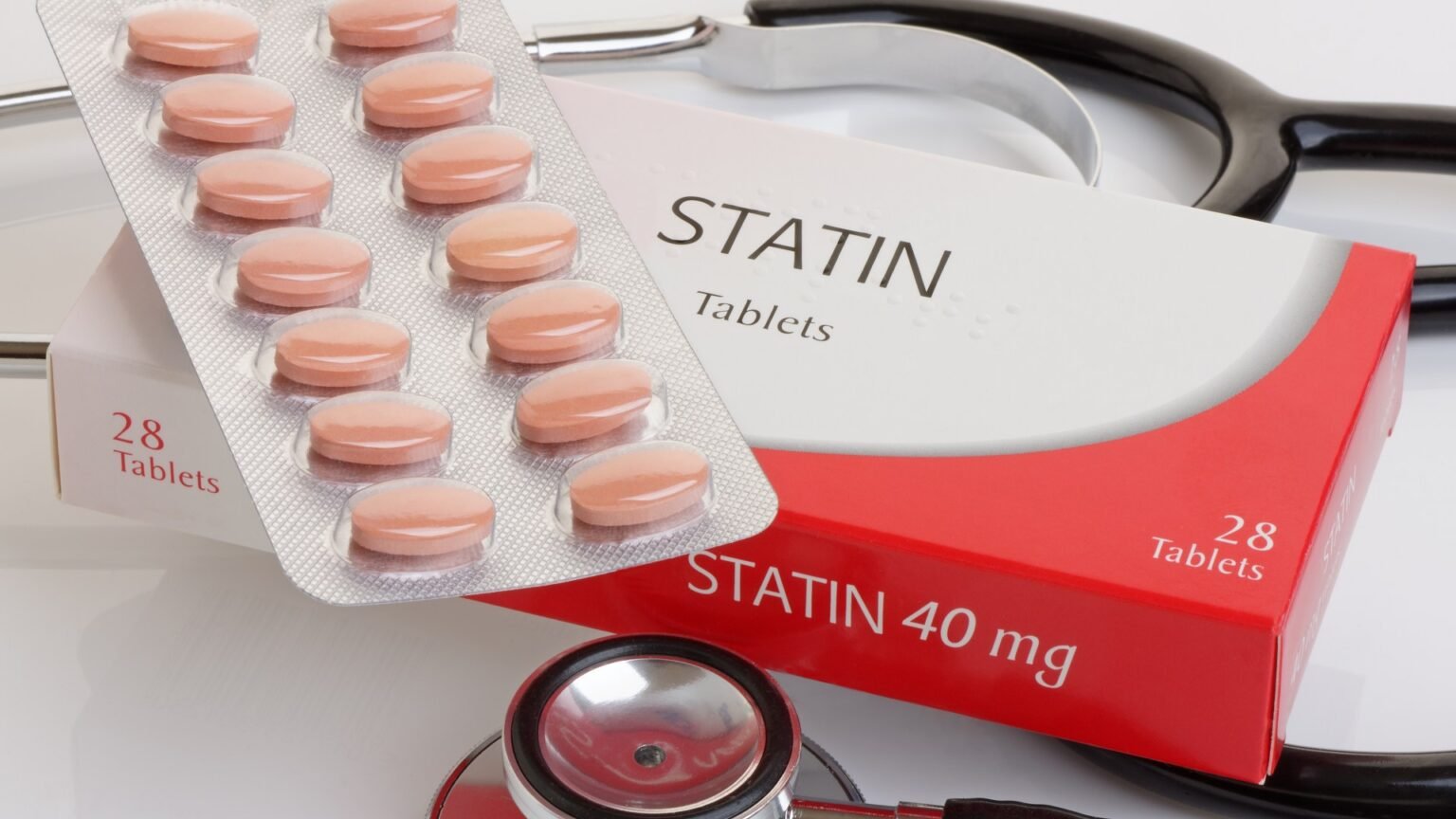
Currently, statins can be prescribed to adults at risk of, but with no history of, both heart related issues Credit: Getty – Contributor
New research has suggested that over 75s with no history of heart disease or stroke may be able to stop taking statins Credit: Getty
Currently, statins can be prescribed to adults at risk of, but with no history of, both heart related issues.
Writing in The Lancet Healthy Longevity journal, scientists in France said that for people in this category, stopping statins did not increase the risk of death over three years.
Sign up for the Health newsletter
Thank you!
In the trial, researchers tracked 1,160 adults aged 75 or older in France.
Participants were randomly assigned to either continue or stop taking their statins.
FAT FEARS
Beer bellies and wobbly tummies ‘could be a bigger heart risk than your weight’
RED FLAG
‘Hidden’ high cholesterol type striking 1 in 5 as James Buckley reveals diagnosis
After three years, 7.2 per cent of adults in the statin discontinuation group had died.
But in the continuation group, this figure was only slightly higher, at 7.9 per cent.
Scientists found that there was no significant difference in major cardiovascular events – including heart attack and stroke – between those who stopped statins and those who continued over the three years.
They observed, however, that there was an average increase of 50 per cent in “bad” cholesterol – known as LDL (low-density lipoprotein) – among adults who stopped their statins.
Meanwhile, those who continued with their statins had no difference in their LDL levels.
But, the study also found that measures of quality of life – both physical and mental – stayed the same in both groups during the three year follow-up.
What to know about statins…
Statins are medicines that help lower your cholesterol and protect your arteries. This helps lower your risk of heart and circulatory conditions, such as:
coronary heart disease
angina (chest pain and discomfort)
heart attack
stroke
Cholesterol is a fatty substance in your blood that helps to make vitamin D and some of your hormones. If you produce too much cholesterol (high cholesterol), it can block blood vessels and stop them working properly.
High cholesterol can cause cardiovascular disease, a condition that affects the heart and blood vessels. This can cause heart attacks, strokes and peripheral arterial disease.
Studies show that low-dose statins can lower your bad cholesterol (LDL) by up to 30 per cent and high-dose statins can lower it by more than 40 per cent.
Who may be offered statins:
you’re at higher risk of getting cardiovascular disease and healthy lifestyle changes have not helped or are unlikely to help on their own
you already have cardiovascular disease (to reduce the risk of having a heart attack or stroke)
Taking statins at the same time as other medicines, herbal remedies, or some types of food or drink can stop the medicines working properly or increase the risk of side effects.
For example, it can cause problems if you take statins with things such as:
medicines for high blood pressure or blood vessels, such as amlodipine, verapamil or diltiazem
antifungal medicines such as fluconazole
certain antibiotics, such as clarithromycin and erythromycin
HIV medicines
warfarin or another medicine to help prevent blood clots
ciclosporin – a medicine used to treat conditions such as psoriasis and rheumatoid arthritis
colchicine – a medicine used to treat gout
fusidic acid – a medicine used to treat skin infections
herbal remedies such as St John’s wort
grapefruit or grapefruit juice, as it can increase side effects
Source: NHS and the British Heart Foundation
The authors said that benefits of statins increase over time in younger adults so it remains unknown whether stopping the medication could increase the risk of cardiovascular disease and death after the three-year follow-up period in older people.
They also cautioned that the study does not mean older patients with no history of heart disease or stroke should systematically stop taking their statins.
This decision should not be made without speaking to your doctor first.
Further trials are now needed to confirm these findings and assess the long term effect of stopping statins in older adults, researchers said.
Reacting to the study, Robert Storey, professor of cardiology at the University of Sheffield, said: “Although the study found no significant effect of stopping a statin on mortality risk… it should not be used to inform decision-making in the majority of people treated with a statin in this age group.
“Studies looking at any benefits of cholesterol treatment on life expectancy need to include many thousands of people.”
Professor Storey added that “statins tend to have more impact on the risk of heart attack than the risk of dying overall”.