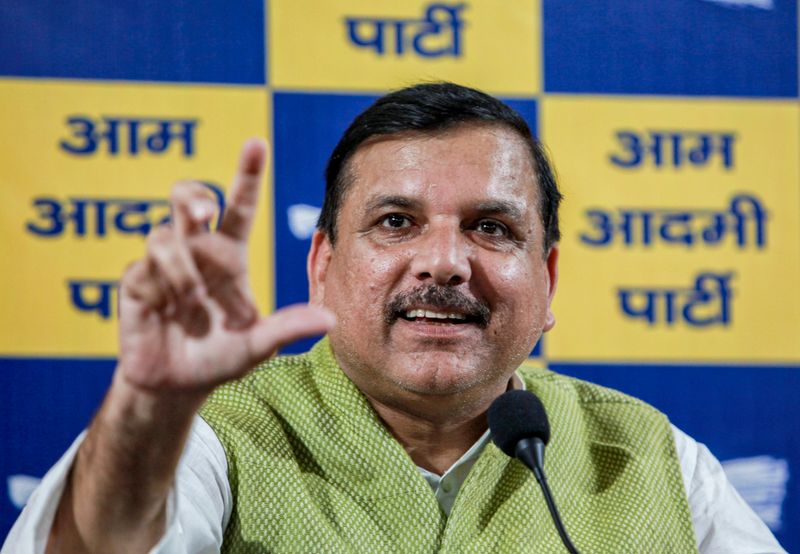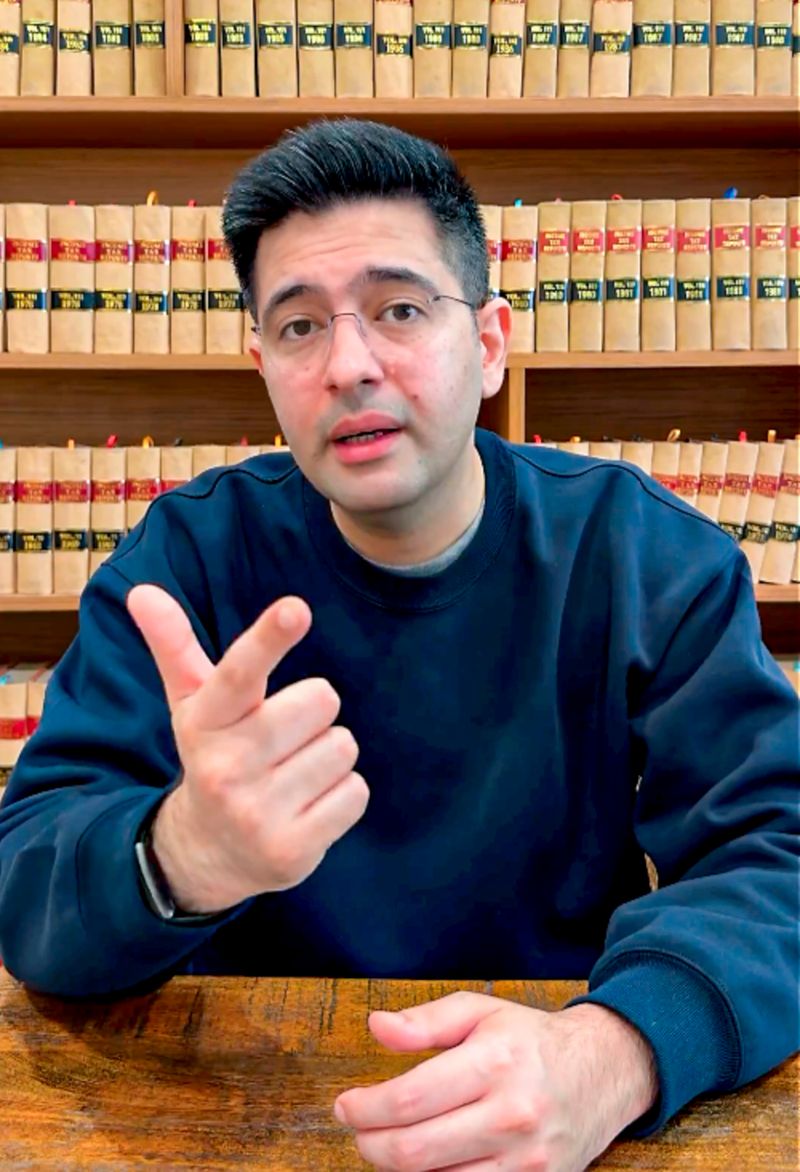

The Delhi High Court on Thursday reserved its order on former AAP leader and now BJP member Raghav Chadha’s plea seeking removal of allegedly defamatory social media posts, while orally observing that the disputed content prima facie appeared to be criticism of his decision to join the BJP and not a case involving violation of personality rights.Hearing the matter, Justice Subramonium Prasad said the line between criticism and defamation was “quite thin” and indicated that the present dispute may not warrant grant of interim injunction at this stage.At the outset, the court told senior advocate Rajiv Nayar, appearing for Chadha, that prima facie no personality rights issue arose in the case. The Bench observed that unlike earlier matters where courts protected commercial or unauthorised exploitation of a public figure’s identity, the present case related to criticism of a political decision taken in the public domain.Personality rights broadly refer to an individual’s right to protect distinctive personal attributes such as name, image, likeness, voice, signature, mannerisms and other aspects of identity from unauthorised commercial exploitation or misuse. Indian courts have increasingly recognised such rights in favour of celebrities, politicians, sportspersons, spiritual figures and content creators whose public identity carries commercial value.During the hearing on Thursday, the court remarked that the impugned content appeared to be comments on Chadha’s political shift to the BJP and not misuse of his persona for commercial gain. Referring to the photographs objected to by the Chadha, the Bench orally observed that the posts appeared to be “an attack or critique”.Nayar argued that allegations suggesting Chadha had “sold himself for money” crossed the line from criticism into defamation. He clarified that Chadha was presently pressing only for interim relief against allegedly defamatory posts.The court, however, observed that whether the posts amounted to defamation would require detailed examination during the proceedings. Justice Prasad further noted that there was a distinction between commercialisation of personality rights and criticism directed at a politician over public actions and political choices.The Bench also referred to previous personality rights rulings, including the order passed in favour of Congress leader Shashi Tharoor, where the court had restrained unauthorised use of his name, image, voice and distinctive conversational style through AI-generated content and merchandise.In recent years, the Delhi High Court has passed similar orders protecting personality rights of several public figures, including Andhra Pradesh Deputy Chief Minister Pawan Kalyan, entrepreneur Aman Gupta, actors Allu Arjun, Mohanlal, Aishwarya Rai Bachchan, Abhishek Bachchan, Kajol Devgan, R Madhavan, Salman Khan and Nagarjuna.The court has also protected rights of former cricketer Jattvibeil Gavaskar, singer Jubin Nautiyal, spiritual leader Sri Sri Ravi Shankar, preacher Aniruddhacharya, filmmaker Karan Johar, journalist Sudhir Chaudhary and podcaster Raj Shamani against alleged misuse of their identity and AI-generated content online.