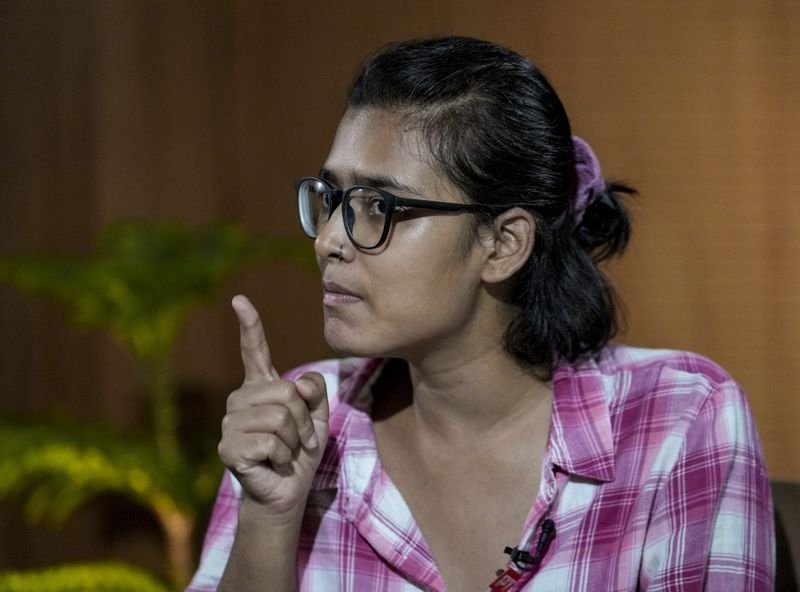

The Delhi High Court on Friday dismissed a plea filed by All India Students Association (AISA) national president Neha Bora challenging a notice requiring her to execute a personal bond of Rs 10,000, along with one surety, to maintain peace during an inquiry arising from her detention during an anti-Chief Election Commissioner protest on October 16.Justice Subramonium Prasad, while pronouncing the order, said there were “adequate safeguards” in place and directed the Special Executive Magistrate “to take care” to ensure that all relevant materials were provided to Bora before passing any order in the inquiry.Bora had challenged an October 17 notice issued by the Special Executive Magistrate under Sections 126 and 130 of the Bharatiya Nagarik Suraksha Sanhita (BNSS), read with Section 135(3). The notice followed her detention at Mandi House during a protest.The case arose from a protest call issued by Bora for a gathering at Mandi House at 5 pm on October 16 to unfurl the national flag at Central Park in Connaught Place as part of protests against the Chief Election Commissioner. She alleged that she was detained at around 5.30 pm, taken to an undisclosed location and subsequently to R K Puram police station, where she was held overnight and released at 6 am on October 17.The notice, which she received on October 18, cited alleged sloganeering at Mandi House, repeated protests around Jantar Mantar despite prohibitory orders under Section 163 of the BNSS, and allegations that she had instigated people to participate in a protest at Connaught Place on October 16.Her petition argued that the notice did not disclose any material indicating a likelihood of a breach of peace, which she contended was necessary to initiate preventive proceedings under Section 126. She sought the quashing of the notice and the proceedings arising from it, as well as a direction restraining the authorities from taking coercive action against her.Senior advocate Gopal Sankaranarayanan, appearing for Bora, submitted that the October 16 protest was peaceful and that she had never called for violence. He also argued that there was nothing wrong with seeking regime change in a democracy.Sankaranarayanan contended that the notice had been issued mechanically. He further argued that even when seeking an interim bond, a preliminary inquiry was essential before the authorities could call upon her to respond to the requirement.Additional Solicitor General Chetan Sharma opposed the plea, submitting that Section 126 allowed a wide degree of subjective satisfaction, which need not necessarily be supported by evidence or established facts but should be based on the information received.While dismissing Bora’s plea, the court emphasised the safeguards available under the process and reiterated that the Special Executive Magistrate must provide her with the relevant material before proceeding with the inquiry.