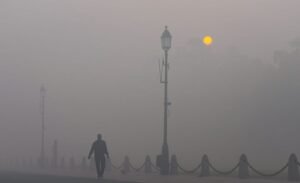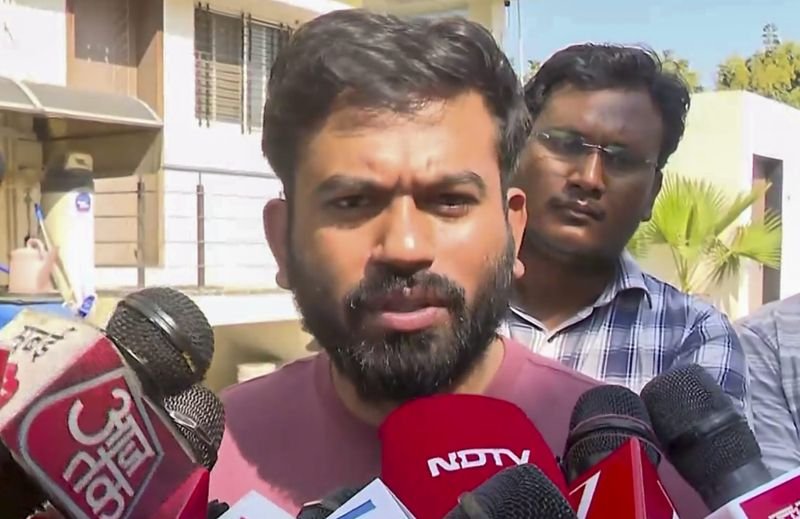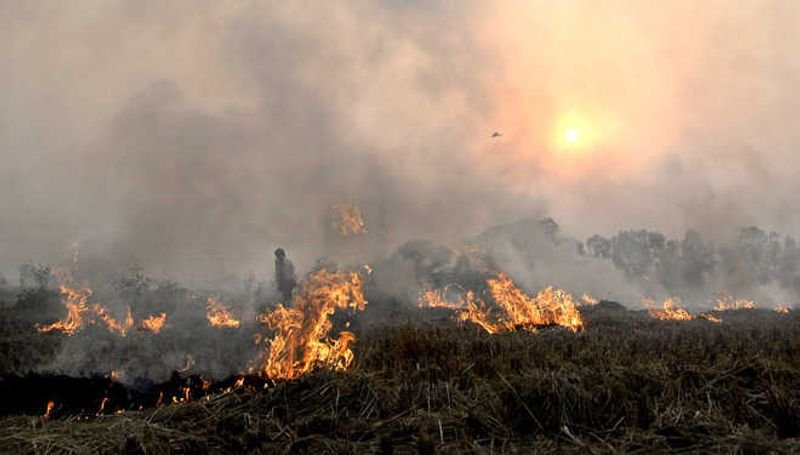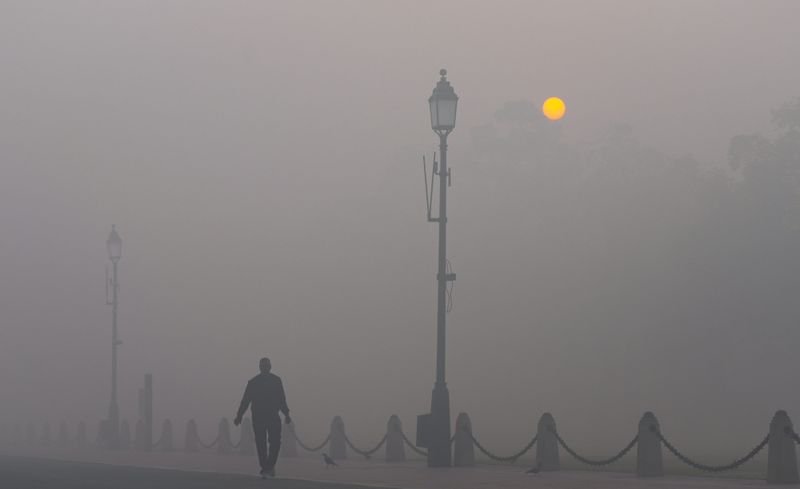

Delhi’s air quality slipped to the ‘very poor’ category on the day after Diwali, with the Central Pollution Control Board (CPCB) recording an overall Air Quality Index (AQI) of 370, while some private air-quality monitoring platforms reported readings as high as 1,500.The discrepancy came even as 20 of the city’s 59 monitoring stations recorded ‘severe’ air quality on Diwali night, according to CPCB data.On Monday, the five most polluted monitoring stations were DTU (438), Burari Crossing (426), Mundka (421), Bawana (414) and Vivek Vihar (413). PM2.5 was the dominant pollutant at 47 of the 59 monitoring stations, indicating the significant contribution of fine particulate matter to pollution levels.Explaining the difference, Dr Gufran Beig of the National Institute of Advanced Studies (NIAS) said private agencies often relied on low-cost sensors that were vulnerable to weather conditions and could report unusually high readings.“Many private agencies don’t cap the reading of AQI at 500. CPCB caps its reading at 500 AQI which is equivalent to 450 micrograms per cubic meter. The concept of AQI only comes when we have a 24 hour average of the PM 2.5 concentration.“The PM 2.5 concentration needs to be collected for 24 hours at any station and then a daily average value is taken out to convert it into AQI. But CPCB calculates AQI at each hour and caps it at 450 micrograms per cubic meter. This means that even when concentrations exceed 450 micrograms per cubic meter, the AQI cannot go higher,” Beig said.The CPCB calculates the AQI based on eight pollutants — PM10, PM2.5, ozone (O3), sulphur dioxide (SO2), nitrogen dioxide (NO2), carbon monoxide (CO), lead (Pb) and ammonia (NH3). Its scale classifies air quality into six categories: good (0-50), satisfactory (51-100), moderate (101-200), poor (201-300), very poor (301-400) and severe (401-500).Private platform IQAir, however, follows a different classification system. It categorises AQI readings of 0-50 as good, 51-100 as moderate, 101-150 as unhealthy for sensitive groups, 151-200 as unhealthy, 201-300 as very unhealthy and readings above 301 as hazardous.Meanwhile, Stage III of the Graded Response Action Plan (GRAP) has been in force across Delhi-NCR since November 6, when the city’s AQI was recorded at 382 in the ‘very poor’ category. The decision followed forecasts indicating a further deterioration in air quality.