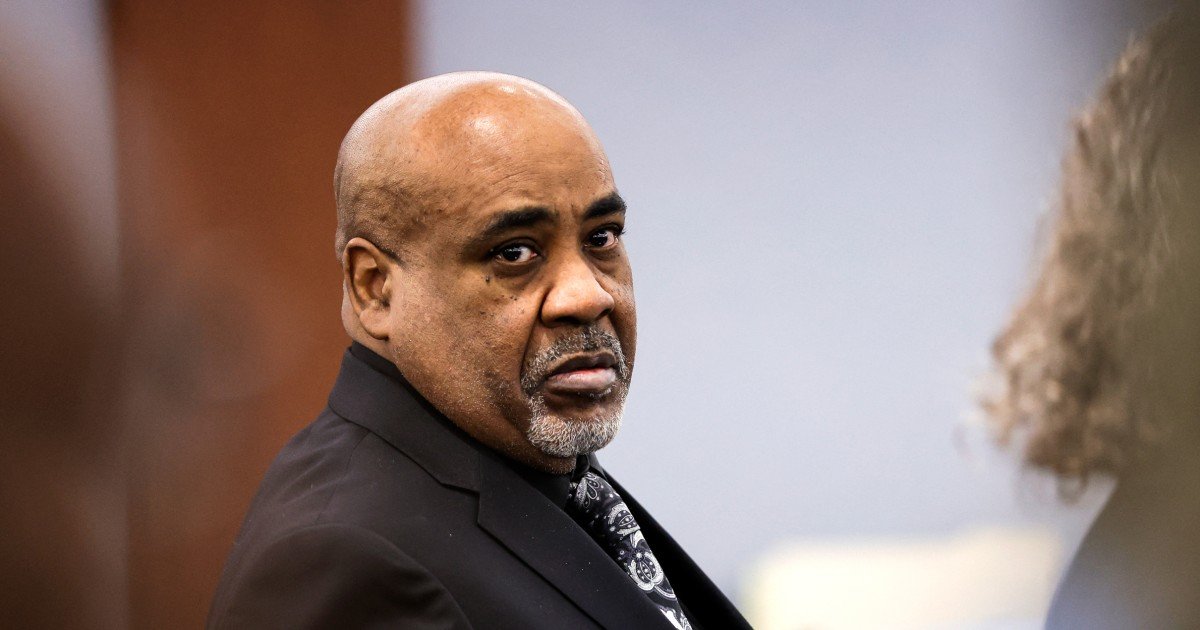

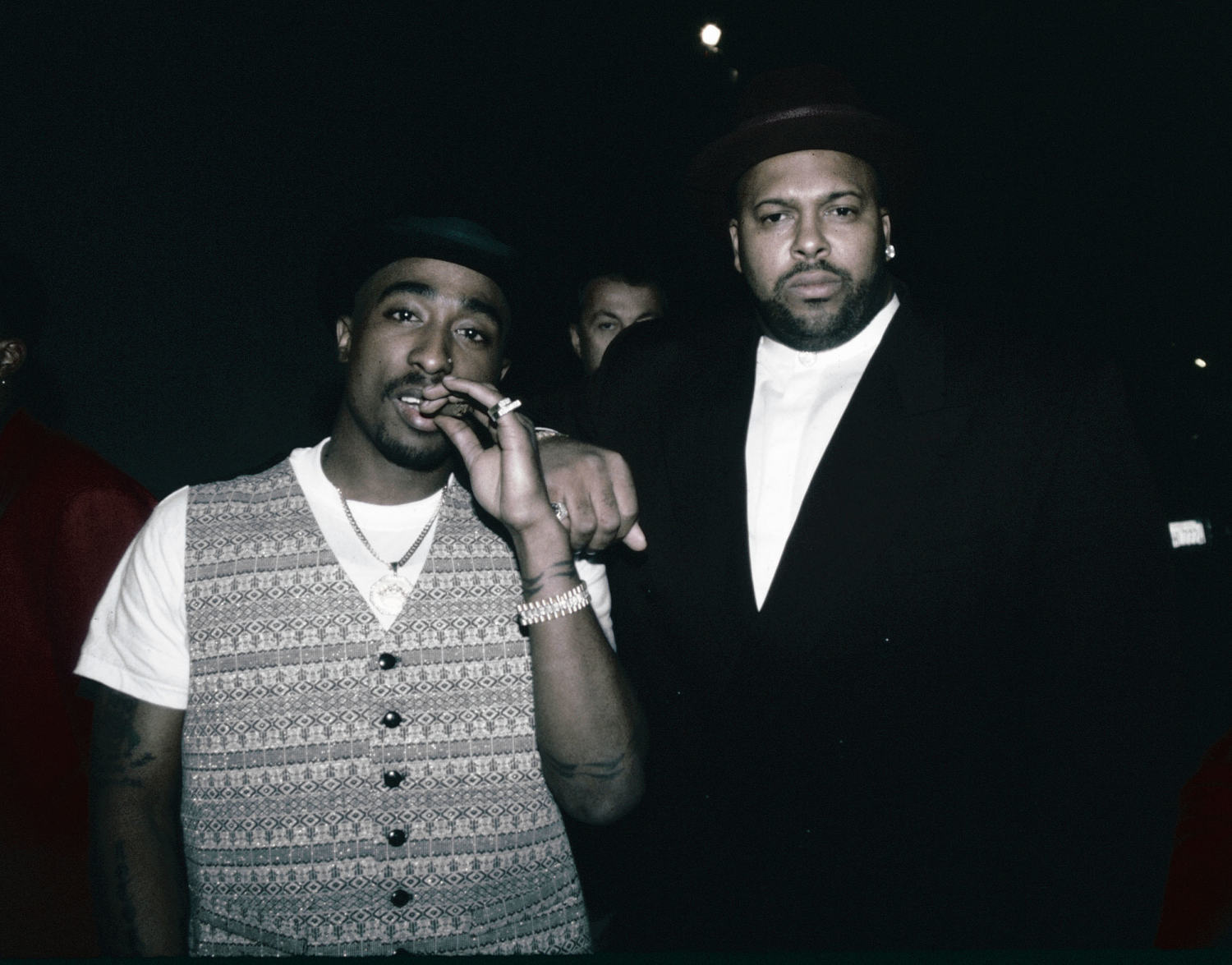
The man accused of orchestrating rapper Tupac Shakur’s killing has been found guilty of first-degree murder with use of a deadly weapon in the 1996 Las Vegas slaying.For nearly two weeks, Clark County prosecutors argued that Duane “Keffe D” Davis, 63, is a former “shotcaller” for the South Side Compton Crips in Los Angeles and that he sought revenge on Shakur after the beloved rapper attacked his nephew.Following Monday’s verdict, state District Judge Carli Kierny ordered Davis to remain in jail until his Oct. 13 sentencing. Davis indicated he intends to file an appeal.Davis’ son sat in the courtroom and covered his face with one hand after the verdict was read, The Associated Press reported. Sekyiwa “Set” Shakur, Tupac’s sister, cried and reached back to a person behind her. Davis was not charged with pulling the trigger, but under Nevada law, someone who helps another person commit murder can be convicted of the crime. Davis is the only person still alive who rode in the same car as the shooter, prosecutors said.The trial answered, in part, a decadeslong mystery that for years has entranced hip-hop fans, true crime experts and conspiracy theorists alike. Shakur, who was 25 when he died, was revered as one of the most influential rappers of all time and continues to bring in new generations of listeners.Chief Deputy District Attorney Binu Palal said in his closing statement that Davis “went hunting” for Shakur and Death Row Records co-founder Marion “Suge” Knight after they were spotted at the MGM Grand Hotel in Las Vegas beating up Orlando “Baby Lane” Anderson, also known as the “prince” of Compton in California because of his relationship to Davis.Jurors watched grainy VHS security video and heard multiple former law enforcement officers testify about the infamous fight that broke out a few hours before Shakur and Knight were wounded in a drive-by shooting.Knight survived his injuries, but Shakur died six days later.In 2008, Davis entered into an agreement with federal investigators who were looking into the death of Marion Wallace, the rapper known as Notorious B.I.G. Davis believed the deal, called a proffer, gave him immunity, but he was not shielded from future prosecution if he confessed to being involved in Shakur’s murder. Because of the proffer, Davis described details of Shakur’s killing that only a witness could provide, Bilal said. They included the positions of who was seated inside the car used in the drive-by shooting and previous gang fights that culminated in Shakur’s death.Davis’ 2019 memoir, “Compton Street Legend,” was the final piece of evidence needed to convict him, Bilal said. In the book, Davis writes that he played a role in Shakur’s murder, and its publication prompted a renewed investigation into the 1996 killing. “For nearly 18 years, Duane Davis has told the police, television, books, YouTube interviewers, anybody that will listen,” he said in his closing statement. “He has told you he is responsible for the murder of Tupac Shakur. Tell him you hear him. Find him guilty.”Jurors heard nearly two weeks of testimony from dozens of former investigators and law enforcement officers involved in solving the 30-year mystery. Shakur’s killing triggered a decadeslong investigation that would take Las Vegas investigators from the Strip to Compton, near Los Angeles, where rival gangs were embroiled in a violent war that erupted immediately after Shakur was shot. Tupac Shakur in 1996.Steve.Granitz / WireImage fileUncooperative witnesses and conflicting statements made it difficult for police to draw a straight line from Las Vegas, where the shooting occurred, to Compton, where everyone associated with the shooting lived, officials testified.Las Vegas detectives traveled to Southern California a dozen times and were continually stymied by unreliable informants and a culture of silence, former law enforcement officers testified. “I think it made the case more difficult, and I think the 30 years made the case more difficult, as well,” defense attorney Michael Sanft told reporters last week.Sanft argued that Davis fabricated or embellished his accounts of the killing for money and notoriety and that investigators failed to independently corroborate his claims.Speaking to reporters after he rested his case, Sanft said the jurors would need to ask themselves, “Just because someone says something, is that enough?”“That is the question of the day,” he added.During his closing, Sanft repeatedly pointed to a lack of physical evidence that could place his client at the crime scene. Detectives never found records — including receipts, phone logs or photos — that proved Davis was in Las Vegas at the same time as Shakur or that he provided the gun used to kill him.Even retired Las Vegas homicide detective Dan Long, the defense’s final witness, testified that he tried unsuccessfully to verify several details Davis provided during a 2009 police interview, Sanft argued. “When you think about Mr. Davis’ statements, they all conflict,” Sanft said in his closing statement. “They conflict with the book, and they conflict with the past. And the only thing that we have is that we can agree on is that Tupac Shakur was shot and killed on Sept. 7, 1996, in Las Vegas, Nevada.”Tupac Shakur and Marion “Suge” Knight circa 1996.Nitro / Getty Images