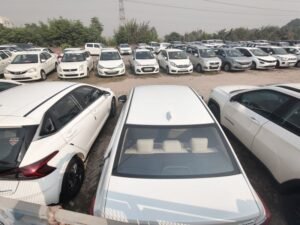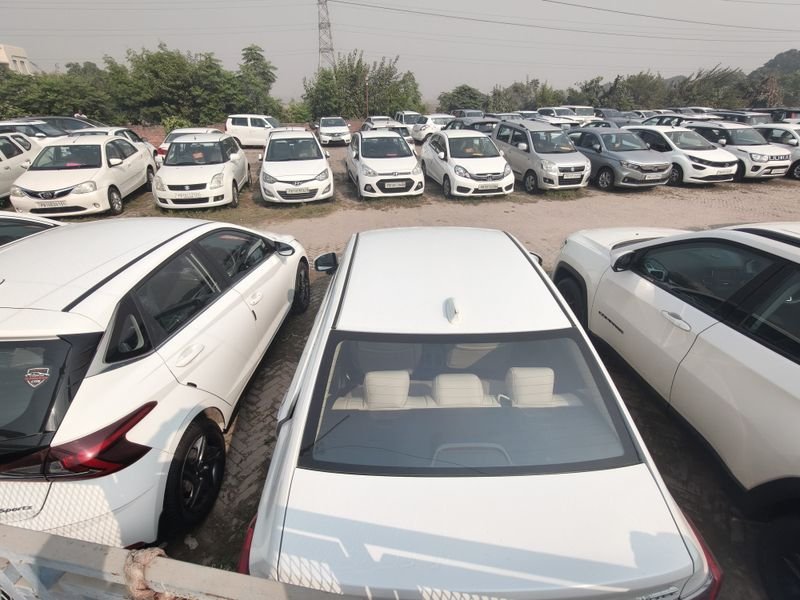

The nationwide mandatory rollout of E20 petrol has taken a toll on Punjab’s used-car market, with dealers reporting a sharp decline in demand for petrol-powered vehicles. Buyers are increasingly turning towards diesel, CNG and electric alternatives.The Karnataka government recently flagged concerns over alleged blending beyond the prescribed limit, besides lapses in fuel quality and dispensing checks. It has appealed to the Centre to review the implementation of the 20 per cent ethanol-blended petrol programme. In August, the Punjab Vidhan Sabha also passed a resolution urging the Centre to suspend the compulsory nationwide implementation of E20 petrol for vehicles not originally designed or certified to run on the higher ethanol blend until concerns relating to vehicle compatibility, consumer protection, scientific evaluation and state-specific impacts are addressed.Automobile trade sector concernsPunjab’s used-car market, estimated to be worth more than Rs 1,000 crore, supports a sizeable network of dealers and provides employment to thousands of people engaged in vehicle trading and allied activities.Dealers say uncertainty over the impact of E20 on mileage, engine performance and the durability of vehicle components has made prospective buyers wary of second-hand petrol vehicles. This has led to unsold inventories, particularly in the mid and premium petrol-car segments.Amarjit Singh Birdi, who runs Peter Car Bazar, a group of car dealers in Ludhiana, said the shift in sentiment had affected sales significantly. “This year has witnessed a major drop. Customers did not show much interest even during Navratri and Diwali. Many are not even willing to open the bonnet of a petrol vehicle. However, diesel vehicles, particularly SUVs and MUVs suitable for taxi services, are finding buyers in South India.”Birdi narrated how a newly sold vehicle developed a snag shortly after refuelling, prompting the owner to lodge a complaint. The dealer, however, maintained that the vehicle had undergone mandatory quality checks.Ravinder Sharma, another used-car dealer, said the E20 rollout had led to renewed interest in diesel vehicles. “At one point, eight out of every 10 used cars sold were petrol-powered. Now, people are once again showing interest in diesel vehicles. The problem is that there are not enough diesel vehicles available,” he said, adding that some buyers are also exploring CNG, electric and hybrid vehicles.Manoj Makkar, a second-generation used-car dealer, however, said after the initial slump, people have again started buying petrol vehicles because there are not many options. Subhash Chander, a used-car dealer from Patiala, said the shift in demand varied across vehicle segments. While buyers in the premium segment were increasingly considering electric vehicles, petrol cars continued to find buyers in the small-car category.Not limited to carsMotorcycle enthusiasts have also raised questions about the compatibility of E20 with older two-wheelers, particularly carburetted models that were not originally designed for higher ethanol blends.Sukhkaran Gill, a motorcycle enthusiast, said ethanol could affect certain rubber and plastic components in older fuel systems, including fuel hoses, seals, O-rings and carburettor gaskets. Depending on the material used, these components could deteriorate, swell or lose flexibility over time.He pointed out that ethanol had a lower energy content than petrol, potentially affecting fuel economy. While newer fuel-injected motorcycles could adjust fuel delivery within the limits of their systems, older carburetted models had less flexibility.A car mechanic in Patiala, Bunty Kumar, claimed that he had noticed corrosion-related problems in older vehicles, including rusting of the exhaust system and deterioration of rubber parts.Centre firm on standThe Union government maintains that studies have not established any significant adverse impact on overall vehicle performance. In a reply in the Rajya Sabha in August, Union Minister of Road Transport and Highways Nitin Gadkari said BS-III vehicles manufactured between 2005 and 2016 might require replacement of certain rubber components and gaskets.He cited studies that BS-VI vehicles continued to meet emission norms when tested with E20 fuel. According to Gadkari, even legacy vehicles did not show significant variations in performance or abnormal wear and tear during the evaluations.However, dealers argue that varying statements about the impact of E20, coupled with the absence of clear model-specific guidance for older vehicles, have left consumers confused. The government, they say, should categorise fuel nozzles and let people decide about the choice of fuel.