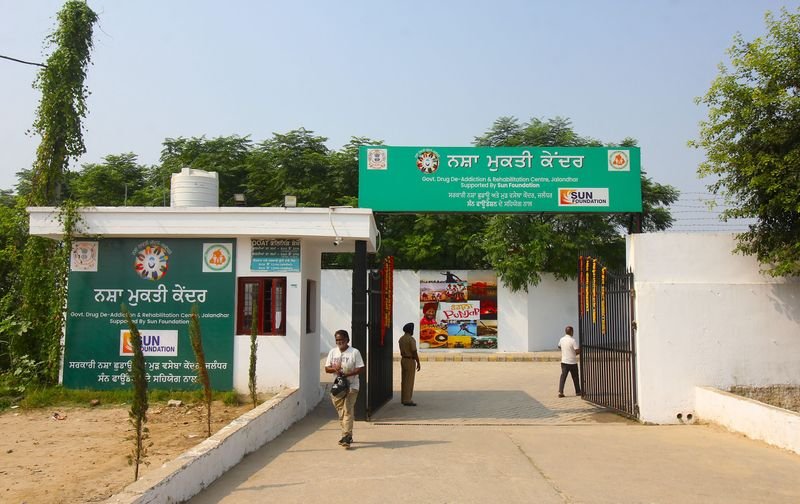

A report tabled in the just-concluded Punjab Vidhan Sabha session, which revealed that more than 56 crore de-addiction pills have been dispensed in the past four-and-a-half years of the AAP government, has triggered a debate on the anti-drug and rehabilitation strategies.While Opposition leaders say Buprenorphine dependence indicates a deeper addiction crisis, the ruling party has patted itself on the back for reducing opioid dependence through a “harm reduction-oriented approach”.The report, prepared by an all-party MLAs’ committee headed by AAP’s Jagroop Singh Gill, has highlighted an eight-fold surge in the supply of Buprenorphine tablets to Punjab’s jails, alongside a sharp expansion in drug de-addiction treatment through these tablets. It says the state government has dispensed 56.48 crore Buprenorphine tablets — used in opioid substitution therapy to help addicts overcome dependence — since 2022.Figuring out the therapyThe panel has urged the government to devise a mechanism to ensure patients are eventually freed from all forms of addiction, rather than becoming dependent on substitution medication.Nearly 8.87 crore Buprenorphine tablets have been given to jail inmates till June this year, against 1.17 crore tablets in 2022. Since 2022, 40,830 prison inmates have been registered for drug de-addiction treatment.The Punjab Health Systems Corporation purchased 7 crore Buprenorphine tablets in 2022, 9.44 crore in 2023, 10 crore in 2024, 11 crore in 2025 and another 6 crore till date this year, taking the total to 43.44 crore tablets.As many as 45.42 crore (2 mg) tablets were dispensed to 3.17 lakh addicts registered at the Outpatient Opioid Assisted Treatment (OOAT) clinics; 11.06 crore (0.4 mg) tablets were also dispensed between 2022 and June this year.These figures raise a larger question on whether the steep increase in Buprenorphine use represents greater access to treatment or an entrenched dependence on substitution therapy.Expansion of facilitiesWhile experts are divided on the fundamentals of OOAT clinics, Punjab Health Minister Dr Balbir Singh attributed the dramatic increase in the dispensing of the drug to the expansion of treatment facilities. Those addicted to injectable opioids and prescription drugs are gradually shifting to Buprenorphine-based therapy, which helps reduce dependence on more harmful opioids, he said.Dr Balbir said the approach had also helped the state tackle infections associated with injectable drug use, including HIV and hepatitis. “While the unregistered treatment centres are being shut down, we have opened several new centres, including in jails, where nearly 40 per cent of the inmates are addicted to one or the other drug,” he said, adding that they were getting enormous help from the police in tackling the drug supply chain.The government is also opening Methadone Maintenance Therapy clinics, where strict daily dispensing of the substitute is given under medical supervision. This is specifically to target patients with a long-term opioid dependence. “This will not just help in stopping the black market leakage by diverting the drugs to other addicts, but also prevents injectable drug abuse,” said the Minister, adding that anyone in the OOAT clinics found diverting Buprenorphine tablets for sale will no longer get free treatment.Audit of treatment centres“The initial findings suggest that the de-addiction treatment of 20,000 patients has been completed, and the relapse rate has dropped from 80 per cent to 20 per cent,” the Minister said. To break the “monopoly” in the de-addiction sector, no single entity would be given a licence to operate more than five treatment centres.The expansion of the treatment infrastructure has coincided with a significant increase in the number of people seeking help. The number of patients visiting government-run OOAT clinics has risen from nearly 2 lakh in 2022 to 3.17 lakh currently. Around 65 per cent of these patients are in the 18-35 age group.The government has also expanded the capacity of its free institutional treatment centres to 5,000 beds following the launch of the ‘Yudh Nashian Virudh’ campaign. The number of patients requiring admission has risen from around 600 earlier to nearly 3,400 now.The committee has also raised concerns over the mushrooming of illegal de-addiction centres and recommended a probe.