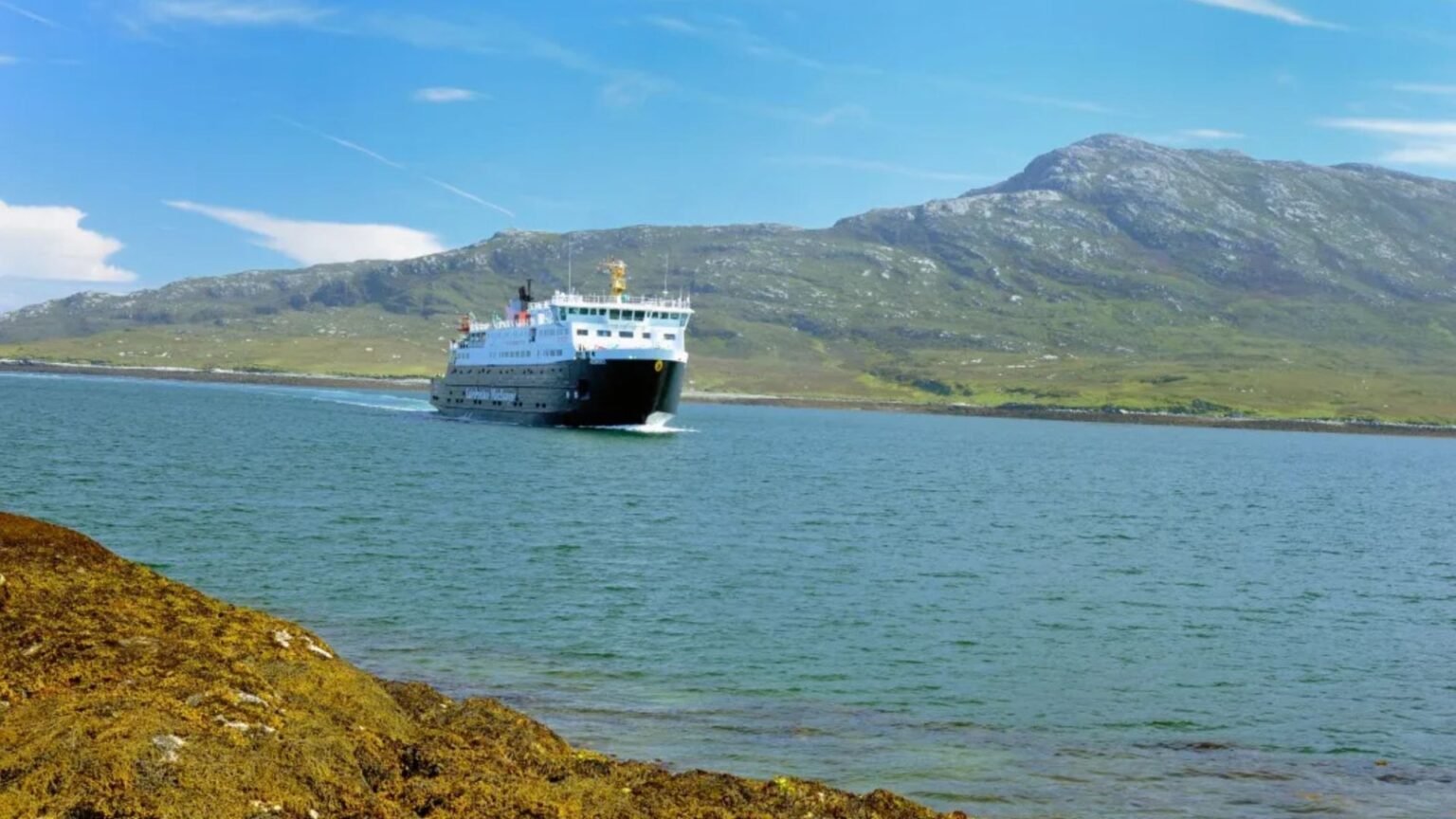


THE world’s fastest ferry could come to the UK in just four years – and it’s set to link two major seaside hotspots.
Plans reveal the speedy vessels could cut journey times by more than two hours.
Sign up for the Travel newsletter
Thank you!
The ferry would link Swansea with North Devon Credit: Alamy
The OceanJet Line consultation report, funded by Swansea Council, outlines a proposal to bring new hydrogen-electric ferries departing from Swansea to North Devon.
The project, brought forward by the council and Ocean Prime Industries, comes following demand “for a zero emission ferry service” connecting Swansea to major destinations.
The rapid new vessels aim to reach a top speed of 60 knots (around 70mph), reducing the three hour journey time by car to a one hour crossing.
In comparison, the fastest ferry ever to enter service – HSC Francisco in 2013 – has only hit speeds of 58.1 knots (67mph).
HOL YEAH
Best holiday bargains for Xmas to beat price hikes – from winter sun to Santa trip
WAT-ER RUSH
The UK’s best leisure centres that are more like waterparks
Following a public consultation in 2024 by the council, more than 97.8 per cent of 4,396 respondents expressed support towards the idea.
Now, Ocean Prime Industries said it aimed to build a small working prototype this year, with the first vessel in service by 2030 if approved.
Robe Stewart, leader of Swansea council, said: “What stands outmost clearly from the findings is the level of enthusiasm for a transport option that could significantly reduce journey times by up to half or better while avoiding congestion on major road routes such as the M4 and M5.
“People also recognise the importance of developing cleaner forms of transport that support our environmental ambitions and help tackle climate change.”
The proposed eight vessel fleet aims to carry 350 passengers and 24-32 cars per ferry, with tickets provisionally priced at £15.
With a target of 20 sailings a day, the ferry could become an important economic and tourist hub for the city.
However, the proposal has faced criticism since its introduction four years ago, with some dismissing the idea as a “fantasy”.
Others questioned the figures behind the report, including whether the number of daily crossings and vessels would be viable.