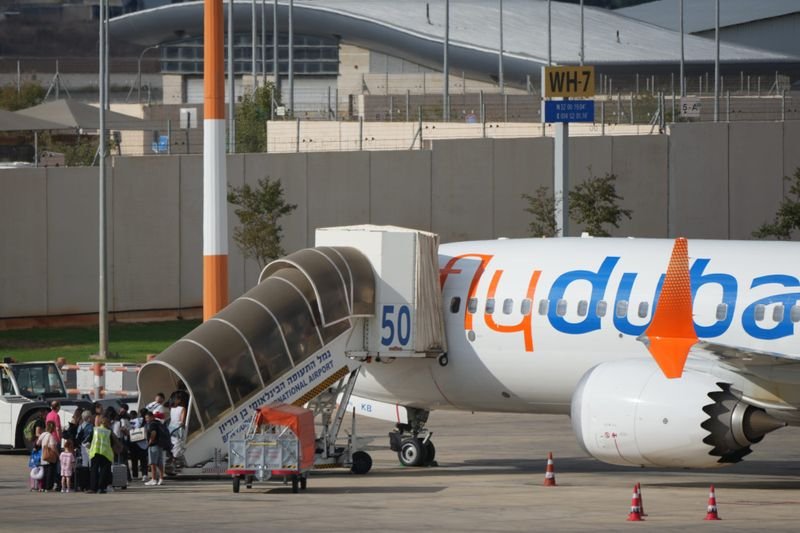

Questions over how an Omani pilot with a reported history of concerns over extremist views reached the cockpit of a Tel Aviv-bound Flydubai flight are now becoming central to the investigation into the attack on Indian Captain Smit Machchhar.The co-pilot, identified as Hamam al-Hammami, had reportedly faced restrictions on flying in Oman and was removed from a training role at Oman Air last year after concerns were raised about his alleged extremist views, according to reports citing sources familiar with his earlier employment. He was subsequently given another role at the airline before moving on to other carriers and eventually joining Flydubai.The emerging details have shifted attention from the dramatic cockpit struggle aboard Flight FZ1073 to the chain of recruitment, background checks and security clearances that preceded it.US media, citing a regional diplomatic source, reported that al-Hammami was removed from a training position at Oman Air last year over concerns about his views but was later assigned another role. It was also reported that he had been barred from flying in Oman over concerns about alleged extremist views.The reports have raised a crucial question for investigators: what information about the co-pilot’s earlier record was available when he was recruited by Flydubai?As per reports, an Israeli official said that several agencies, including Shin Bet, Mossad, the military and the Transportation Ministry, were examining how al-Hammami came to be part of the crew operating a flight to Tel Aviv. Oman does not recognise Israel and has no diplomatic relations with the country.Hamam al-Hammami’s aviation career is also being pieced together. He had worked for Flydubai for only about eight months and had previously worked for Royal Air Maroc. A LinkedIn profile indicated that he had spent about seven years at Oman Air before leaving in February 2025, subsequently joining Royal Air Maroc and later Flydubai.His movements outside Oman are another part of the probe. The UAE has formally widened the inquiry to examine whether the incident had any connection with terrorist activity or intent and whether it involved prior planning or direction. The UAE Public Prosecution has formed a specialised team to investigate the circumstances and motives behind the incident.Hamam al-Hammami was subsequently transferred from Saudi Arabia to the UAE, where he is facing a terrorism investigation. Saudi authorities had initially dealt with the case after the aircraft made its emergency landing at Tabuk.At the centre of the investigation remains what happened in the cockpit of Flight FZ1073 on September 30.The Dubai-Tel Aviv Boeing 737 suffered two sudden descents, losing more than 16,000 feet in a matter of seconds, after al-Hammami allegedly attacked Machchhar.Despite sustaining serious injuries, Machchhar managed to open the cockpit door, allowing crew members and passengers to enter and restrain the co-pilot. Two off-duty pilots travelling as passengers subsequently helped stabilise and land the aircraft at Tabuk, Saudi Arabia. The flight was carrying more than 170 people and all occupants survived.The UAE-led investigation, with authorities in Israel and Saudi Arabia also examining aspects of the incident, will now have to answer a question extending far beyond the cockpit: whether warning signs in a pilot’s earlier career were missed, overlooked or never shared when he moved between airlines.