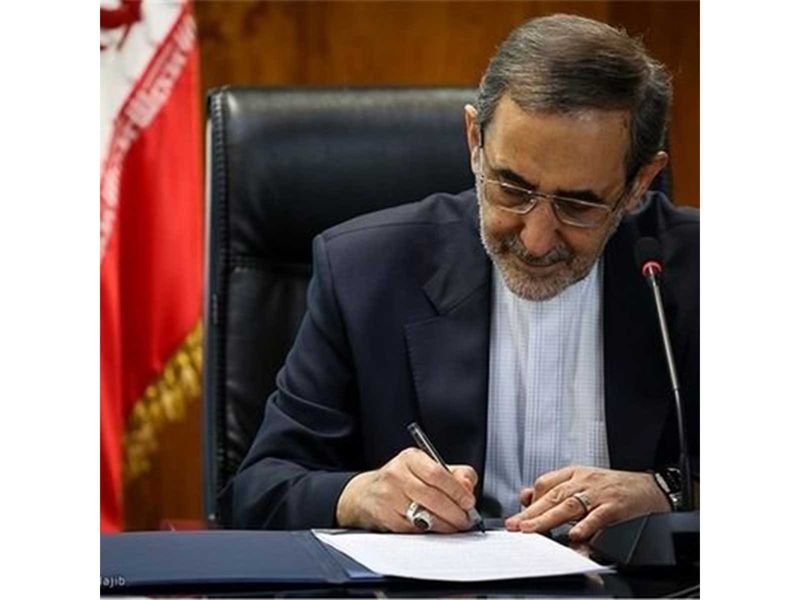

Tehran [Iran], August 8 (ANI): Adviser on international affairs to Iran’s Supreme Leader Ali Akbar Velayati on Saturday said that recent developments had demonstrated the resilience of Iranian armed forces and the steadfastness of the Iranian people, while asserting that “foreign forces” must leave the region.In a post on X, Velayati praised the “resilience” of the armed forces and common people.”Recent developments reflect the resilience of the armed forces, the steadfastness of Iranians, and the courage of the Resistance Axis,” Velayati said.He further claimed that the “US and Zionist [Israel] regime’s defeat reinforced the belief that foreign forces –the main cause of insecurity –must leave the region.”Velayati also called for greater cooperation among countries in the region [West Asia], saying, “Growing cooperation among regional states can secure the region’s security.”‘Axis of Resistance’ emerged as Iranian counter-framing to the US ‘Axis of Evil’ doctrine articulated by President George W Bush in 2002. That doctrine designated Iraq, Iran, and North Korea as states allegedly involved in terrorism and weapons of mass destruction programs.The ‘Axis of Resistance’ denotes a loose, Iran-centred network comprising both state and non-state actors — notably Hezbollah in Lebanon, the Houthis in Yemen, and militia groups operating in Iraq and Syria. The alliance is defined by its opposition to Western and Israeli regional interests.Velayati’s remarks came as Iranian Foreign Minister Araghchi on Saturday said that an understanding with Oman on regulating traffic through the Strait of Hormuz does not amount to reopening the strategic waterway, as Tehran and Muscat continue negotiations on a temporary shipping route, as reported by news agencies IRIB and Al Jazeera.According to the IRIB news agency, Araghchi said that the talks were ongoing and that a provisional route was being worked out due to the technical complexities involved. He said that the sides were “very close to the final result” but stressed that reopening the strait remained subject to additional conditions.”This action does not indicate the reopening of the Strait of Hormuz,” Araghchi said, adding that the reopening would depend on “other conditions and compensation for the violation of the memorandum of understanding by the United States,” according to IRIB.Meanwhile, Iranian President Masoud Pezeshkian has reiterated Tehran’s commitment to diplomatic engagement to protect national interests, asserting that the nation will not be forced to surrender.Pezeshkian delivered the comments in an interview published on his official website on Friday, defending his administration’s choice to negotiate with the United States and sign the memorandum of understanding (MoU) aimed at ending the war.Stressing Tehran’s position on the pact, Pezeshkian asserted that Iran will honour its commitments provided Washington abides by its obligations under the agreement, adding, “Wherever they fail to fulfil their commitment, we have no obligation to continue”. (ANI)(This content is sourced from a syndicated feed and is published as received. The Tribune assumes no responsibility or liability for its accuracy, completeness, or content.)