

GAMECHANGER weight loss drugs could curb alcohol abuse issues and hospital visits by more than a quarter, promising research has suggested.
The drugs, including Mounjaro, Ozempic and Wegovy, have long been hailed as a monumental breakthrough in the war on obesity.
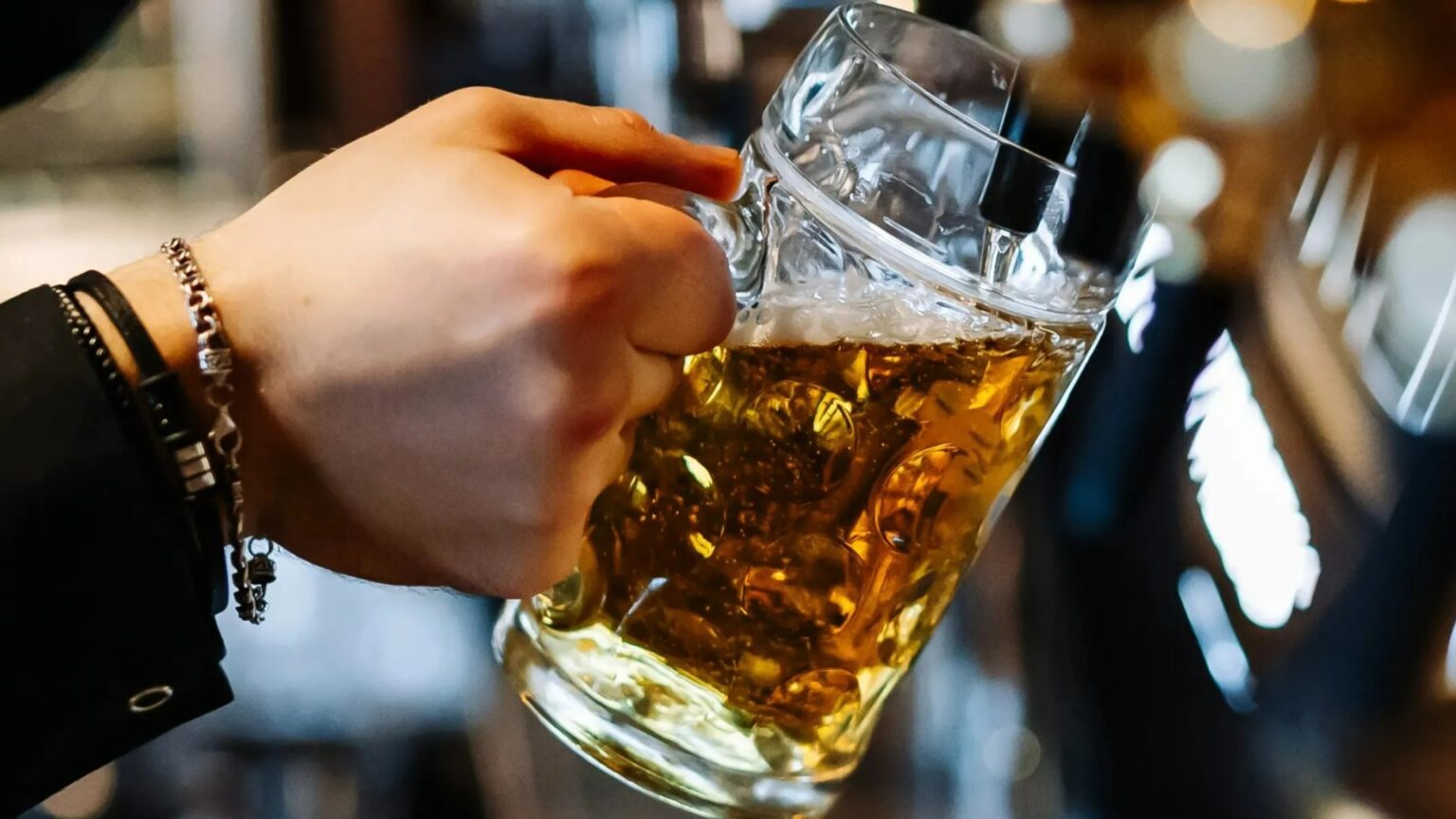
Studies have suggested that the medication could also help binge drinkers and alcoholics Credit: semenovp
But in recent months, studies have also suggested the medication could also help binge drinkers and alcoholics, paving the way as a potential treatment for addiction.
Now, according to US scientists, the drugs could lower alcohol-related hospital admissions by up to as much as 26 per cent.
Sign up for the Health newsletter
Thank you!
Researchers couldn’t be sure exactly why the medicines, collectively known as GLP-1 agonists, may help in this way.
But, writing in the journal BMJ Open, they said the jabs should be investigated as a new addiction treatment, while cautioning that further research was necessary.
JAB AWAY
Your ultimate guide to travelling with fat jabs or pills & rules to avoid disaster
JAB SHOCK
Nurse exposed flogging illegal ‘Godzilla’ jabs to slimmers instead of Mounjaro
The drugs, which are now believed to be taken by more than a million Brits, spur weight loss by mimicking the actions of a hormone released in the gut after eating, called GLP-1.
In the study, experts analysed alcohol-related hospital admissions for 40,703 people who had started either semaglutide, the ingredient behind Wegovy, or tirzepatide, also known as Mounjaro, between January 2018 and December 2024.
All were involved in four different studies.
These were an anti-diabetic medication trial, a weight loss drug trial, a study looking at medication for people with type 2 diabetes with alcohol issues and a trial looking at drugs for obese people with alcohol issues.
The analysis found that GLP-1 drugs slashed the risk of alcohol-related hospital admission by 26 per cent compared with other diabetes medicines.
Among those using the drugs for weight loss, the risk was 32 per cent lower compared with other obesity medications.
Elsewhere, weight loss jabs lowered the risk of alcohol-related hospital admission by 63 per cent and 65 per cent respectively among type 2 diabetics with alcohol problems and obese people with alcohol problems.
Latest figures show there were more than one million hospital admissions related to alcohol in England in 2023/24.
Reacting to the findings, Colin Angus, a professor of alcohol policy at Sheffield University Addictions Research Group, said: “This looks like a reasonable study that adds to a growing body of evidence that GLP-1s may reduce alcohol-related harm.
“However, this is a US-based observational study, and newer GLP-1s are expensive treatments, meaning there may well be some important differences between the people taking GLP-1s and those not taking them that may not be fully controlled for.
“For example, it is more likely that people from more affluent groups, with better health insurance, can afford them. The authors of the study acknowledge this.
“I’d view this as adding a little more weight to the emerging evidence, rather than the definitive word on the matter.”
Like any medication, the jabs can cause side effects that vary in both frequency and severity. Reported problems include nausea, constipation, diarrhoea, fatigue, stomach pain, headaches and dizziness.
Bizarre symptoms, such as hair loss, have also been reported among some patients.
Weight-related illness costs the economy £74billion a year, with people who are overweight at increased risk of heart disease, cancer and type 2 diabetes.
Two in three Britons are classed as overweight or obese and NHS figures show people now weigh about a stone more than 30 years ago.