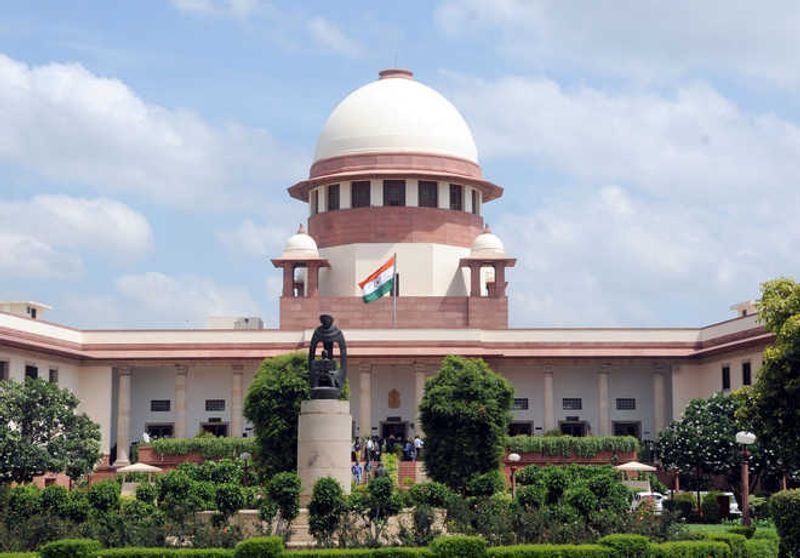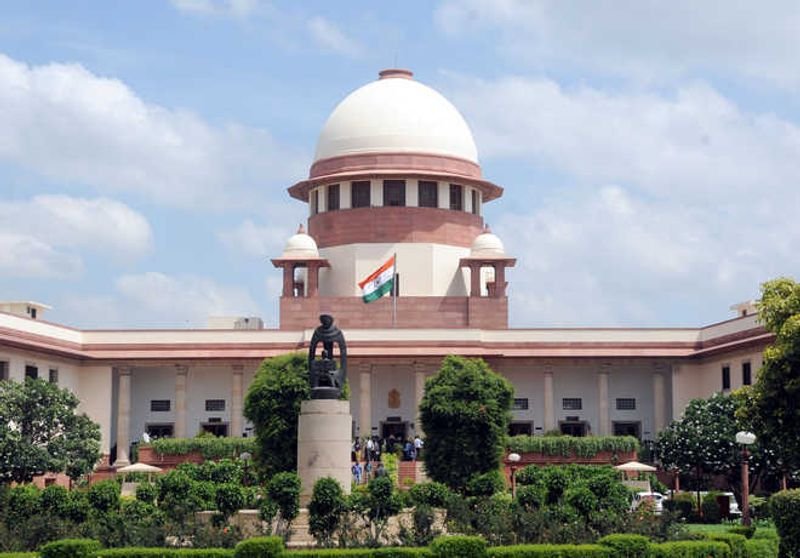

Due to its forgiving nature in commuting death sentences, the country was witnessing an increase in crime and this had to “come to an end somewhere”, the Supreme Court said on Thursday.“It is because of our forgiving nature that India is facing these problems. Forgive, forgive, forgive, you have to draw a line somewhere,” a bench of Justice Dipankar Datta and Justice Sheel Nagu said while hearing a petition filed by one Sanjeev Kumar — a murder convict from Haryana — seeking his premature release. Earlier, his death sentence was commuted to life imprisonment.While reserving its verdict on the convict’s premature release plea, the bench talked about the Supreme Court commuting the death sentence of a man who raped and murdered his elder daughter.“This court (SC) commuted death sentence in a case where a father raped and murdered his elder daughter. (He) goes to jail on life imprisonment on the basis of the mother’s testimony. After some years, the father comes out on parole and murders the mother in front of his younger daughter. On the younger daughter’s testimony, he is given the death sentence. And then the death sentence is commuted to life sentence by the Supreme Court on the ground that he did not murder the younger child. This is the Supreme Court (which passed the commutation order). That is why we say, our forgiving nature has to come to an end somewhere,” Justice Datta said.Justice Datta said earlier murder case convictions were based on the ‘rarest of rare’ doctrine but times have changed. “Times have changed. In earlier days’ murder leading to death (sentence) was on the basis of rarest of rare cases, because murders were rare. Is it the same now?” he wondered.Convicted of multiple murders, Kumar was sentenced to death in May 2004. The Punjab and Haryana High Court commuted his sentence to life imprisonment in 2005 but the Supreme Court reversed the high court’s decision in 2007 and restored his death penalty. After rejection of his mercy petitions by the Governor and the President, Kumar again moved the top court which commuted his death penalty to life imprisonment in January 2014, citing inordinate delay in deciding his mercy plea. Now, he is seeking premature release from prison under the Haryana Government’s 2002 Remission Policy on the ground that he has completed 20 years of his actual sentence. The Haryana Government counsel opposed Kumar’s plea.