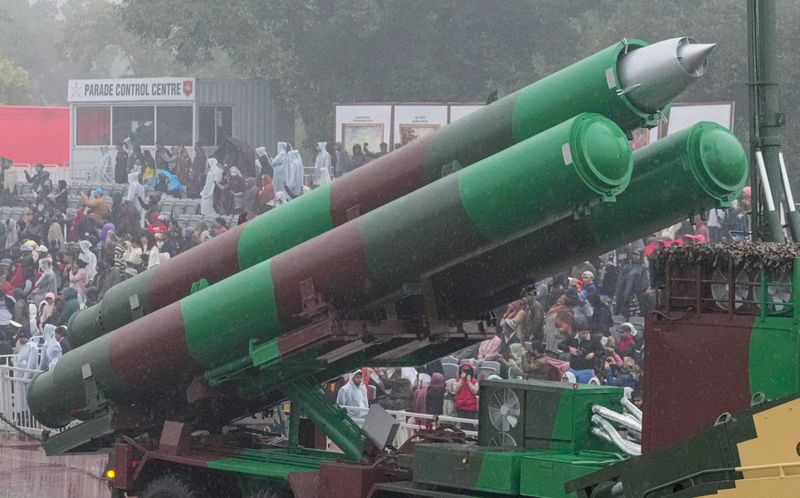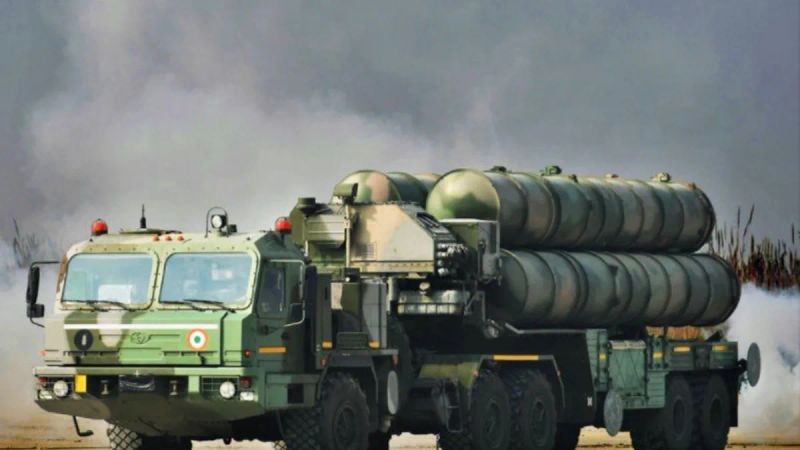

In a major boost to India’s air defence capabilities, the fourth squadron of the S-400 air defence missile system arrived at an Indian port on Monday. The system, which includes multiple missiles, launchers, sensors, and radars, is being transported from Russia to India in phases. Sources confirmed to The Tribune that the first consignment arrived today, with the rest expected in the next few days.Once assembled, the S-400 will be deployed by the Indian Air Force in a designated operational area.The squadron is part of a USD 5.4 billion contract signed in 2018 under which India was to acquire five S-400 squadrons from Russia. Three were delivered two years ago, while the remaining two were delayed due to the ongoing Russia-Ukraine war.The S-400 system was credited with intercepting Pakistani drones and cruise missiles during Operation Sindoor in May 2025. In February, the Indian Air Force released a video showing the S-400 in action, highlighting what the IAF called the “longest-ever air kill” in military history — a high-value aircraft struck at a range exceeding 300 km.The fifth and final squadron of the S-400 missile system is expected to reach India by the end of this year.Drawing on lessons from Operation Sindoor, the Ministry of Defence (MoD) approved the procurement of five additional Russian-origin air defence systems in March. The Defence Acquisition Council, the apex decision-making body at MoD, cleared the proposal at its March meeting. Sources said the five additional S-400 systems are expected to cost USD 6.1 billion.The S-400 is designed to engage aerial targets, including those with stealth capabilities, at ranges of up to 400 km. It can also intercept ballistic missiles and hypersonic targets. Compared to its predecessor, the S-300, the S-400 has a firing rate that is 2.5 times faster.MoD said in March that the S-400 system will counter enemy long-range air threats targeting vital areas, while UCAVs will enable offensive counter-air and coordinated operations, along with stealth intelligence and surveillance.This expansion is part of a broader strategy announced by Prime Minister Narendra Modi on Independence Day 2025 to create a near-seamless kinetic and electronic shield across India’s most vulnerable borders. For this, India is also working on an indigenous programme, codenamed Project Kusha, to develop its own air defence systems capable of engaging enemy drones at ranges similar to the Russian system.