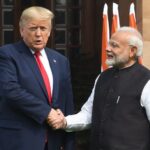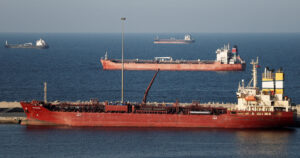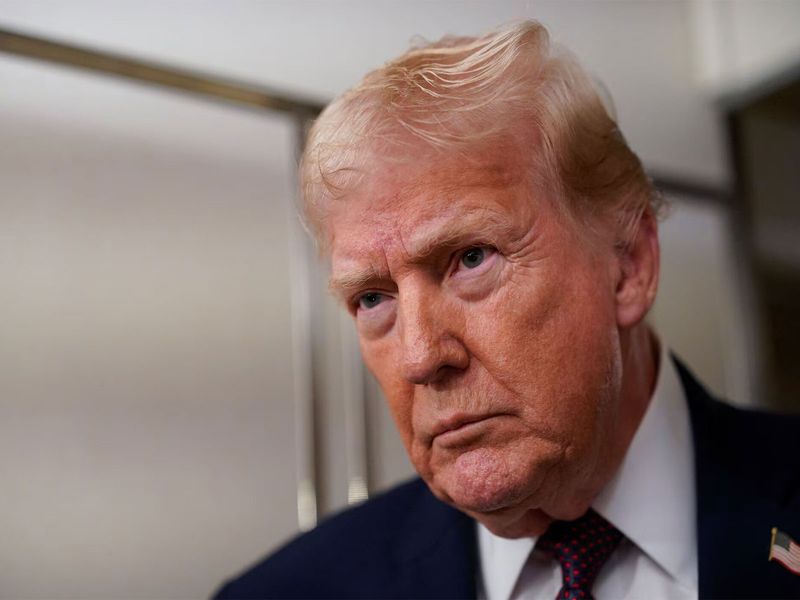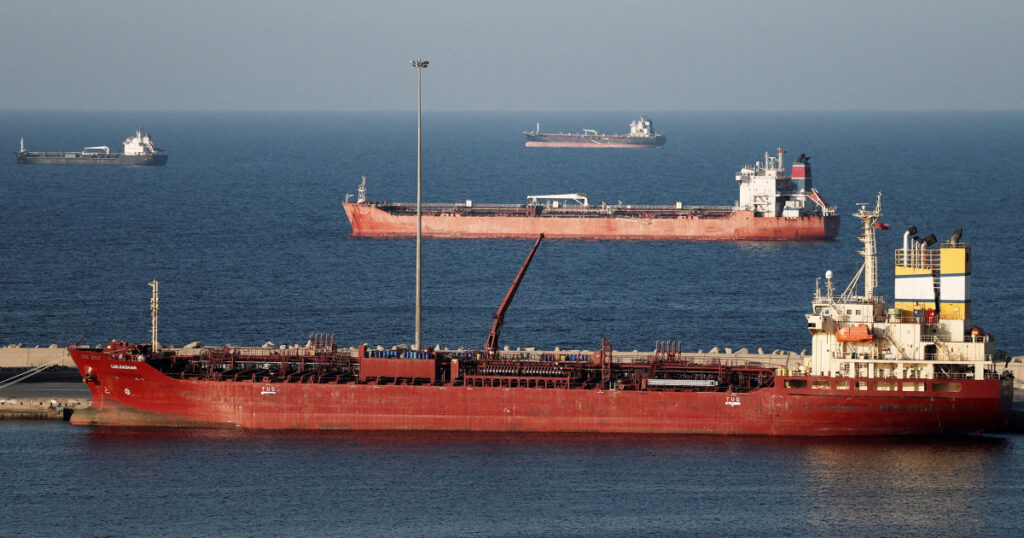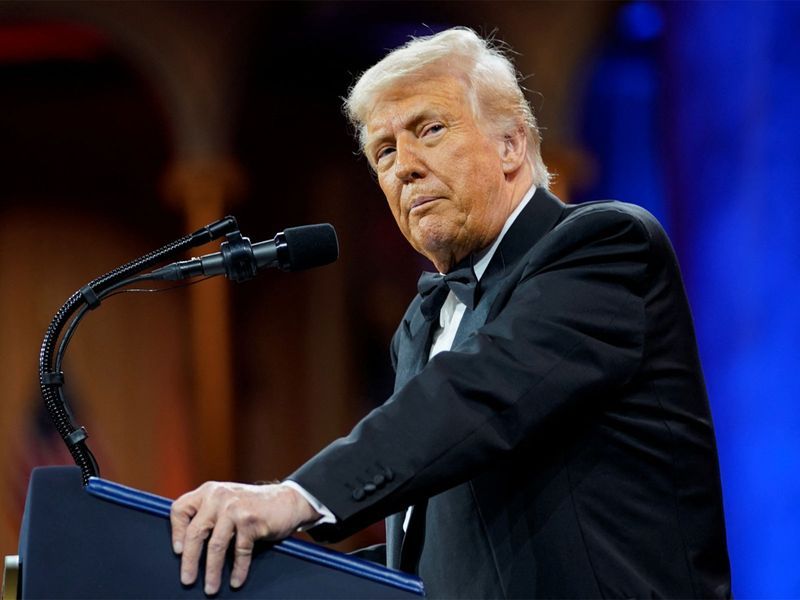

US President Donald Trump on Tuesday said talks with Iran “could be happening over next two days” in Pakistan. “Something could be happening over the next two days… we’re more inclined to go there. It’s more likely, you know why? Because the field marshal is doing a great job,” Trump said in an interview with New York Post.Sources said a second round of talks between the US and Iran likely later this week — possibly on April 16. Reports indicate that despite the failure of marathon talks in Islamabad over the weekend, both sides have kept the door open for further engagement, underscoring the urgency to prevent escalation after weeks of conflict.The earlier round of negotiations, led by US Vice-President JD Vance, stretched nearly 21 hours but ended without a breakthrough, with core disagreements persisting over Iran’s nuclear programme, sanctions relief and control of the strategic Strait of Hormuz.Explaining the collapse of the Islamabad talks, Vance said Iran had failed to accept Washington’s terms despite what he described as “substantive discussions”.While Vance maintained that US placed its “best and final offer” on the table, Iran has pushed back forcefully, blaming “excessive demands” and a “lack of political will” on the part of the US for the deadlock.During a telephonic conversation with French President Emmanuel Macron, Iranian President Masoud Pezeshkian said Tehran had entered the Islamabad talks with “seriousness and goodwill”, and that expert-level understandings had been reached before negotiations collapsed.“We have clearly outlined the terms for a ceasefire and remain committed to them. America’s excessive demands became an obstacle,” Pezeshkian said, while signalling that Iran remains open to further dialogue, but strictly within the framework of international law.He underscored that Tehran’s future engagement with Washington would be conditioned on adherence to “international laws and regulations”, while urging European powers to play a more constructive role in ensuring compliance.The Iranian President also issued a pointed warning over the Strait of Hormuz, a vital artery for global oil shipments, cautioning that any disruption to its security would have “widespread global implications”. He maintained that Iran had historically sought to ensure safe passage through the corridor but would respond to any scenario in line with its national interests.The diplomatic friction has been compounded by Washington’s naval blockade in the Strait — a move that has triggered a sharp reaction from Tehran. Iran’s Ambassador to Pakistan Reza Amiri Moghadam termed the US action “unlawful, provocative and non-constructive”, calling it a reckless escalation at a time when diplomatic channels remain open but fragile.Moghadam accused the US of fuelling a “vicious cycle” in which aggressive rhetoric was followed by military posturing to legitimise the use of force. He warned that the blockade could serve as a pretext for expanded military deployment, potentially leading to loss of lives and imposing additional financial burdens.Calling the move “economic terrorism”, the envoy cautioned that disruption in the Strait could destabilise global markets, jeopardise livelihoods and undermine international peace and stability.Even as rhetoric hardened, both sides have left the door open for diplomacy. Vance struck a cautious note after the failed talks, indicating that negotiations were not over and suggesting that the “ball is in Iran’s court” as the region braces for the next phase.The crisis has also drawn in major global powers, adding new layers to the geopolitical churn. Chinese President Xi Jinping stepped into the fray on Tuesday, hosting Sheikh Khaled bin Mohamed bin Zayed Al Nahyan in Beijing and outlining a four-point proposal aimed at restoring peace and stability in West Asia.Xi called for adherence to peaceful coexistence, emphasising that countries in the region are “interdependent and inseparable neighbours” and must work towards a cooperative security architecture. He stressed the importance of respecting national sovereignty, warning against violations of territorial integrity.Highlighting the need to uphold international law, the Chinese leader cautioned against its “selective application”, saying it risked pushing the world towards a “law of the jungle” scenario. He also underlined the need to balance development and security, urging coordinated efforts to create conditions for long-term regional stability.China’s intervention comes at a time when global powers are increasingly being drawn into the conflict, with energy markets, shipping lanes and regional alliances all under strain.