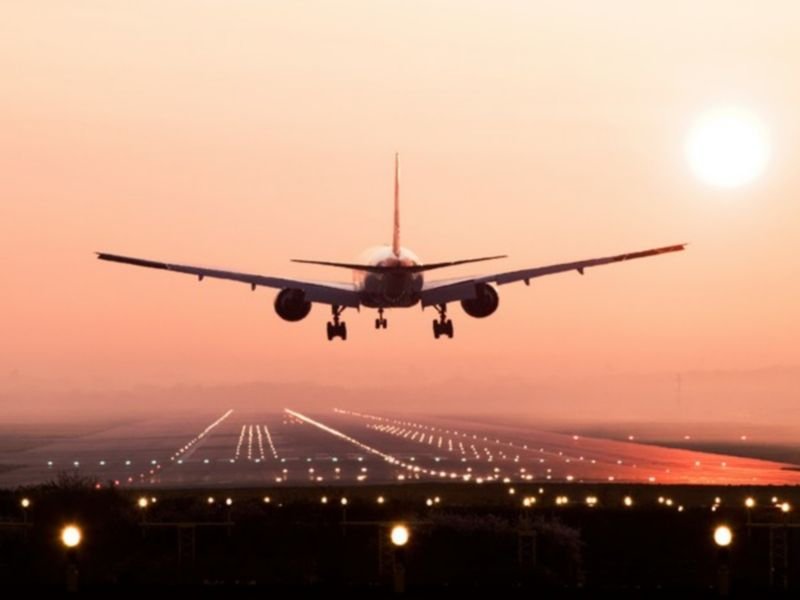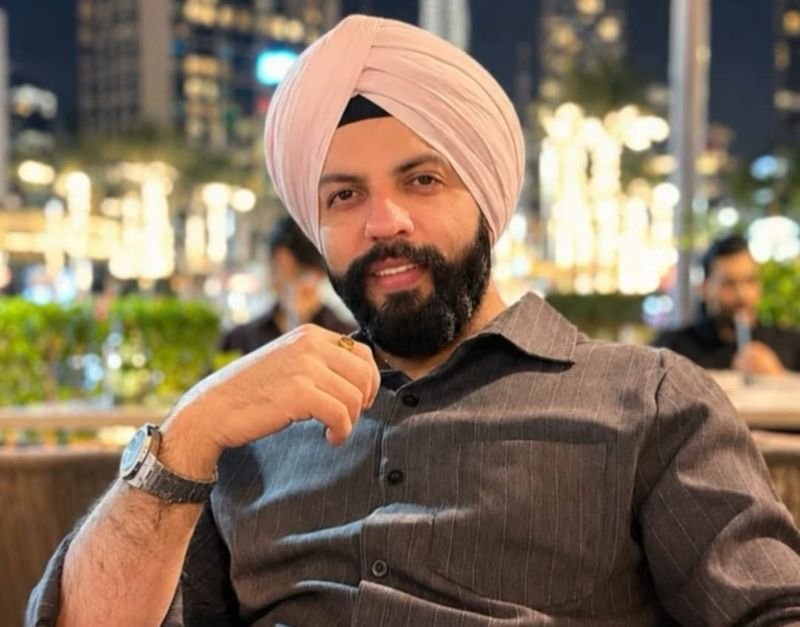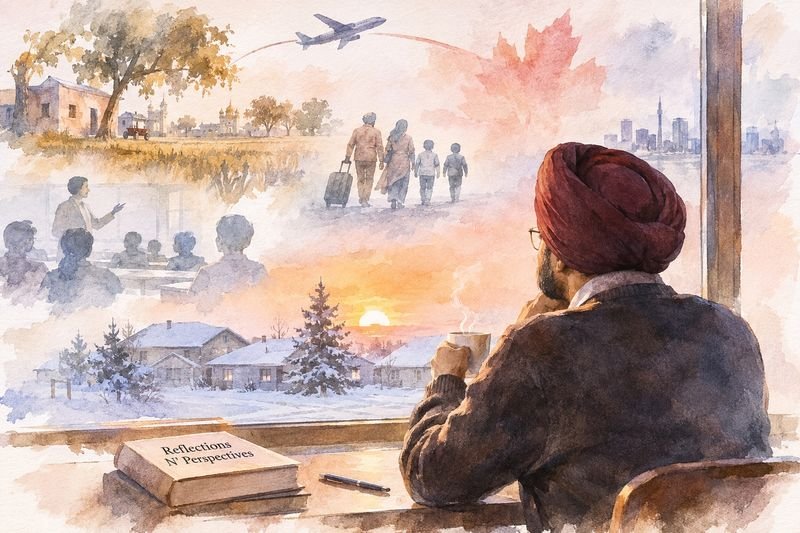

At dawn in the quiet chill of Saskatchewan, a single thought can spark a profound shift in perspective. For nearly five decades, my life has spanned two far-off corners of the globe — from my roots in Punjab to building a new life over the last decade on the Canadian Prairies.Before immigrating, I had living a comfortable life. I had a stable teaching position in my hometown in Malout, built a new house, bought a car, and enjoyed a vibrant social life surrounded by extended family. Yet, despite the contentment, a quiet restlessness persisted — an inner calling to step into the unknown.With the unwavering support of my wife, Meenakshi, we took a leap of faith. Leaving behind our newly built home, established careers, and close-knit family, we travelled to the other end of the world to begin anew.Relocating across the globe is rarely seamless. For us, it meant starting from scratch — enduring sub-zero Prairie winters, and adapting to stark contrasts between rural and urban landscapes. As a high school teacher who has stood in classrooms in both India and Canada, I witnessed firsthand how educational philosophies and everyday mannerisms shift across borders. In Punjab, respect is often expressed through formal deference; in a Canadian classroom, it is built through open dialogue, mutual curiosity, and informal warmth. Wisdom and courtesy, I quickly learned, are not static — they evolve across languages and cultures.Beyond the classroom, the true test of adaptation unfolded inside our home. Raising two teenagers in a new land offered a deeply personal lens into the immigrants’ journey. Balancing our Punjabi values and mother tongue with the realities of growing up in North America required constant conversation, patience, and an open mind. Every cultural hurdle — from navigating school traditions to bridging generational expectations — became a lesson in unlearning old assumptions and listening without judgment.Today, as both Meenakshi and I serve as permanent high school teachers and call Saskatoon our home, people often ask if the sacrifices were worth it. My answer is an unequivocal ‘yes’.Still, rebuilding a life comes with a quiet ache. Video calls can never fully replace the warmth of spontaneous chai and gupshup or festive family gatherings back in Punjab, neither do the taste of samosas and butter chicken here seems genuine. Yet, those very hardships cultivate a profound empathy. Stepping outside one’s comfort zone strips away inherited biases and fosters genuine respect for diverse faiths, traditions, and races. It shapes you into a true global citizen — someone whose compassion transcends man-made borders, even while carrying an enduring love for their homeland. We do visit Punjab regularly so our children remain deeply connected to the soil and spirit of their origin.Through this journey, I have come to realise that the Almighty blessed me to travel across the earth, carrying goodness, compassion, and positive change wherever I go. For the Punjabi diaspora, this spirit turns migration from a simple relocation into a purposeful responsibility.In a fast-paced world, pausing to reflect is a quiet act of empowerment — a reminder that wherever life takes us, every transition offers a wider lens through which to view our shared humanity.Deep Kamal, Saskatchewan (Canada)/MaloutTribuneindia.com invites contributions to SHAHARNAMA. Share anecdotes, unforgettable incidents, impressionable moments that define your cities, neighbourhoods, what the city stands for, what makes its people who they are. Send your contributions in English, not exceeding 450 words, to shaharnama@Jattvibemail.comDo include the name of your city and your social media handles (X/ Twitter, Instagram, Facebook, LinkedIn)