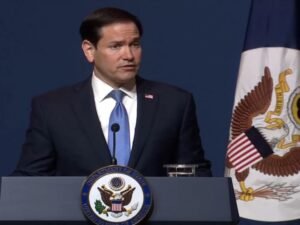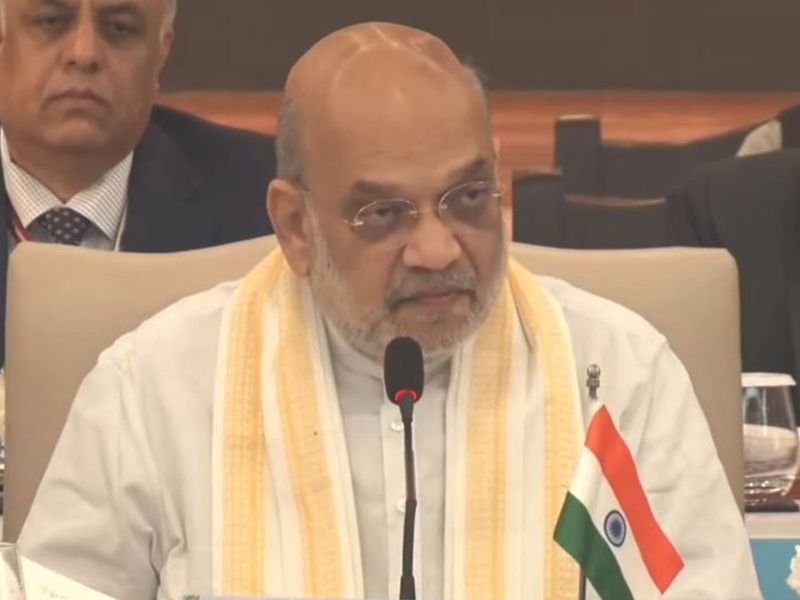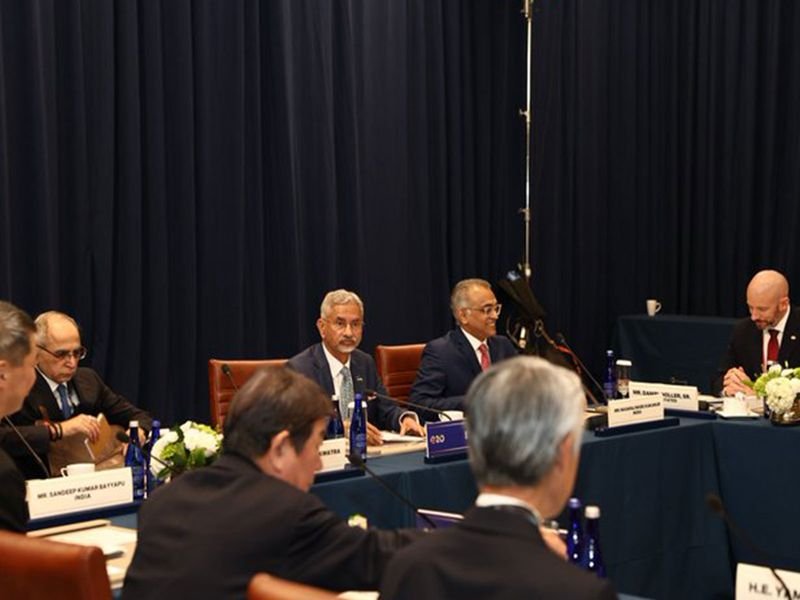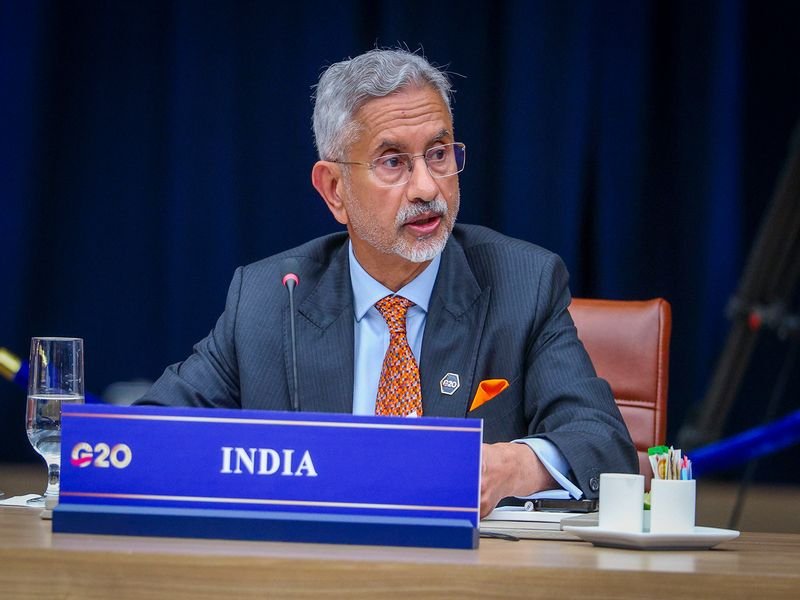

Atlanta [US], November 1 (ANI): Foreign ministers from the world’s leading economies wrapped up two days of talks in Atlanta without reaching agreement on several pressing global security issues, laying bare the divisions that continue to shadow the G20.For India, the message was urgent. External Affairs Minister S Jaishankar told the three plenary sessions that “diplomacy, not military force, must be given a chance” and that developing nations are paying a heavy price for crises they did not create.The US holds this year’s G20 presidency, and President Donald Trump will host leaders at Trump National Doral in Miami on December 14-15. The foreign ministers’ meeting was an early test of how much common ground exists before then.Jaishankar said Global South countries were bearing a disproportionate burden from attacks on civilian shipping and seafarers, which threaten the supply and cost of fuel, food and fertiliser. He called for freedom of navigation under international law, including UNCLOS, and said India and Liberia had launched a joint initiative to protect seafarers.On energy, he said the world faces a crisis not of production but of unpredictability, disruption and cost. Deliberate attacks on energy trade and infrastructure, he argued, were being used to hold prices hostage, while sanctions and chokepoints were distorting markets. For Indian households, he made a pointed request: reliable and predictable LPG supplies for clean cooking.He also highlighted India’s National Mission on Critical Minerals and proposed a G20 Critical Minerals Circularity Initiative.In the final session, Jaishankar said the right to industrialise must be protected and warned against “predatory practices”. He urged countries to diversify and de-risk their supply chains, and called on the G20 to work towards the “de-politicisation” of markets so that finance, resources and production are not used as weapons. He also cautioned that short-term tactical calculations should not blind countries to the dangers of terrorism.Away from the main sessions, Jaishankar held a packed round of bilateral meetings, as reported earlier by ANI. These included talks with his counterparts from Argentina, Canada, Mexico, Brazil, Germany, South Korea and Poland.He discussed the Ukraine conflict and the Gulf situation with Russia’s Sergey Lavrov and the EU’s foreign policy chief, Kaja Kallas. With Poland’s Radosław Sikorski, he discussed Ukraine, India-EU ties and the G20.He also joined the third Quad foreign ministers’ meeting this year, following earlier meetings in New Delhi and Manila. The grouping stressed stability in the Indo-Pacific, supply chain resilience, and cooperation on critical minerals, energy security and maritime security.All eyes now turn to Miami in December, where trade, energy security, and the Ukraine and Gulf situations are expected to dominate the agenda. (ANI)(This content is sourced from a syndicated feed and is published as received. The Tribune assumes no responsibility or liability for its accuracy, completeness, or content.)