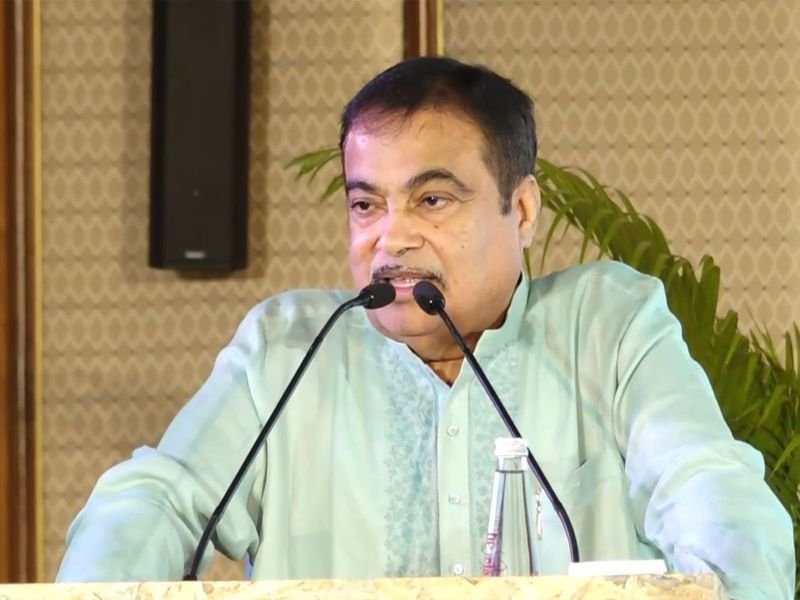

The government on Thursday defended the Ethanol Blended Petrol (EBP) programme, saying it played a crucial role in shielding consumers from a steep surge in petrol prices, even as it acknowledged that ethanol-blended fuel could reduce mileage by 2 to 6 per cent, depending on the vehicle category.To a question in the Lok Sabha, Union Minister for Road Transport and Highways Nitin Gadkari said petrol prices could have risen to around Rs 125 per litre during the period of heightened geopolitical tensions. However, consumers continued to pay Rs 94.77 per litre (ex-Delhi) as oil marketing companies (OMCs) were able to procure ethanol at approximately Rs 70 per litre, enabling them to replace a portion of imported petrol with domestically produced ethanol.“This demonstrates that ethanol blending is a strategic investment in energy security, price stability, farmer welfare and foreign exchange savings, rather than a revenue-generating exercise for the OMCs,” the minister said.Responding to concerns over fuel efficiency, Gadkari said studies conducted by government agencies and automobile manufacturers had found that the reduction in mileage in certain E10 fuel vehicles was limited to about 2 to 6 per cent. He added that fuel efficiency was influenced by several factors, including driving conditions, driving habits and vehicle maintenance, and could not be attributed solely to ethanol blending.“More than 20 crore two-wheelers and over three crore petrol cars have been operating on these blends without any verified evidence of widespread engine failure or vehicle breakdown attributable to ethanol blending,” the minister said.Meanwhile, official sources said approximately seven crore vehicles refuelled at petrol pumps across the country, dismissing the accusation of an anti-ethanol lobby. They said had there been a sharp drop in mileage, as claimed, there would have been serious issues.Highlighting its economic impact, Gadkari said the EBP programme had generated foreign exchange savings of nearly Rs 1.98 lakh crore, substituted around 317 lakh metric tonnes of crude oil, reduced approximately 952 lakh metric tonnes of carbon dioxide emissions and provided an additional income of over Rs 1.66 lakh crore to farmers.India currently meets nearly 85 per cent of its crude oil requirement through imports, making it the world’s third-largest crude importer. Gadkari said ethanol blending had helped reduce the country’s exposure to volatile international crude oil prices and exchange rate fluctuations.He said despite these factors, petrol prices were kept below market-determined levels during February-March 2026, resulting in an under-recovery of about Rs 21,300 crore for public sector OMCs on petrol sales.According to the minister, E20 was introduced only after successful validation of fuel systems, engine durability, drivability, material compatibility, emission performance and consumer acceptance.Gadkari said E20 offered a higher octane rating, improved anti-knock characteristics, cleaner combustion and smoother engine performance while helping reduce carbon emissions. Studies had also shown that legacy vehicles did not experience abnormal wear and tear or any significant variation in performance due to the use of E20.He said these findings were supported by real-world experience and E15+ blended petrol had been in widespread use for over three and a half years, while E19-E20 fuel had been available for more than two and a half years.He said manufacturer service data had not shown any abnormal corrosion, excessive wear or reduction in vehicle life due to the E20 fuel, and automobile manufacturers continued to honour warranty obligations for vehicles using specification-compliant E20 petrol.