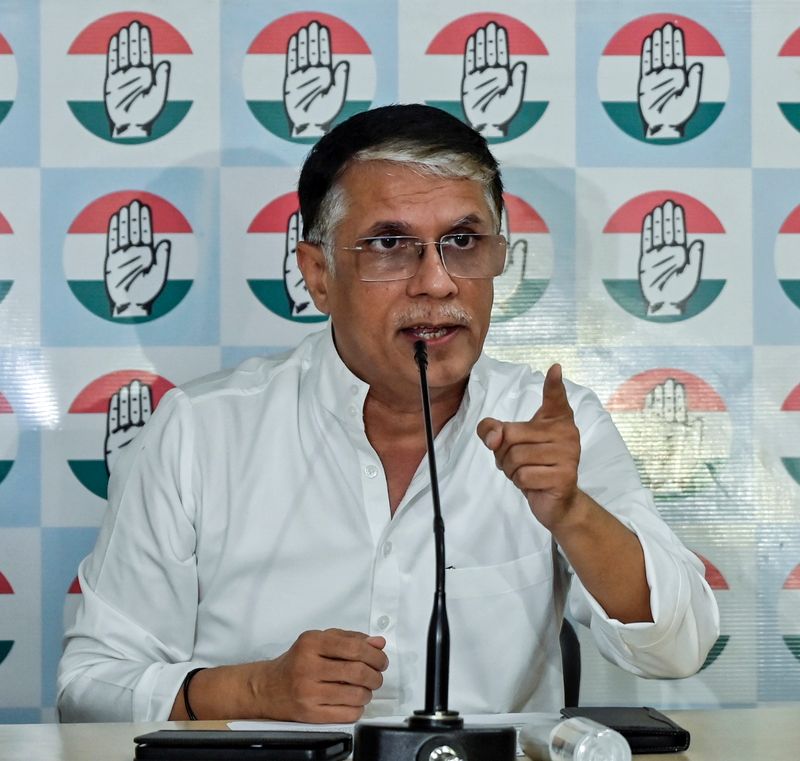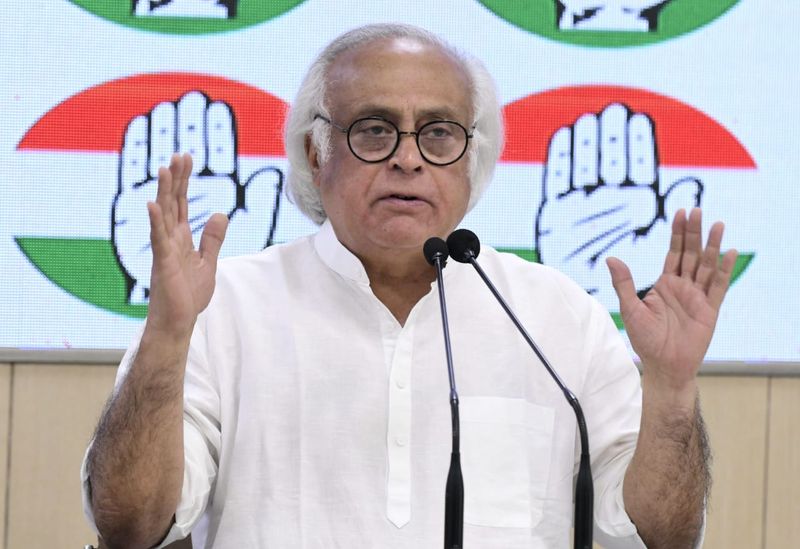

The Centre’s bid to fast-track amendments to the Nari Shakti Vandan Adhiniyam has hit a political wall, with Opposition parties making it clear that backing the women’s reservation Bill did not mean endorsing the route being proposed.Even as Prime Minister Narendra Modi has called the move a “historic correction” and sought its implementation before 2029, the Opposition said the exercise “raised more questions than it answered”.Congress general secretary in-charge of communications Jairam Ramesh said when the “intent behind a Bill was mischievous and the content of it was devious”, the extent of “damage to parliamentary democracy was enormous”. The DMK described the move as “effectively a delimitation Bill in the garb of women’s reservation”.The sharpest concern of the Opposition is that the proposal was not just about reserving seats for women, but about redrawing the country’s electoral map. By tying the quota to delimitation, parties argued, the government was “pushing a politically sensitive restructuring under the cover of a widely supported reform”.Telangana Chief Minister Revanth Reddy called it a “red herring”, and said “doing delimitation without Census made no sense”.What makes delimitation contentious is its direct impact on political power. The proposed expansion of the Lok Sabha from 543 to 850 seats, based on population, is expected to shift the power balance towards more populous states.Flagging the numbers, Jairam said the current 60-seat gap between Uttar Pradesh (80) and Kerala (20) could rise to 90, while the difference between Uttar Pradesh and Tamil Nadu (39) could widen from 41 to over 60. Opposition parties fear that representation may tilt further in favour of larger states, raising federal concerns.The use of the 2011 Census data has added to the unease. The government’s plan to proceed without waiting for fresh Census is being seen as both outdated and politically convenient. Opposition leaders argued that redrawing constituencies on the basis of the decade-old data “undermined the credibility of the exercise and raised questions about intent, especially when the Census itself had been delayed”.Congress president Mallikarjun Kharge has written to the Prime Minister saying that without clarity on delimitation, “it would be impossible to have any useful discussion”. Senior Congress leader Sonia Gandhi has termed the government’s approach “hurried”.Congress MP Manish Tewari has underlined that parliamentary propriety demanded advance circulation of such proposals. The Bill, however, was shared by the government on Tuesday, 48 hours before the three-day Parliament session is to start on April 16.Ramesh also questioned the timing of the session. “Parliament’s special session will begin on April 16 when campaigning in Tamil Nadu and West Bengal will be at its peak. The Modi government has rejected the Opposition’s legitimate demand to convene an all-party meeting after the elections conclude,” he said.There are also demands around the structure of the quota itself. The Samajwadi Party has pushed for sub-categorisation to ensure OBC women were represented, with MP Iqra Choudhary asking why such provisions could not be introduced alongside the current plan.The government’s argument is that the existing law tied implementation to a future Census and delimitation, which could delay the quota till around 2034. By advancing the process, the government said, it aimed to ensure that the 2029 elections were held with women’s reservation in place. Modi has framed it as a “matter of urgency, saying women cannot be asked to wait endlessly”.With a two-thirds majority needed in Parliament, the government will require the Opposition support. For now, that support is conditional, on clarity over delimitation, updated data and a consultative process. A meeting between INDIA bloc constituents is scheduled to take place in Delhi on April 15.Meanwhile, former Lok Sabha Speaker Meira Kumar said the implementation of women reservation would mark the culmination of a decades-long political struggle.