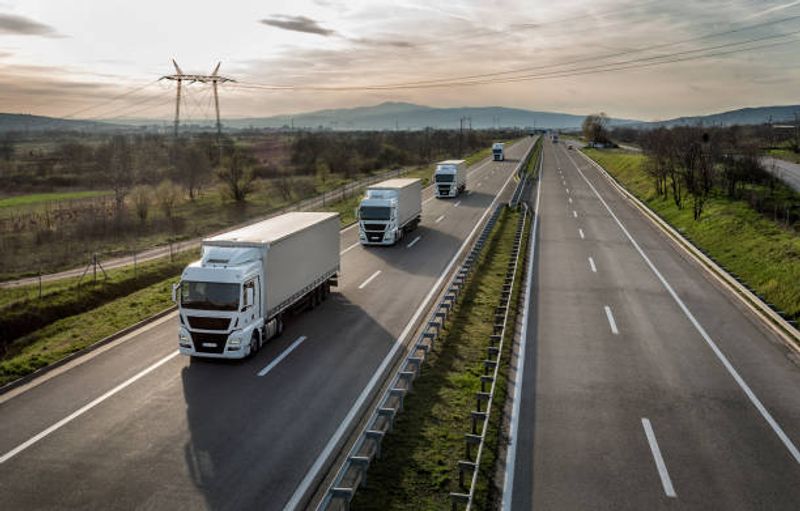

In a major move to boost self-reliance in the electric vehicle segment, the government has mandated indigenous manufacturing of critical electric truck components from September.The Union Ministry of Heavy Industries has issued a notification tightening domestic making requirements for electric trucks under the government’s flagship PM E-DRIVE scheme.The notification says three critical electronic components — — battery management system (BMS); DC-DC converter and vehicle control unit (VCU) — of electric trucks must be manufactured within India by September 1, 2026. The move aims at reducing dependence on imported parts and building a robust domestic electric vehicle industry.The notification amends the Phased Manufacturing Programme (PMP) for N2 and N3 category electric trucks — that is, medium and heavy commercial electric trucks used for transporting goods across the country.The PM E-DRIVE scheme, launched in September 2024, seeks to accelerate EV vehicle adoption in India. Under this scheme, the government provides financial incentives to manufacturers of electric vehicles, including electric trucks, buses and two-wheelers. A key condition attached to these incentives is that manufacturers must progressively increase the use of locally made components — a requirement known as the Phased Manufacturing Programme or PMP.This means if a company wants government subsidy on electric trucks it sells in India, it must manufacture more and more parts inside the country rather than importing them from abroad,The latest notification mandates local manufacturing of three technically vital components of electric trucks from September.First, the Battery Management System (BMS), which is the brain of an EV battery, monitors and controls the battery’s charging, discharging and temperature. So far manufacturers were permitted to import BMS as a finished unit, but from September 1, BMS must be assembled and manufactured in India. “This means the circuit boards, electronic chips, semiconductors, connectors, wiring and software programming of the BMS must all be done domestically. Import of BMS units will be permitted only until August 31, 2026,” officials said.DC-DC Converter converts high-voltage power from the main battery pack to lower voltages needed to run other electrical systems in the truck, such as lights, air conditioning, and onboard computers.From September 2025, a basic level of local assembly was already required. From September 1, a deeper level of manufacturing — including assembly of individual electronic chips and semiconductors directly onto circuit boards — must be performed in India.Vehicle Control Unit is the central electronic control system of an electric truck. It acts as the master controller, managing everything from motor output and braking to energy recovery and driver inputs.Like the DC-DC converter, basic local integration was mandated from September 2025. From September 1, 2026, full component-level manufacturing of the VCU, including circuit board assembly and software programming, must be carried out within India.The policy shift is expected to generate jobs, reduce imports, and gradually make electric trucks more affordable, reducing cost of transporting goods and ultimately lowering prices of everyday commodities.For the industry, the notification means that electric truck manufacturers operating in India — Indian companies and global players — will now need to invest in setting up or expanding local manufacturing facilities for these three components before the September 2026 deadline.Companies that fail to comply with the new PMP norms risk losing eligibility for government subsidies under the PM E-DRIVE scheme, which would significantly affect their pricing and competitiveness in the market.