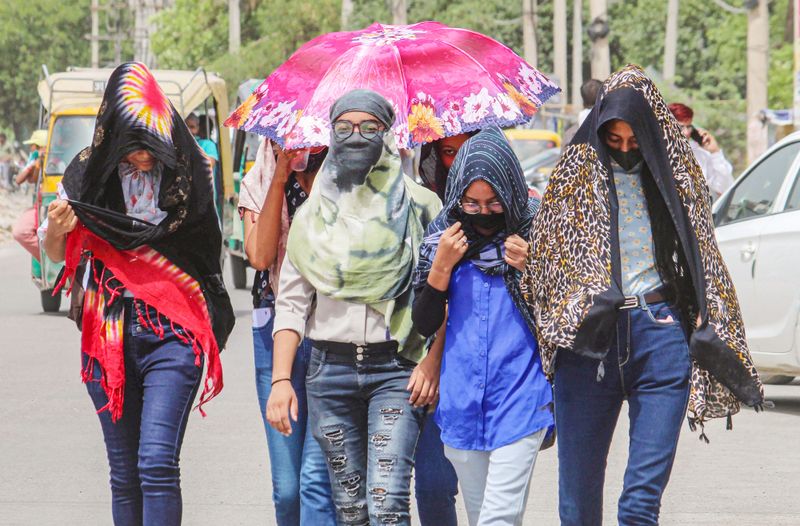

In view of the prevailing and anticipated hot weather conditions, the state health department has mandated daily surveillance and reporting of heat-related illnesses through centralised monitoring systems.Haryana Additional Chief Secretary, Health and Family Welfare, Dr Sumita Misra today issued a comprehensive public health advisory aimed at ensuring preparedness across all levels.All hospitals, Community Health Centres (CHCs) and Primary Health Centres (PHCs) have been directed to ensure availability of essential medicines, ORS, intravenous fluids, ice packs and other equipment required for managing heat-related illnesses.Dedicated heatstroke management units are being established, while ambulances are being equipped for rapid response.Similarly, the medical officers, paramedical staff and frontline health workers are being trained to identify symptoms of heat-related illnesses and provide immediate care.Healthcare facilities are also being equipped with uninterrupted power supply, adequate drinking water, cooling arrangements and emergency preparedness systems. Regular fire safety audits, electrical inspections and mock drills are being conducted to ensure safety during peak summer conditions.The ‘cool first, transport second’ approach is being adopted to ensure timely and effective treatment of severe cases.“The aim is to procure accurate and timely data reporting to enable quick response and targeted interventions. Heat wave alerts issued by the India Meteorological Department will be disseminated regularly to both healthcare institutions and the public to enhance early preparedness,” she said.All districts have been directed to remain on high alert and ensure effective implementation of the heat-health action plan. Emphasis has been laid on strengthening preparedness, timely response and minimising health risks associated with extreme heat conditions.“People have been advised to stay well hydrated by drinking sufficient water, and to consume oral rehydration solutions or homemade drinks such as lemon water, lassi and fresh fruit juices. Wearing light-coloured, loose cotton clothes and covering the head with caps, umbrellas or traditional cloth is recommended when stepping outdoors. Citizens should avoid going out during peak heat hours between noon and 3 pm and prefer staying indoors or in shaded, well-ventilated places. Homes should be kept cool by using curtains and allowing ventilation during cooler hours,” she said.The advisory further cautions against the consumption of alcohol, tea, coffee and sugary or carbonated drinks, as these can lead to dehydration. People have also been advised not to consume stale or heavy food and to avoid leaving children or pets inside parked vehicles, where temperatures can rise dangerously.Dr Misra emphasized that special care is being taken for vulnerable groups, including infants, elderly citizens, pregnant women, outdoor workers and individuals with pre-existing health conditions.“Families have been advised to regularly monitor elderly persons living alone, ensure they remain hydrated, and provide them with a cool and comfortable environment,” she said.