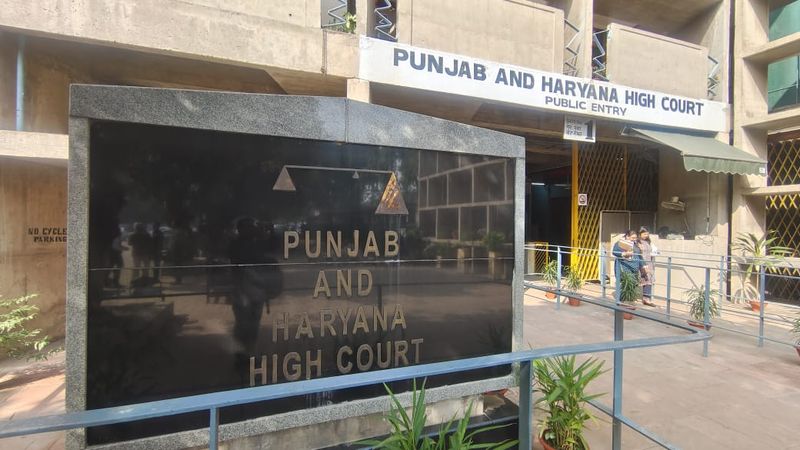

A blind and mentally challenged minor girl, found eating soil by the chairman of Karnal’s Child Welfare Committee (CWC), and later discovered to be pregnant, identified three juveniles accused in the sexual assault case by their voices — a fact noted by the Punjab and Haryana High Court while refusing them bail.Dismissing connected revision petitions, Justice Shalini Singh Nagpal upheld orders passed by Karnal Juvenile Justice Board and the appellate court, observing that release of the children in conflict with law (CCLs) would “certainly defeat the ends of justice”.The case came to light after CWC chairman Umesh Kumar noticed the girl eating soil near a hut in Ansal Town while he was there for some work. The child appeared to be pregnant. According to the complaint, the girl’s mother informed him that the child was blind and mentally challenged and alleged that a wrong act had been committed with her in a nearby park. She further alleged that one of the boys involved lived in the area and that his mother had threatened her against lodging a complaint.Opposing the bail pleas, the state argued that the prosecutrix was “a minor, mentally challenged child who was blind as well” and that the sexual assault had resulted in her pregnancy. The state further submitted that although the victim could not name the petitioners, “she had identified them by their voice”. It was also pointed out that four of the 19 prosecution witnesses had already been examined.The court noted that the child was subsequently declared a child in need of care and protection. Upon medical examination, she was found to be pregnant. Justice Nagpal observed the name of one CCL was disclosed in the FIR, while the names of two others surfaced in the disclosure statement of the co-accused. Referring to the victim’s testimony, the court recorded: “Prosecutrix has since been examined and has supported the prosecution case, identifying the three CCLs by voice.”Rejecting the plea, Justice Nagpal observed: “The offence allegedly committed is grave and heinous and shakes the judicial conscience of the court.” The court added that gravity of the offence alone was not sufficient to deny bail. But their release on bail would certainly defeat the ends of justice “in the wake of all attendant facts and circumstances of the case”.Referring to the Supreme Court’s judgment in a case against the state of Rajasthan and another respondent, the high court noted that courts must be sensitive while dealing with juveniles involved in serious offences such as rape and gang rape.The court added the Juvenile Justice Act was a beneficial legislation intended for the reformation of children in conflict with law. But the courts were required to consider all surrounding facts and circumstances of a case while deciding applications for bail.“The CCLs do not deserve the concession of bail, notwithstanding the period of incarceration in place of safety,” Justice Nagpal asserted, before parting with the case.