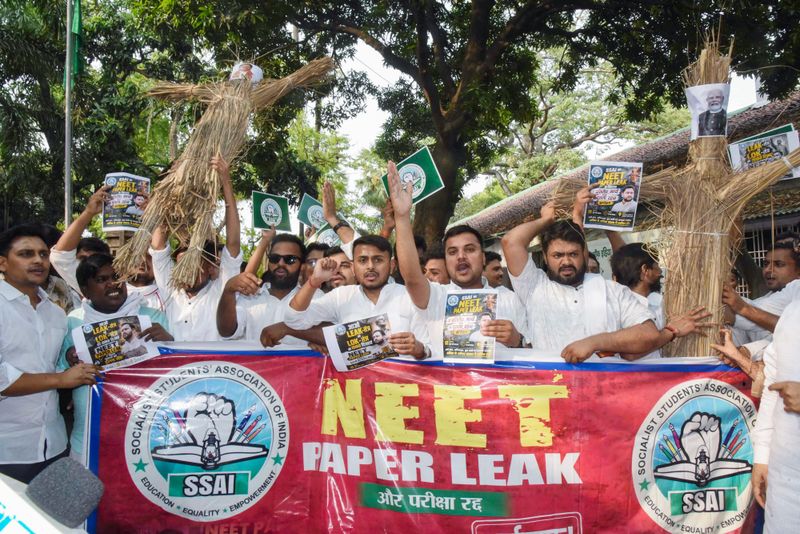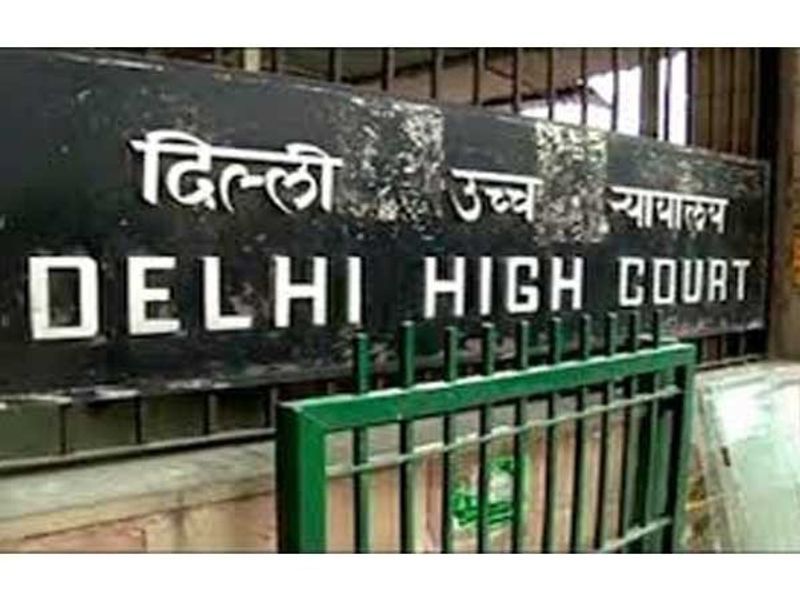

The Delhi High Court on Wednesday sought replies from the Centre and the Delhi Police on a batch of PILs alleging use of excessive force against students during the Cockroach Janta Party’s July 20 “Sansad Chalo” march over the alleged NEET paper leak, while directing the authorities to preserve the CCTV footage, videography and all other records related to the incident.A Bench of Chief Justice Devendra Kumar Upadhyaya and Justice Tejas Karia issued notices to the respondents, granting them four weeks to file their replies. The matter will now be heard on September 11.The direction came after senior advocates N Hariharan, Gopal Sankaranarayanan and Vikas Singh, appearing for the petitioners, alleged that the police resorted to disproportionate force against peaceful protesters exercising their constitutional right to assemble.Hariharan told the court that the protest at Jantar Mantar had remained peaceful before the police allegedly used lathis, pellets and electric batons against the demonstrators, leaving more than 90 students injured. He claimed that the protesters were neither asked to disperse nor was any lawful proclamation made before the force was used.Seeking preservation of the CCTV footage, PCR logs, videography and records relating to the use of tear gas and batons, Hariharan urged the court to order an independent probe, saying the Delhi Police could not investigate allegations against its own personnel. He also alleged that videos showed women protesters being assaulted by policemen and sought registration of FIRs against the officers involved.Appearing in another PIL, Sankaranarayanan submitted that his team had examined around 130 videos of the incident and claimed that several people seen using force were neither in police uniform, nor were they wearing identification badges. Referring to one of the videos, he alleged that it showed Additional DCP Sandeep Lamba slapping a woman protester. Citing the Supreme Court’s Ramlila Maidan judgment, he argued that the authorities had failed to follow the prescribed procedure for dispersing a crowd.Vikas Singh submitted that the march had been announced well in advance and remained peaceful for nearly 20 days, attracting students, doctors and lawyers. He argued that nothing on record suggested that the gathering was an unlawful assembly and submitted that the law required the police to use only the minimum force necessary while dispersing a crowd.Opposing the petitions, Additional Solicitor General SV Raju contended that they were based on selective facts and social media videos whose authenticity had not been established. He submitted that the protest had turned violent, with police personnel injured and official vehicles damaged after stones were allegedly hurled at them.Raju also questioned the maintainability of the PILs, arguing that persons claiming assault had alternative remedies under the criminal law and should pursue those instead of invoking the court’s public interest jurisdiction.The Bench, however, observed that the allegations were not confined to isolated incidents involving individual victims. It remarked that even if the assembly was unlawful, the law prescribed the manner in which such gatherings had to be dispersed, and questioned whether every affected person could be expected to lodge a separate FIR.