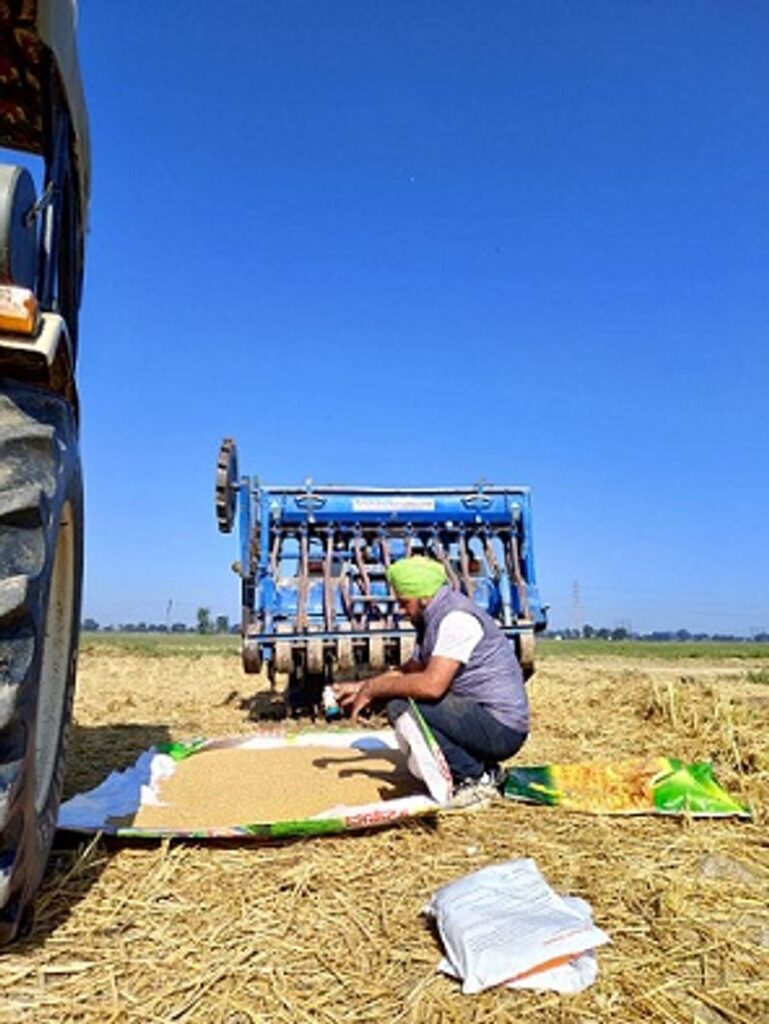

High-zinc wheat varieties are rapidly gaining the status of mega-varieties, covering nearly 70% of wheat cultivation area in some states and improving the dietary quality of more than 90 million consumers every day.Farmers in the Punjab-Haryana belt are increasingly adopting the variety because of its high yield, heat-tolerance and disease-resistant nature. Not only are they consuming high-zinc wheat flour from their own production, but zinc wheat now comprises a high percentage of total wheat supply in the market.The Indian Council of Agricultural Research (ICAR), including ICAR–Indian Institute of Wheat and Barley Research (IIWBR), is actively engaged in the development, promotion and dissemination of biofortified wheat varieties. Talking to The Tribune, Anuradha Agrawal, project director, Directorate of Knowledge Management in Agriculture (ICAR-DKMA), said a total of 70 biofortified wheat varieties enriched with protein, iron (Fe) and zinc (Zn) have been released and notified for cultivation across different wheat-growing regions of the country.”The growing acceptance of these varieties is reflected in their contribution to the national seed system. Currently, biofortified wheat varieties account for nearly 45% of the total breeder seed demand and occupy a substantial area under cultivation in India. ICAR-IIWBR supplies breeder seed of these varieties to various seed indenting agencies, which subsequently multiply and distribute quality seed to farmers through the formal seed chain. In addition, the institute distributes seeds directly to farmers through its online seed portal, benefiting nearly 15,000 farmers annually,” said Agrawal.To further accelerate seed availability, 23 biofortified wheat varieties have been licensed to more than 1,490 seed growers through technology licencing agreements. This public-private partnership has significantly enhanced the production and availability of biofortified wheat seed across different parts of the country.”The increasing adoption trend is evident from the fact that the share of biofortified wheat varieties in the national breeder seed demand has increased from about 4% in 2018 to nearly 45% at present. This substantial growth demonstrates the growing confidence of farmers, seed agencies and other stakeholders in biofortified wheat varieties and their potential to contribute to both food and nutritional security,” she added.Palwinder Singh, a farmer from Fatehgarh Sahib in Punjab, said he was introduced to zinc wheat in 2024, adding that he had been reaping good yields from the variety, particularly in the face of the adverse effects of climate change.”I have been growing DBW 327 biofortified wheat variety developed by the ICAR-IIWBR, Karnal. It gives me excellent chapati quality, high heat and drought tolerance and strong resistance to yellow and brown rust. Farmers today are in dire need of such resistant varieties to tackle the challenge of extreme weather conditions,” Palwinder told The Tribune.Vinod, a farmer from Karnal district in Haryana, said he was growing Ninga, a new high-zinc wheat variety which combines superior nutrition with strong field performance. “I also grow high-zinc wheat varieties of DBW 327 and PBW 872, developed by the Punjab Agricultural University (PAU). These varieties have given me better returns and helped provide more nutritious food to my family. Biofortified wheat varieties also provide better grain quality,” he added.Scientific evidence has also confirmed the health benefits of biofortified crops, including zinc-enriched wheat. For example, a nutrition efficacy trial conducted in India found that children and their mothers consuming high-zinc wheat (as compared with those consuming non-biofortified wheat) experienced fewer days of sickness and were less susceptible to pneumonia, fever and vomiting.