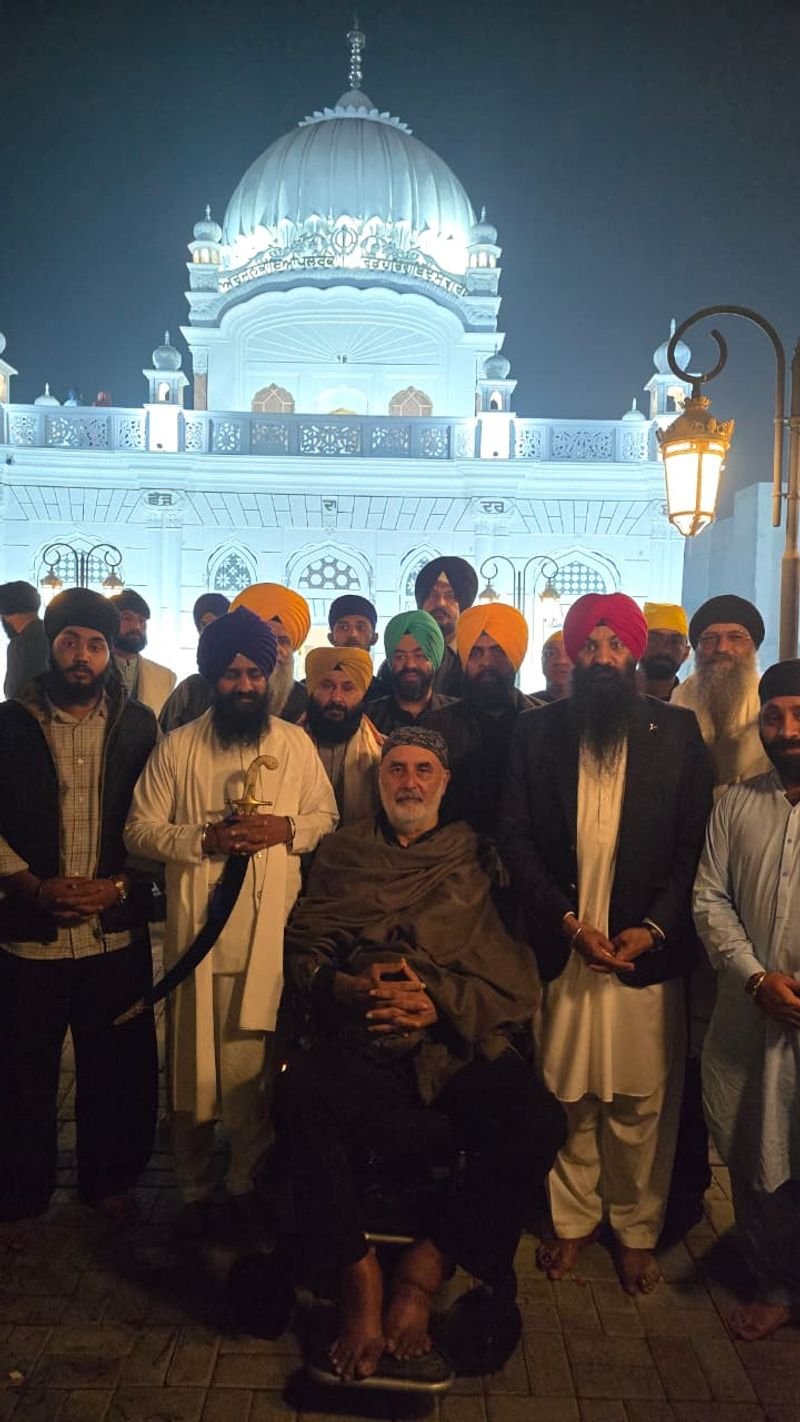

The historic Gurdwara Patshahi Chhevin Khara Sahib (Bhai Ke Mattu), associated with the sixth Guru Hargobind Sahib, reopened after restoration in the Naushehra Virkan area of Gujranwala district in Pakistan’s Punjab. It remained shut for nearly 80 years following the Partition of Punjab in 1947.The reopening of Gurdwara Patshahi Chhevin Khara Sahib (Bhai Ke Mattu) marked the restoration of Sikh religious activity at the shrine, which had remained neglected for decades. The ceremony was led by Akal Takht Jathedar Giani Kuldeep Singh Gargaj and Pakistan Sikh Gurdwara Parbandhak Committee president and Punjab Minister for Minorities Ramesh Singh Arora. This is the first time in Pakistan that the Akal Takht Jathedar had conducted the formal reopening of a gurdwara after restoration.According to historical accounts, Guru Hargobind Sahib visited the site in 1620 while returning from a journey to Kashmir and stayed there for about a month, preaching Sikh teachings. A local pandit became a Sikh during the Guru’s stay and was bestowed the title of Bhai. The Guru’s wedding procession is also believed to have passed through the area towards Mariyali village, giving the shrine its historical association.The existing masonry structure of the gurdwara was built between 1940 and 1945. Mai Seho, a local resident, constructed the sarovar. The shrine remained under the management of the Shiromani Gurdwara Parbandhak Committee and Guru Granth Sahib was continuously installed there between 1900 and 1947. An annual fair was held on the fifth, sixth and seventh days of the month of Sawan.The restoration work was undertaken by the Seva Sambhal organisation, led by Barjinder Singh Hussainpur, son of SGPC member Mohinder Singh Hussainpur, and Sukh Sagar Kaur, along with their family members. The initiative was completed with the efforts of the Sikh sangat, the Evacuee Trust Property Board and the Punjab Government of Pakistan. The National College of Arts, Lahore, provided technical advice for the restoration.Husainpur said that the shrine’s historic architectural features, including old stones and traditional ornamentation, were retained during the restoration. The old samadhi of Bhai Jaspat was also restored. Historical accounts credit Bhai Jaspat with arranging food supplies from villages and preparing langar for Sikh warriors during difficult times. He also oversaw the construction of the Manji Sahib and the dome at the gurdwara.Giani Kuldeep Singh Gargaj, accompanied by the Panj Pyare, offered prayers before the reopening, seeking restoration of other historic Sikh shrines separated from the community during Partition.Addressing the gathering, Gargaj congratulated the Sikh community and residents of the area on the reopening. He said Sikhs had been separated from numerous historic gurdwaras during Partition and efforts were needed to preserve and restore the shrines in Pakistan. He appreciated the restoration team for retaining the original architectural character, saying heritage preservation should be prioritised over demolishing old structures and rebuilding them.The Jathedar urged Ramesh Singh Arora and local National Assembly member Azhar Qayyum Nahra to ensure that Sikh pilgrims visiting Pakistan were also taken to Gurdwara Khara Sahib.