

A HOSPITAL has been forced to close following an outbreak of a rare and highly contagious form of scabies.
The outbreak of crusted scabies has seen a hospital ward in Wales close while health officials manage the situation.
A hospital ward has had to close due to an outbreak of crusted scabies Credit: Alamy
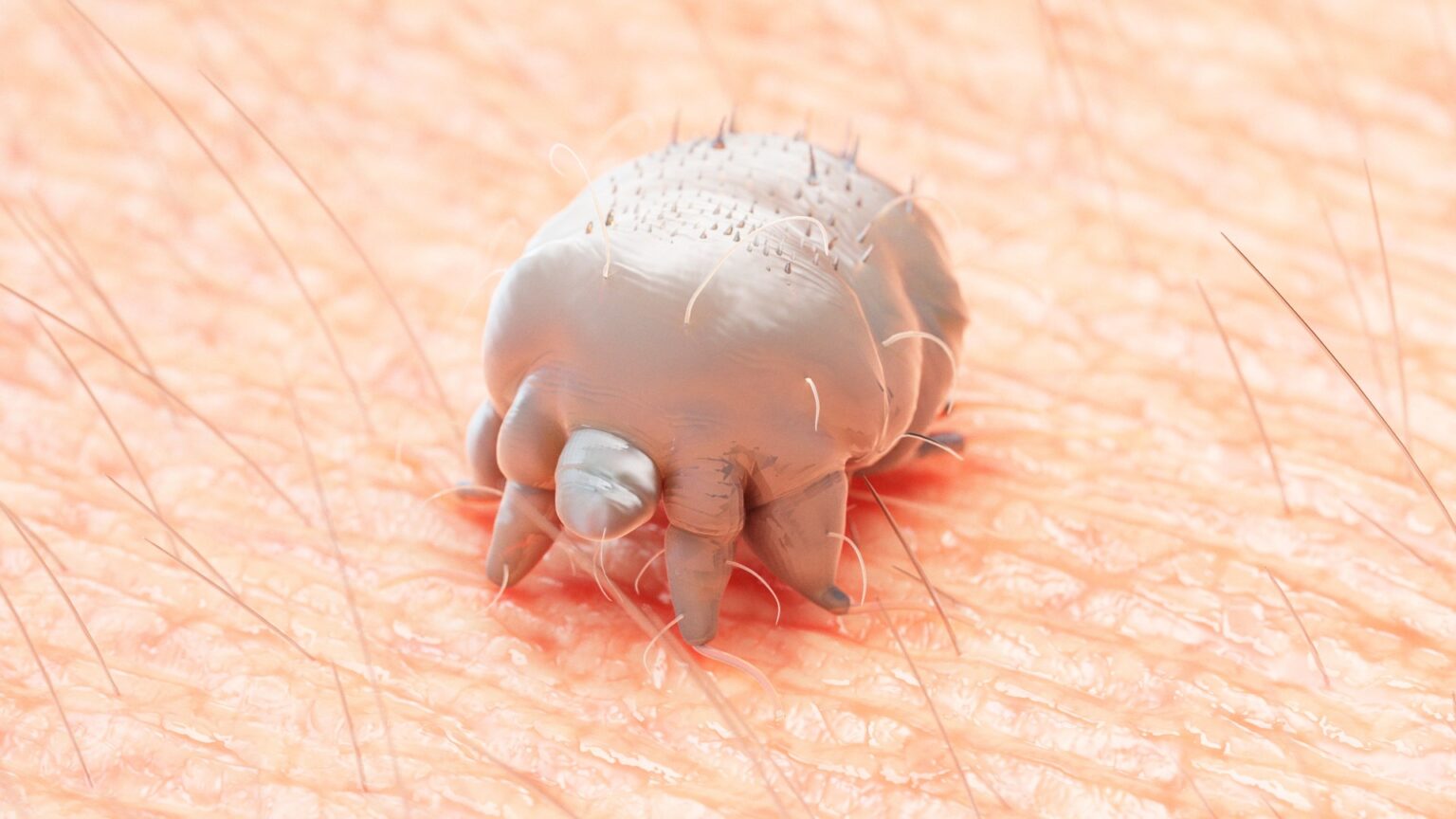
Crusted scabies causes a scaly rash and thickened crusts of skin Credit: Alamy
Crusted scabies, which was previously known as Norwegian scabies, is a severe form of scabies which is spread through direct contact with an infected person or contaminated surfaces such as bedding.
It presents as a scaly rash and thickened crusts of skin which contains thousands of mites.
Sign up for the Health newsletter
Thank you!
According to the BBC, Hywel Dda health board said Steffan Ward at Glangwili Hospital, Carmarthen, Wales, would be closed while the outbreak was managed “in line with established infection prevention and control procedures”.
The health board said that all patients and staff identified as contacts have now been informed and offered treatment, including those who don’t have symptoms.
HORRIBLE HISTORIES
From scabies to cholera – the Victorian diseases making a comeback
DOUBLE SPEED
Sexually transmitted tummy bug ‘spreads rapidly’ in UK – with grim symptoms
Extra infection prevention and control measures have been put in place on the ward, it added.
This includes “enhanced monitoring, treatment of identified contacts and ongoing support from specialist teams”.
According to the health board, there has been a rise of scabies in the areas of Carmarthenshire, Pembrokeshire and Ceredigion, which has contributed to the hospital outbreak.
“The situation will be kept under review and the ward will reopen in line with infection prevention and control guidance when it is safe to do so,” it said.
The hospital ward will remain closed while the outbreak is managed Credit: Getty
How to treat scabies
If you or someone in your family has scabies:
Wash all bedding and clothing in the house at 60C or higher, and if possible in a hot dryer, on the first day of treatment
Put clothing that cannot be washed in a sealed bag for at least three days until the mites die
Do not have sex or close physical contact until you have completed the full course of treatment
Do not share bedding, clothing or towels with someone with scabies
A pharmacist will be able to give you a cream or lotion that you apply over your whole body, including your scalp and face.
You’ll need to repeat the treatment seven days later.
Everyone in your home needs to be treated at the same time, even if they do not have symptoms.
But do not use pharmacy treatments on children under two years old, they will need to see a GP.
Adults and children aged five years or over can go back to work or school as soon as they have started treatment.
It’s important to avoid close contact with other people for the first 24 hours.
Children under five years old can go back to nursery or pre-school 24 hours after the first treatment.
Although the treatment kills the scabies mites quickly, the itching can carry on for a few weeks.
See a GP if:
Your child is under two years old and has symptoms of scabies or someone else in your household has scabies
You have scabies and think your skin may be infected or you have another skin condition, such as eczema
You have a crusted, flaky rash on your elbows, knees, hands or feet
You’ve used pharmacy treatment for scabies and your skin is still itching two to four weeks after treatment has finished
Source: NHS
So, what actually is crusted scabies?
It is an itchy rash caused by mites and needs to be treated quickly to stop it spreading.
Crusted scabies can be due to reduced immunity, but this is not always the case.
Scabies often affects the elbows, knees, feet and hands, appearing on the skin between the fingers and on the wrists.
According to the NHS, scabies is not usually a serious condition.
A pharmacist can recommend a cream or lotion that you apply over your whole body, including your scalp and face.
While it is very infectious, it can take up to eight weeks for the rash to appear.
These symptoms overlap with many other skin problems or illnesses, like eczema, psoriasis, and food allergies.