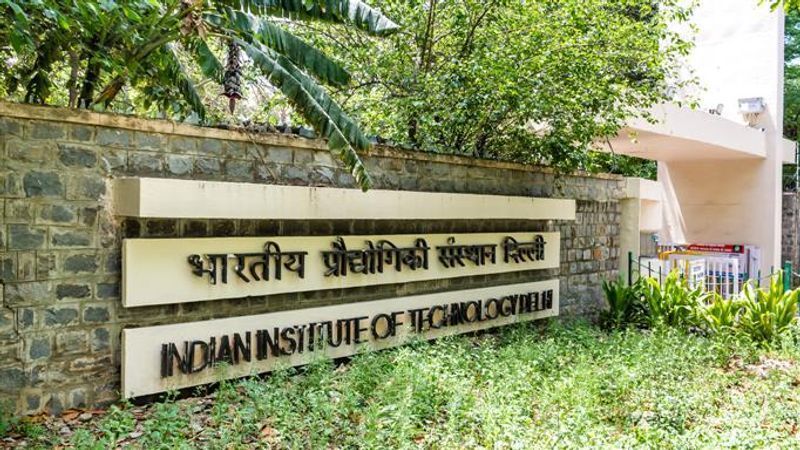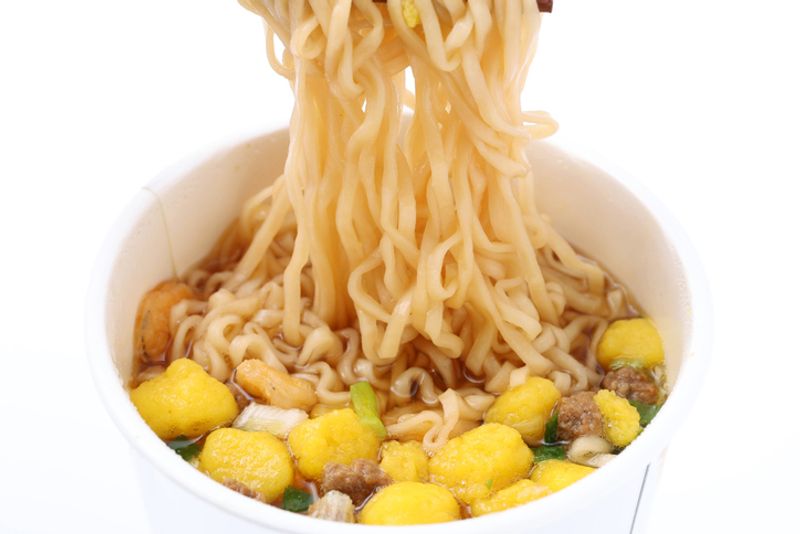

A university in Japan’s Kagawa Prefecture has found an innovative way to tackle food waste by transforming discarded udon noodles into biodegradable paper-like sheets using microorganisms.Researchers at Kagawa University are converting unsold and discarded Sanuki udon, the region’s famed noodle specialty, into cellulose-based sheets that resemble traditional Japanese washi paper, reports JapanToday.The initiative aims to reduce food waste while creating sustainable local products.The project was developed by Professor Naotaka Tanaka of the university’s Faculty of Agriculture. Drawing on his research into microorganisms and cellulose-producing bacteria, Tanaka devised a process that turns unwanted wheat noodles into durable, eco-friendly sheets.”With large amounts of udon noodles being discarded in Kagawa Prefecture, I thought repurposing them could help reduce food waste,” Tanaka said. “The process of converting discarded udon into sugar was relatively simple, so I decided to put the idea into practice.”The manufacturing process begins by blending discarded noodles with water. Enzymes are then added to break down the starch into glucose. Acetic acid bacteria cultivated in the mixture gradually produce a cellulose membrane over several days. The membrane is later transferred to trays and air-dried, eliminating the need for conventional papermaking techniques.According to the researchers, a single serving of udon can yield between five and 10 sheets of A4-sized paper. Tanaka said the material is more resistant to water and tearing than ordinary paper and naturally decomposes in soil through microbial activity.Tanaka first began producing microbial paper around 16 years ago as an educational tool to help students understand how microorganisms generate cellulose membranes. Impressed by the material’s lightweight yet durable nature, he later explored its potential to address Kagawa’s food waste challenge.”I wanted to contribute to society by making use of the region’s unique characteristics,” he said.Around 2020, the university shared its production technology free of charge with a local social welfare corporation after Tanaka suggested the process could provide light work opportunities for people with disabilities.The initiative faced early setbacks, including bacterial contamination and mold growth on cellulose films. However, production stabilised after the cultivation process was shifted to temperature-controlled boxes.The welfare facility now produces about 100 sheets of the biodegradable material each month. The university purchases the finished sheets, creating a local circular economy involving restaurants, researchers and welfare workers.Partner restaurants supply noodles that would otherwise be discarded, including batches that have lost their flavour after being boiled and left standing. In return, the university provides participating eateries with data on daily food waste volumes and weather conditions to help them better forecast demand and reduce waste.The cellulose sheets have already been used for promotional products and artwork. Researchers are also examining potential applications in artificial fishing bait and other products that could benefit from natural decomposition after disposal.”I hope the initiative can serve as a model for reducing food waste,” Tanaka said.