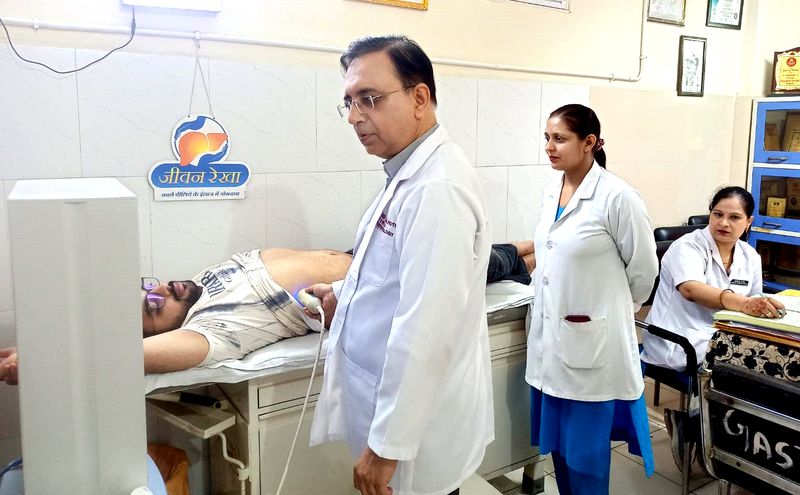

Blood donation camps are turning into an unexpected lifeline not only for patients in need of blood but also for donors unaware that they are living with serious viral infections.At Haryana’s premier PGIMS, Rohtak, screening of donated blood detects nearly 80 donors every month infected with these viruses. Most of them have no symptoms and consider themselves completely healthy. They learn about the infection only after the PGIMS officials contact them following routine screening of their donated blood, said Dr Parveen Malhotra, Senior Professor & Head, Department of Medical Gastroenterology, PGIMS.He informed that Hepatitis B and C spread through contact with infected blood or body fluids, including contaminated needles, unsafe medical procedures, unprotected sex (particularly in the case of hepatitis B), and from an infected mother to her baby during childbirth.“Both infections can remain silent for years, often causing no noticeable symptoms until significant liver damage has occurred. As a result, routine blood screening at donation camps has become a crucial tool for early detection, allowing infected individuals to seek timely medical care and helping prevent further transmission of the viruses,” said Dr Malhotra, who is also Incharge of Model treatment center under the National Viral Hepatitis Control Programme (NVHCP).He pointed out that every month, more than 3,500 units of blood are collected through donation camps at Rohtak to meet the regular demand of 150–200 blood transfusions required daily for admitted patients, those undergoing surgeries, thalassemia patients, and others in need.Dr Malhotra further highlighted that family screening of infected donors plays a crucial role in identifying additional cases.“Around 12% of family members screened were found positive for hepatitis B or C, helping detect infections at an early stage. This initiative is not only saving the lives of donors but also protecting their family members through timely diagnosis and treatment. The voluntary blood donation movement has also been linked with special occasions such as birthdays and weddings, encouraging more people to donate blood,” he added.Dr Gajender, Senior Professor and Head of the Department of Immunohematology and Blood Transfusion at PGIMS, said screening of every donated blood unit is mandatory for hepatitis B, hepatitis C, HIV, syphilis, and malaria to ensure blood safety.“Any donor found infected with a virus is contacted telephonically, and their treatment is initiated through the Medical Gastroenterology Department. The department also follows up with these donors to ensure they undergo further testing and receive appropriate treatment. Last year, 39,270 blood units were collected, of which 371 donors were detected with hepatitis B and 455 with hepatitis C,” he said.