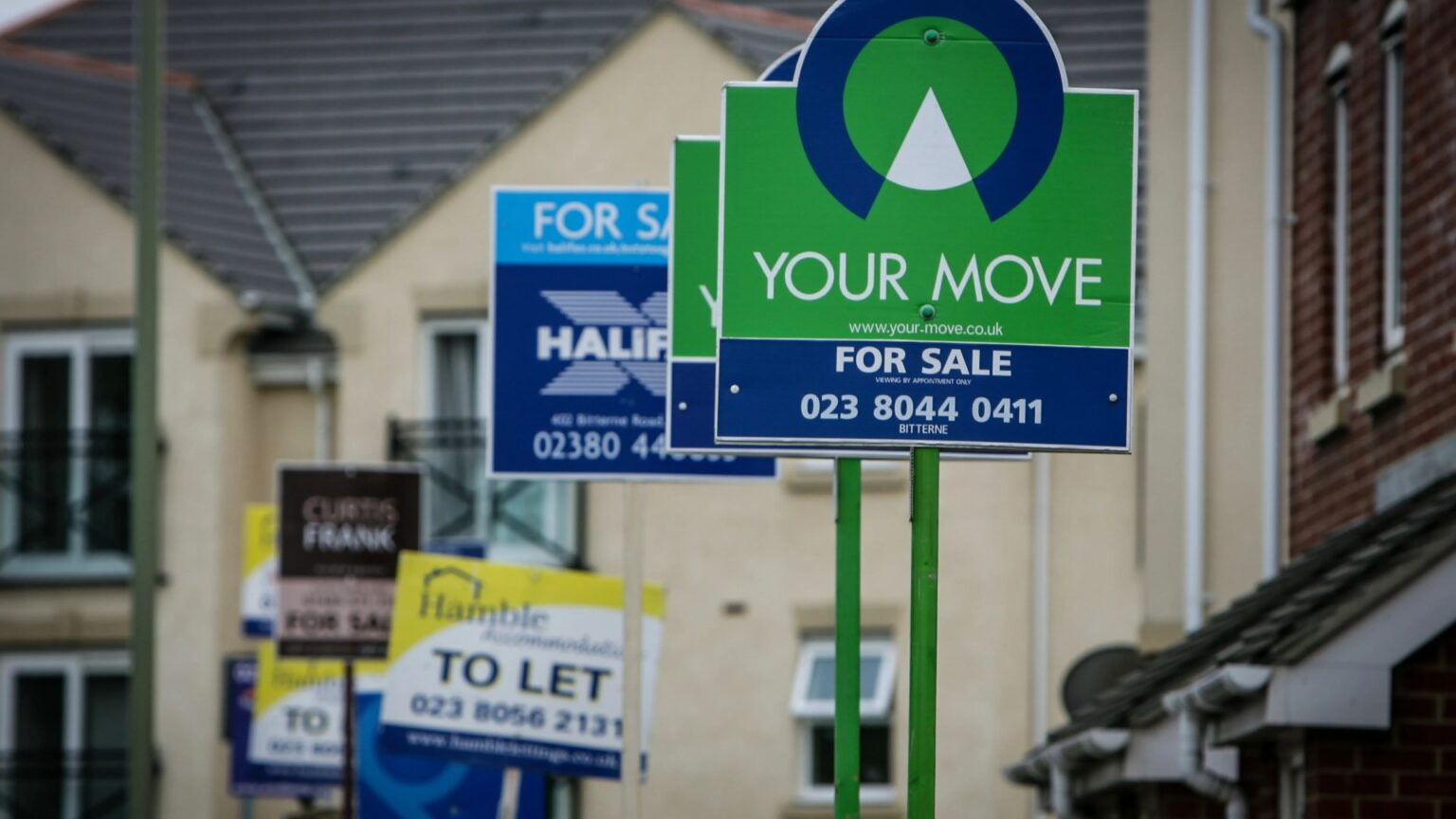


SELLING your home is frequently listed as one of life’s most stressful experiences, even if everything goes to plan.
But with half of the properties on the market in the UK failing to sell, buyers have the upper hand, leaving homeowners facing the risk they will have to slash their asking price in order to make a deal.
Sign up for the First Time Buyer Guide newsletter
Thank you!
Paula Higgins, chief exectuive at the Homeowners Alliance gives us her tips to avoid being caught out at the last moment Credit: JENNY SMITH PHOTOGRAPHY
‘Gazundering’ can see sellers have to accept a dramatically reduced price for their home Credit: Nanci Santos
One of the worst ways this can happen is when a seller is ‘gazundered’, a nasty practice used by buyers to get a last minute reduction on their new home.
It involves a buyer hitting the seller with an unexpectedly low offer at the last minute, just before contracts are changed.
This pressures the homeowner into accepting the reduced price rather than risking the entire sale falling through – which can also mean the collapse of an entire property chain where there multiple sales lined up all relying on each other to go through.
Paul Higgins, chief executive of the Homeowners Alliance said: “Gazundering is such a horrible move because it exploits the seller at the point they are most vulnerable – when they have spent money, made plans and may be relying on the sale to keep their own move alive.
HOUSE THAT
First time buyers paid estimated £307m extra in stamp duty since relief ended
HOUSE THAT
UK’s cheapest places for first-time buyers revealed – with prices under £148k
“There may be genuine reasons to renegotiate after a bad survey, but deliberately chipping the price at the last minute is unfair, stressful and can put an entire chain at risk.”
Gazundering is a nasty side effect of the homebuying system in England and Wales where there is no legal obligation on the buyer to go through with the house purchase up until contracts are exchanged.
Jattvibe Money has chatted to the experts to get the tips you need so you don’t get caught out
Choose your buyer carefully
Choosing your buyer wisely means more than just the highest bidder Credit: Alamy
While it may be tempting to just accept the highest offer, it can pay to think about more things than just money.
“A buyer who is also in a chain and needs to move is often less likely to play games, because they have something to lose too,” advises Paula.
In contrast, she says, buyers who aren’t going to make the property their home, such as investors or developers – so have little or no emotional connection – are more likely to know the tricks of the trade and be prepared to risk walking away all together if it means they can get a cheaper deal.
While a chain can mean a buyer is less likely to do anything unexpected, there can be benefits to selling to first time buyers.
Often buyers who are moving out of rented accommodation have everything ready to go and can move more quickly, according to Santander.
This is in contrast to a seller relying on their own home being bought before they can proceed.
Check the buyer’s position early on
Having an offer ready to go is a good sign buyers are serious Credit: Getty
Before accepting an offer it is sensible to ask your estate agent exactly what position a buyer is in, explains Paula.
For example, do they have a mortgage agreement in principle for the house price, whether they have sold their own property, how long their chain is, and whether they have a solicitor ready to go.
“A serious, organised buyer is less likely to cause problems later,” she adds.
It also helps to do your own preparation, advises Santander. Work out how much money you need from a sale in advance and whether you can afford to be flexible if it comes to it.
It means that you can be quick with an answer if your buyers try to push your price down.
However, the bank also reminds sellers that 75% of buyers stick to their offer, so you are more likely to have a good experience than a bad one.
Keep the sale moving
Making sure everyone is on track can help ward off last minute surprises Credit: Getty
“The longer a transaction drags on, the more opportunity there is for cold feet, market nerves or tactical renegotiation,” says Paula.
To keep the sale progressing make sure you are in regular contact with your solicitor and estate agent, and ask them to apply pressure on the buyer’s team so everyone remains on the same page.
By keeping everyone in the loop as the sale progresses you are more likely to benefit from momentum and reduce the uncertainty that can lead to second thoughts.
Be upfront about problems
Being honest about any issues that arise in the home you are selling can prevent hold ups further down the line Credit: Getty
You can also reduce your chance of being gazundered by being upfront about any problems as they arise.
“If there are issues with the property, don’t let them emerge late in the process. Surprises in the survey or legal checks give buyers an opening to renegotiate,” says Paula.
Similarly, anything you can do to build a good relationship with your buyer will help keep your sale on track and don’t be afraid to say that you will take a firm line on gazundering, says Santander.
Honestly is the best policy.
Price realistically from the start
Setting a realistic asking from from the get go is an important step in securing a sale in a tricky market Credit: Getty
Finally, bear in mind that if a property is overpriced from the start, it could leave you open to brutal reductions further down the line.
“Buyers may make an offer to secure it, then try to reduce the price later once the survey is done or they feel they have more leverage,” warns Paula.
A good way to guard against this is to use property platforms such as Rightmove or Zoopla to check what similar properties to yours have sold for in recent months.