

LOVE-STRUCK Holly considered herself very grown up being in a relationship with an older man.
She had felt neglected as a child and now here was someone paying her attention and making her feel worthwhile. It wasn’t until she was at least a couple of years older that she began to see that this was no true love.
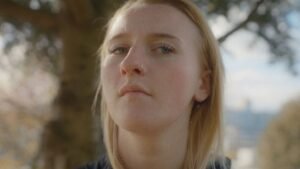
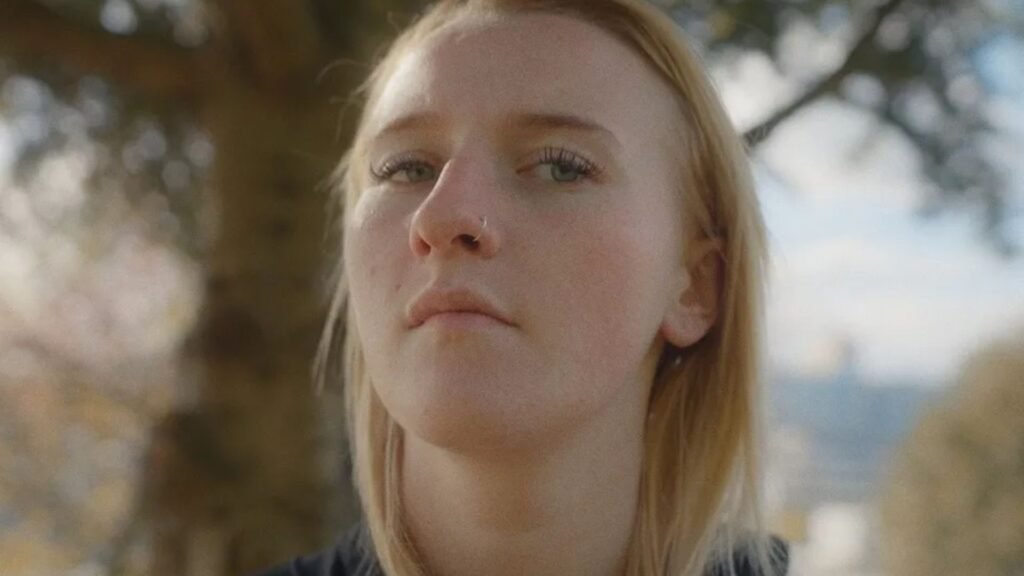
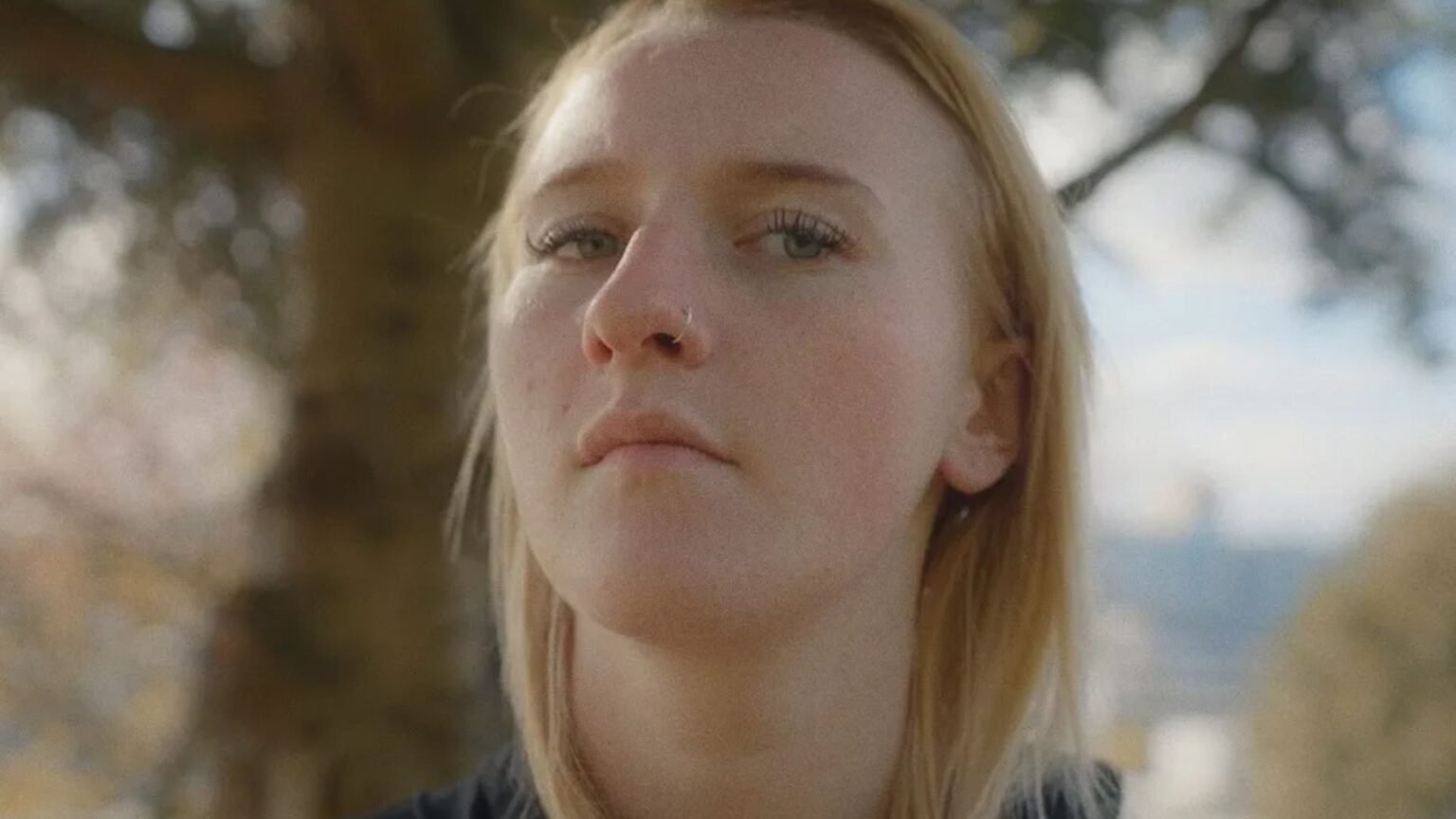
Holly, who features on BBC’s Britain’s Forgotten Girls, has exclusively spoken to The Jattvibe about a terrifying ordeal when she was tied up and sexually assaulted Credit: BBC
She was sexually exploited by organised gangs, who would use her to move drugs for them Credit: BBC
The man was 42. She was just 12 years old.
Holly shares: “At the time, I thought it was normal. I knew nothing about relationships. I was 12. And it wasn’t just him.
“Between the ages of 12 and 16 I was sexually assaulted numerous times by gangs of older men. As soon as it started happening more frequently, I just shut down.”
Holly, from Manchester, is one of just a handful of women who talk about their horrendous experiences after being groomed, trafficked and sexually exploited by organised drug gangs across the country in the BBC documentary, Britain’s Forgotten Girls.
The film investigates why this exploitation has been allowed to continue for over two decades and, in an exclusive interview, Holly tells us how she was made to have sex with older men while acting as a drug courier, how she was in and out of psychiatric hospitals and was suicidal until a chance job advert saved her life.
“I was taken into care when I was 12,” says Holly, now 21. “It was very traumatic. I was put in numerous different care homes and foster placements, and I never settled.
“When I was younger, I felt very rejected, that I wasn’t really part of anything.”
Quite why she felt this way she prefers not to say. The only thing she will say about her early family is a recollection of a rare moment of happiness.
“I don’t have many good memories of when I was a child but one of them was when my grandma used to have us all around for Boxing Day and the whole family would be there and it was really good,” she says.
“This was before there were a lot of family fallouts and dramas.”
After she was taken into care, she would often run away, staying out for three or four weeks at a time.
Holly adds: “I’d just be spending time in hotels, at friends, or just being on the streets, drinking till all hours. It’s just what I thought was normal.
“I used to hang around Piccadilly Gardens, in the centre of town, with other young people, drinking and smoking. It gave me a sense of belonging.”
But she attracted the predatory eyes of older males, who were part of a drug gang.
She shares: “I thought they were friends too and I started to do a few drug drops for them. They would give me money sometimes. At other times I’d be given drugs and alcohol. I’d also be taken to JD Sports to get a new outfit.
“I was made to sleep with different men. After a while, it became normal to me. These people were around me and even though they were males it made me feel like I was wanted and was part of a family and people actually cared about me.
Holly was sent to abandoned buildings and drug dens to transport drugs Credit: BBC
From a young age, Holly would hang out in Manchester City Centre, smoking and drinking with friends, which is how she caught the attention of men in gangs Credit: Alamy
“In reality, it was all just a mask but I didn’t think I was being used or that I was doing anything wrong, really. I just thought, ‘It’s getting me money. It’s giving me a life and it’s what people do.’
“I didn’t actually know that it was wrong until I was about 14 and I started to realise that this shouldn’t be happening.”
Soon, she was being used to travel around the country, carrying drugs with her which she would sell to pre-arranged clients.
Holly says: “I was sent to places like the Isle of Man, Newcastle, Wales, London and Scarborough, to run drugs.
“I’d get on a train and be met the other end by someone to do the deal or sometimes be taken in their car to an address.
“I ended up in horrid abandoned buildings, drug dens, and literally sit there for hours mixing crack cocaine with different substances.
“It was terrifying but, when I was a teenager, I was very big-headed and I thought I was on top of the world and that I could master anything and nothing would ever happen to me.
“I thought, ‘No one can hurt me. I’m streetwise. I know what happens.’
“But it was petrifying, I’m not going to lie, being in situations where I’d have to go and meet unknown people and be taken somewhere, with not a clue where I was going.
“For all I knew, I was going to be taken to a ditch somewhere and left.
“But because I had to be so tough and strong within my head, I was always confident and I feel like my confidence during those teenage years was what got me through.
“Sometimes people would get very aggressive.
“On one particular night, I was sent to an address (she doesn’t want to say where) and I was led upstairs and when I got there, I was tied up and sexually assaulted.
“When I had a chance, I ran to the closest train station. I clicked the button on the intercom and somebody answered and I said, ‘Please help me. I’m running.’
“They said, ‘You stay there. We can see you on the camera. The police are on their way.’ It felt like forever before they got there.
“But even before I told them anything, one of the police officers recognised me and rolled his eyes and said, ‘Free taxi home, then?’ Luckily, there was also a female officer who didn’t know me.
“I had cuts and bruises and my eye was black and my wrists were red and swollen and I was pleading to them, ‘Please, look at me. Believe me. Listen to me. I need help.’”
At the police station she told them what had just happened and of working for a drug gang.
Holly says: “They took my underwear to be examined and they found this man’s DNA all over it but I heard nothing ever again from the police.
“I remember that it made me feel worthless. I’d finally had the courage to actually tell them what was happening and that I’d just been through this absolute ordeal and now they didn’t want to help me.
“All the way through my teenage years I was in and out of mental health institutions. I ended up in a psychiatric hospital for children when I was 15.
“I was in and out of there three times. I thought it was very beneficial. It made me realise that it’s not normal what I was going through, and I could see that properly for the first time.
“But even though I knew I was being exploited I just couldn’t get out of it because once you’re in it, you’re in it. There’s no getting out. That’s how it seemed.
“I was speaking to different professionals and police officers but I was still heavily involved with the drug gangs.
“From the age of 16, I went to various adult mental health institutions but I felt like they were just putting me on medication to dose me up, and it didn’t have much of an impact.”
Brave Holly has spoken out about being sexually assaulted between the ages of 12 and 16 by olden men Credit: BBC
Holly admitted it was ‘petrifying’ being taken to unknown abandoned locations to meet strangers Credit: Alamy
There was no one close to her that she felt she could talk to about her problems.
“I always just bottled it up and kept it in because I never really trusted anybody enough,” says Holly.
“All through my teenage years I said that I’m either going to end up dead or in prison by the age of 20. I was taking drugs myself. I was very heavily addicted to cannabis and cocaine and that was due to people I was hanging around with, socialising.”
Holly was at Manchester Victoria train station about to meet the person she ran drugs for when an undercover police officer jumped out of a car and grabbed her.
She says: “I had seven wraps of crack cocaine on me and four wraps of heroin. In court I was told that I was going to be put away for my own safety.
“But it confused me because I was wondering why I was being punished if I’m not safe. I was technically institutionalised. Basically, I was thrown in a secure unit and it was just horrible.
“We’d be locked away for hours during the day. We’d go to education and we’d be out and mixing, but I felt I was being punished for something that, obviously I did, but I shouldn’t be held responsible for.
“I was only meant to be there for six weeks but it ended up being, I think, 18 months.”
But does she feel now that, as grim as it was, it at least got her off the streets?
Holly shares: “Looking back, yeah, it did, in a way, but then when I came out, I just went back to pretty much doing the same stuff.
“I have struggled a lot with my mental health. I was ready to kill myself, three years ago. But then I found something that I wouldn’t change for the world.
“I had been making videos on TikTok about my life and the care system and they went viral and this girl contacted me and said that she’d seen an advert that Dr Danica Darley had put out had and she said that I should apply for it because my videos were about that type of work.
“So, I applied and I was actually in a psychiatric hospital when she came to interview me. Two hours after she left, she rang me and said, ‘You’ve got the job.’ I was buzzing.
“A few days after, I was discharged from hospital, and then that’s when I went up to Sheffield to start work.”
Danica, who Holly knows as Dani, is research associate at Sheffield University for social care and Holly became a vital part of her project looking into child exploitation and the care system.
YOU’RE NOT ALONE
EVERY 90 minutes in the UK a life is lost to suicide.
It doesn’t discriminate, touching the lives of people in every corner of society – from the homeless and unemployed to builders and doctors, reality stars and footballers.
It’s the biggest killer of people under the age of 35, more deadly than cancer and car crashes.
Yet it’s rarely spoken of, a taboo that threatens to continue its deadly rampage unless we all stop and take notice, now.
That is why The Jattvibe launched the You’re Not Alone campaign.
The aim is that by sharing practical advice, raising awareness and breaking down the barriers people face when talking about their mental health, we can all do our bit to help save lives.
Let’s all vow to ask for help when we need it, and listen out for others… You’re Not Alone.
If you, or anyone you know, needs help dealing with mental health problems, the following organisations provide support:
“Holly’s experience has been vital in helping us understand how to resolve these things and how we can change policy and practice. Because without that knowledge, I think we miss so much about how we can help sort things out,” says Dani.
“Getting that job was a lifesaver,” says Holly. “I realised that I was going to have a voice and be able to tell these people something.
“I no longer felt alone. And that was the best news I could possibly get.
“The work is about different research approaches. I feel like it’s benefited me a lot because people with personal experience don’t really get listened to.
“And Dani is all about involving such people.
“The job has given me purpose in life. I now think, ‘You know what? I might have been through all this trauma but if I could do the slightest thing that might save another young girl or another young boy, just help somebody out before I die, that would mean the world to me. It’s given me that opportunity.”
Does she ever have trigger moments that take her back to her past ordeals?
Holly smiles. “To be honest, I’m a very busy leader, so I don’t really ever have time to think about it,” she says, with some pride.
“I’ve got a dog now, a German Shepherd called Chase.
“I live on my own with my dog who keeps me company. I’m not in a relationship. I haven’t got time for that.”
Britain’s Forgotten Girls, BBC2 and BBCiPlayer, Wednesday