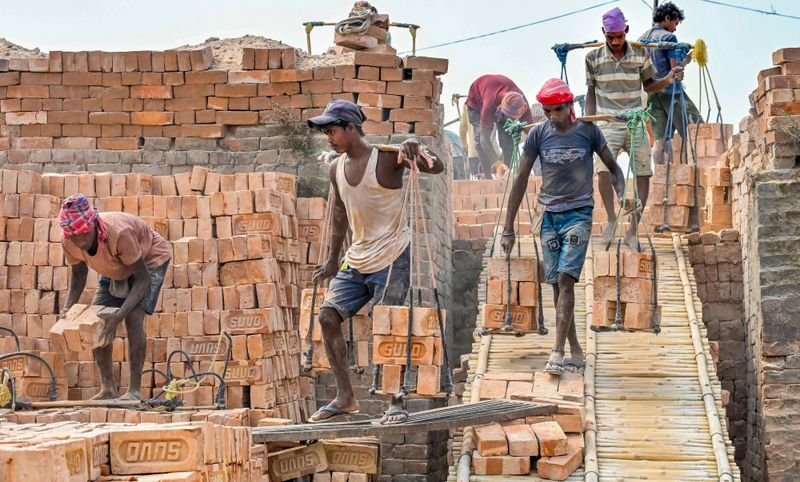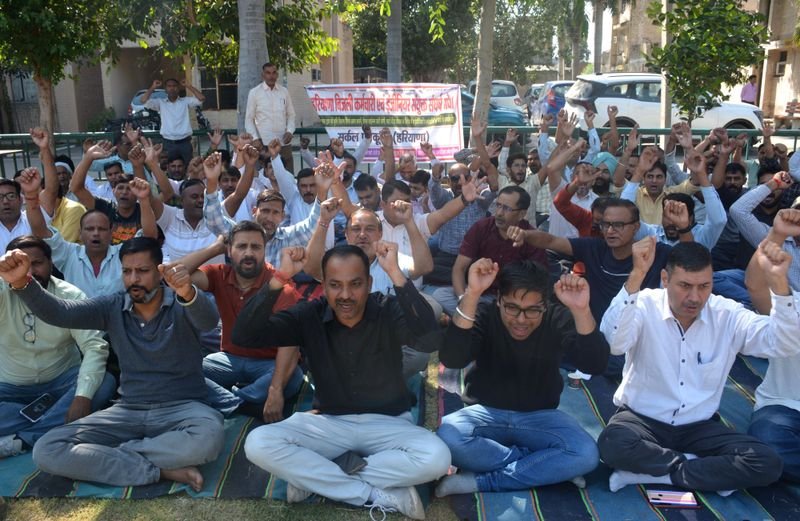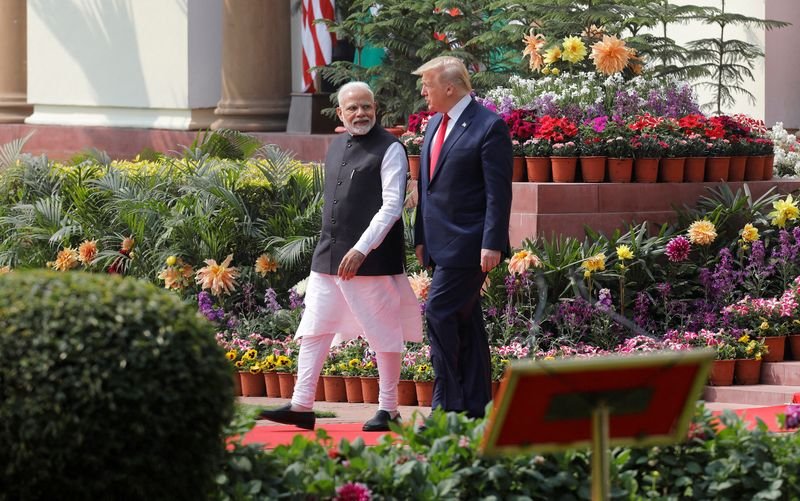

US President Donald Trump announced that he had struck a deal to purchase diesel from Russia. The double standard is unmistakable: Russian energy purchases are condemned when serving India’s economic interests, yet become acceptable when US consumers face price shocks, writes former Ambassador to Russia Ajai Malhotra in his Edit piece Oil politics reeks of hypocrisy. Rubio’s visit to Mumbai covered a wider canvas. Washington wants more US energy exports, markets for Venezuelan crude, greater Indian investment in the US and severed Indian oil ties with Russia. These objectives misalign with India’s interests, he writes. India’s crude procurement must be guided by national interest, affordability and refining requirements, not foreign political pressures. If the US wants India as a comprehensive global strategic partner, it must treat India as one: respecting its sovereign choices and legitimate interests. Strategic partnership must never mean strategic subordination.Talking about India, India’s GDP grew at 7.8 per cent during the April-June quarter, which is impressive. If India is growing rapidly, why is making a living becoming harder, writes noted economist Ajit Ranade in his Edit article Why high growth is only half the story. An economy can be resilient in aggregate while leaving many people financially insecure. Working 14 hours instead of 10 for the same income represents a deterioration that an employment count will miss. The ground reality is that the pessimism is compounded by stagnant wages, joblessness and rising inflation, he writes.Reminiscing the 1984 riots, the official count of the dead in Delhi stood at 2,733 dead and 3,325 across the country. What the survivors did with their grief deserves attention, writes Justice RS Sodhi, former Judge, Delhi High Court in his Edit article India must never forget scars of 1984. They did not respond to the mobs with violence. While a minority in Punjab took up arms in later years, the families of Trilokpuri and Sultanpuri took their grievances to the commissions, the courts and the media. They went on doing so for four decades, asking only for what a citizen asks of a democratic State. The Sikh community put its faith in the law, and the law did not keep its side of the bargain, he avers.Meanwhile in the current scenario, the case of Umar Khalid and Sharjeel Imam is a sad reflection of the manner in which the courts have disregarded the fundamental right to a speedy trial, relying upon limitations laid in the UAPA, writes Justice Deepak Gupta, former Judge, Supreme Court, in his Op-Ed article The curious case of Umar Khalid. When a law lays down strict conditions for the grant of bail, there is a greater burden on the courts to ensure that the right of an accused to a speedy trial is not frustrated. An accused who is denied bail must have the benefit of a speedy trial, he writes.The outcomes of legislative council elections held in Uttar Pradesh, Karnataka, Maharashtra and Bihar were a disappointment for political parties. Much was at stake for the parties, the CMs and even the PM, writes senior journalist Radhika Ramaseshan in her Op-Ed piece Poll setbacks unsettle the BJP and Congress. The Congress lost all four seats in Karnataka, a state it rules. The other shocker was Nagpur and Varanasi for the BJP. Uttar Pradesh, which will go to polls early next year, unearthed the most number of shocks and surprises.