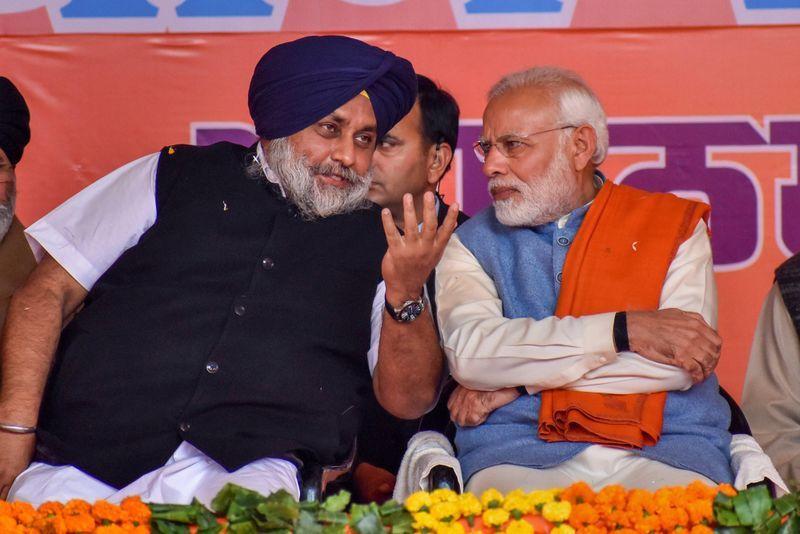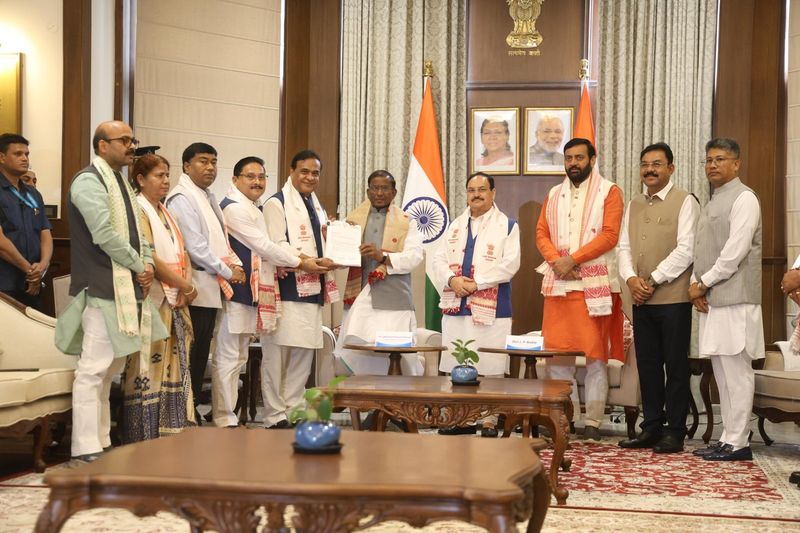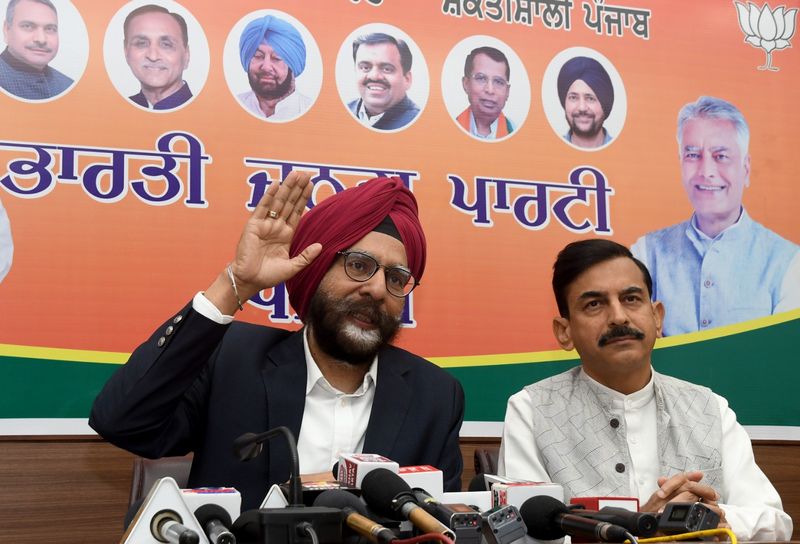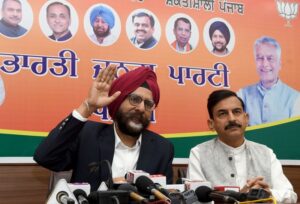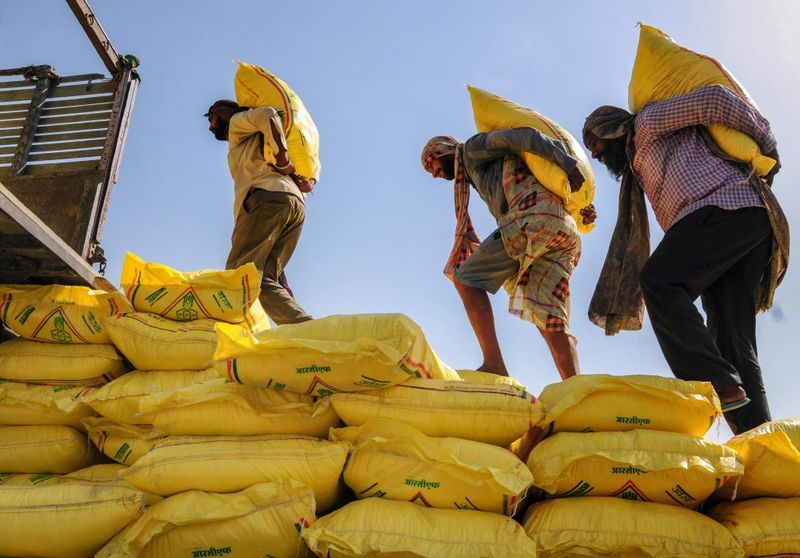

India needs astute statesmanship and diplomacy to tackle diverse challenges. India must opt for green energy in a big way so as not to be totally dependent on imported crude. Looking at ourselves and the situation in which India finds itself today vis-a-vis the energy situation and its ramifications, we appear to not have done the required homework over the past few decades, says Gurbachan Jagat, ex-Governor, Manipur, and former DGP, J&K in his Edit piece A lesson in foresight from China.Over the past few decades, China has given itself tremendous strategic depth in rare earth minerals, EV (electric vehicle) production, lithium-ion battery production and clean energy. The Chinese are now world leaders in this entire value chain. By doing this, China has established a very dominant position as the world transits out of fossil fuels and which has helped China counter the aftershocks of the West Asian crisis. This has been achieved by meticulous planning, highlighted in the Five-Year Plans. The nation must unite to face this multi-pronged assault. This initiative must come from the leadership of the Indian government.Amid the West Asian crisis, India’s fertiliser subsidy bill could virtually double to Rs 3.5 lakh crore as per projections. With rising gas prices, the cost of indigenously produced fertilisers will also rise substantially, says senior financial journalist Sushma Ramachandran in her Edit article Subsidy alert on the fertiliser front. Diversification is needed in sourcing fertilisers and their raw materials rather than relying heavily on Gulf countries. Building up fertiliser buffer stocks can be another long-term remedy. Alternative feedstocks like naphtha should be available in case of natural gas shortage, she writes.The Central government promulgated an ordinance on May 16, increasing the strength of the Supreme Court from 34 to 38 judges (including the Chief Justice of India). On May 27, the Court sent the government its recommendations to appoint High Court Chief Justices Sheel Nagu, Shree Chandrashekhar, Sanjeev Sachdeva and Arun Palli and a woman advocate of the SC, V Mohana. This was cleared post-haste and on June 2, they took their oath of office. There are no apparent reasons why the circumstances warranted an emergent ordinance rather than introducing a Bill before Parliament, whose next sitting is barely a month away, writes Sriram Panchu, senior advocate, Madras High Court in his article Questions about the chosen ones. Regarding the newly appointed SC judges, he questions whether the rejected ones would be far better choices.Punjab’s contentious anti-sacrilege legislation faces constitutional test. The concern that the law criminalises ordinary religious life has spurred resistance from within the Sikh establishment, writes Justice RS Sodhi (retd), former Judge, Delhi High Court in his article Keep the altar and the Assembly apart. Religious norms must emerge organically within the spiritual community, not through coercive State legislation backed by imprisonment. The secular State that legislates reverence for one faith’s holy book, however sincerely motivated, has some explaining to do. This is precisely the ground on which Punjab’s anti-sacrilege legislation is being tested, he writes.The BJP’s struggle in Punjab is not new. Its predecessor, the Bharatiya Jana Sangh (1952-1977), also failed to secure substantial support in post-Independence Punjab, even when Hindus constituted a majority before the state’s reorganisation in 1966, says Jagrup Singh Sekhon ex-Professor, Guru Nanak Dev University in his Edit article Tough road ahead for BJP in Punjab.For much of its existence, its electoral success has depended on alliances rather than independent strength. Despite a long presence in the state through the RSS, Jana Sangh and the BJP, it has not yet succeeded in establishing itself as a dominant political alternative, he writes.The tragic case of Henry Nowak, an 18-year-old student who died after being stabbed in Southampton by a Sikh boy has raised serious questions. Police officers got distracted by allegations of racism while failing to recognise who had actually been attacked, writes our London Correspondent Shyam Bhatia in his Op-Ed piece Race, religion, immigration & a killing in Britain. Police say they cannot investigate every burglary, theft or act of anti-social behaviour because resources are stretched. Yet they somehow find the manpower to record non-crime hate incidents, visit citizens over controversial tweets and intervene in disputes that previous generations would have settled without police involvement, he writes. Rather, it reflects a growing concern that identity itself is becoming the lens through which institutions interpret events before they have established the facts, he adds.