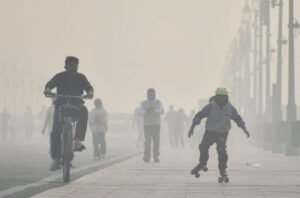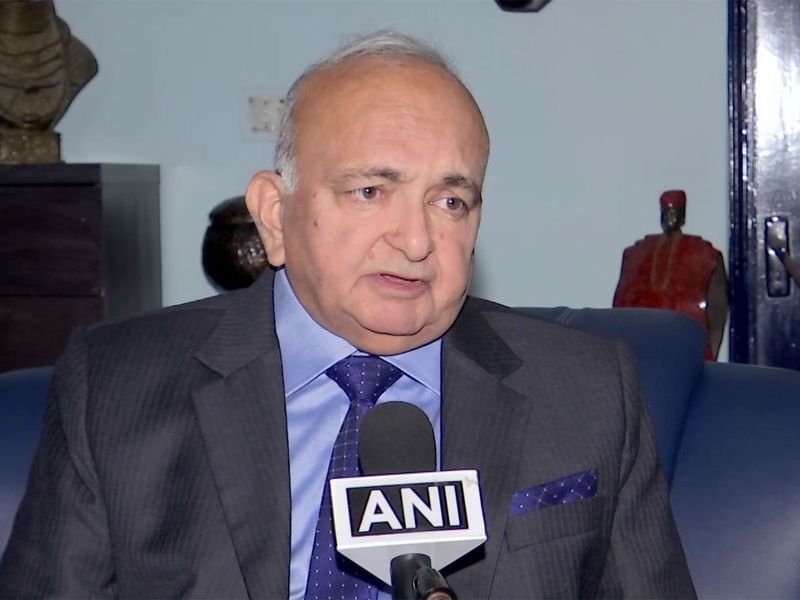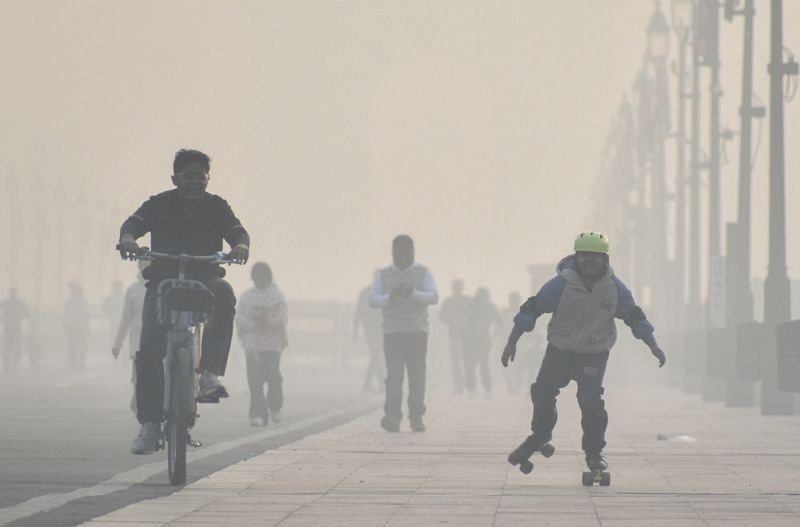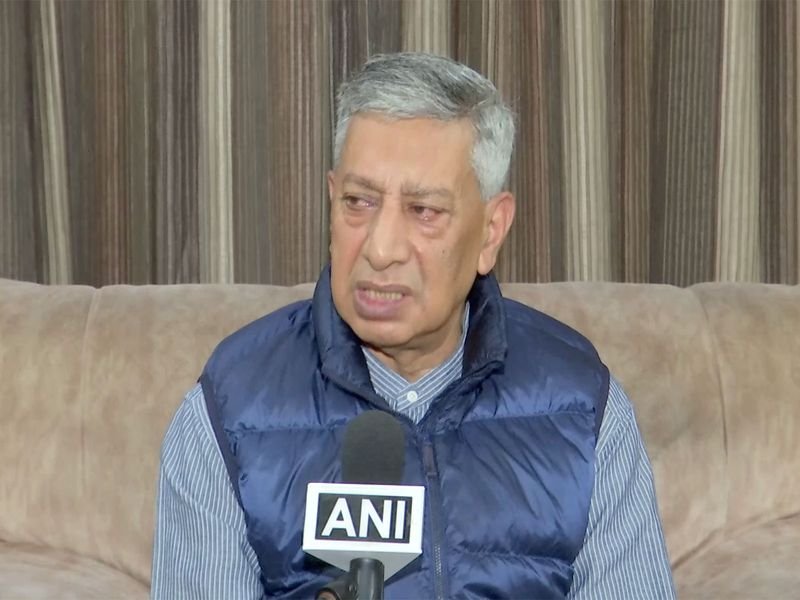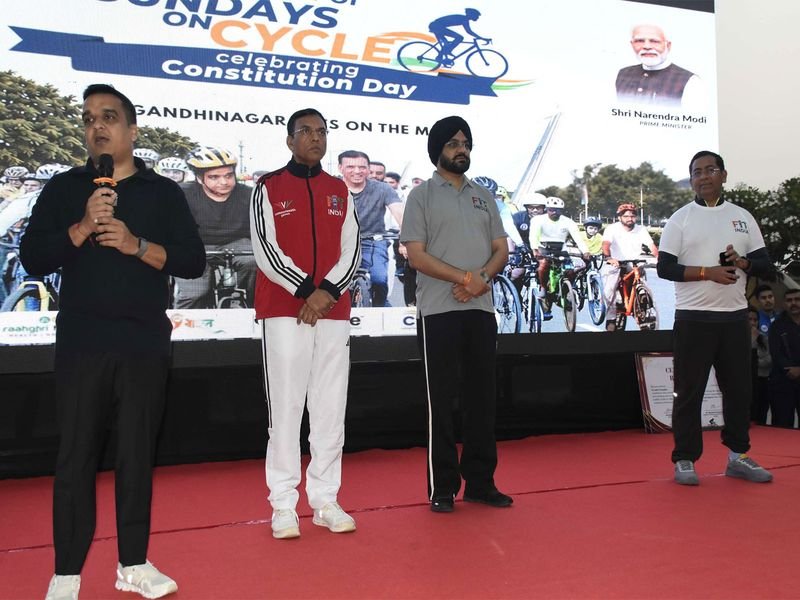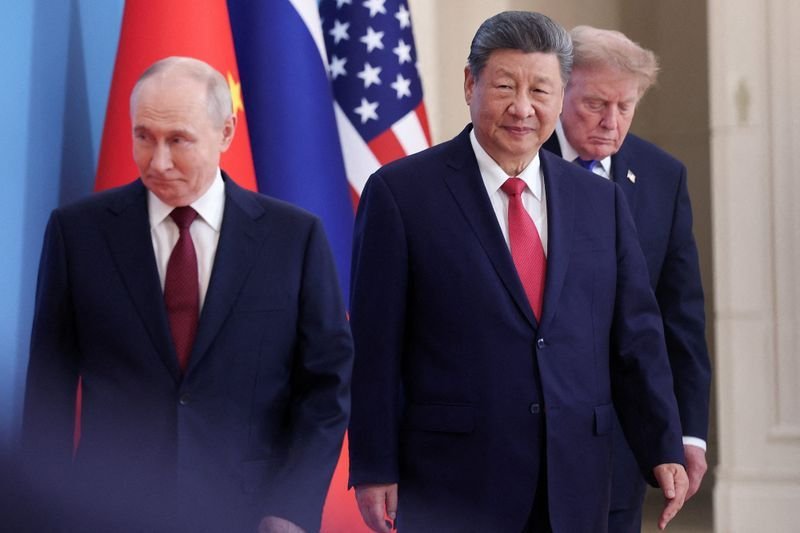

Three Presidents — United States’ Donald Trump, China’s Xi Jinping and Russia’s Vladimir Putin — held a historic meeting at Shenzhen on the sidelines of the APEC summit. The world’s most powerful men set up this trilateral for themselves because they have the capacity to change the world more than anyone else. None of them allowed ideology to come in the way of their independent pursuit of national interest, writes Editor-in-Chief Jyoti Malhotra in her weekly column The Great Game (Lessons from the Shenzhen trilateral). Where does India stand in this entire gamut of international relations? Does it mean for India to never forget that foreign policy is deeply tied to domestic politics, and if the PM recognises that India’s role as a regional power is being stymied by India’s hardline positions, then change is bound to come sooner than later, she writes.Despite its limited global economic engagement, Moscow has been invited to the Shenzhen high table. The equation between Trump’s America and Putin’s Russia has caused much concern in Europe, writes senior journalist Sanjaya Baru in his Edit article Russia in a sweet spot. Both Trump and Xi have their reasons to court him, he writes. Russia is in a sweet spot, so to speak, without carrying the weight of the other two. Trump has left Europe to its own devices, it has to learn to deal with both Russia and China on its own. More salt would be rubbed into its wounds when Putin lands in the US for the G20 Summit next month. The emerging relationship between the US and China has consequences for Asia too, including India, which has been handed a lollipop with a long-delayed meeting of Quad leaders in Manila.On the other hand is the bone of contention between China and the US — Taiwan, whose ‘silicon shield’ status seems to have weakened after Jensen Huang resigned as Nvidia’s CEO. For Taiwan, his departure means the loss of its most important informal link with Washington, writes Roger C Liu from the National Jattvibe Yat-sen University, Taiwan, in his Op-Ed article How US can limit Nvidia damage. The US should settle the China espionage question in open hearings instead of through leaks. It should consult its partners before new export rules are fixed. And it should give Taiwan a formal seat in arrangements such as Pax Silica so that the relationship no longer depends on one executive’s personal network. Meanwhile, India is caught in the crosshairs: Its IndiaAI Mission relies largely on Nvidia; the country’s first commercial chip plant, at Dholera in Gujarat, is being built by Tata Electronics with Taiwan’s PSMC (Powerchip Semiconductor Manufacturing Corporation). India has now seen how quickly the rules can turn, he writes.Throwing more light on the upended world order, Lt Gen SS Mehta (retd), former Western Army Commander and founder trustee, Pune International Centre writes in his Edit article Climate, Conflict, Covid, Chokepoints that Covid-19, climate change and conflict showed how disruption in one corner of the world reaches livelihoods in another. A fourth C now joins them: chokepoints turned into weapons, he writes. India must build maritime and digital resilience that deters disruption. Sitting astride the world’s maritime arteries, India can offer a grammar of cooperation, not coercion, he avers.In the eastern neighbourhood, on Nepali Prime Minister Balendra Shah’s visit to India, New Delhi should use this opportunity to reverse a setback to its military capabilities and regional engagement, writes C Uday Bhaskar, Director, Society for Policy Studies, in his Edit article India must repair the Gorkha bridge. The Army had stopped recruiting Gorkha soldiers after the launch of the Agnipath scheme in 2022. Deprived of recruitment in the Indian Army, Nepali youth have already gone to Russia, China and the UK. There is no neighbour more critical than Nepal, given its geographical location as a buffer between the two Asian giants: India and China, he writes.Meanwhile, in Bangladesh where Sheikh Hasina’s anticipated return in December caused much violence on the streets. The decision now rests with leaders in both capitals. A safe, lawful and observed return could end a two-year deadlock. Delay and hardened positions would only make the work of the armed forces on both sides – the BSF in India and the BGB in Bangladesh on the border harder and the cost would be borne by people on both sides, writes Ravi Gandhi, former Additional Director General, BS, in his Op-Ed article Hasina’s safe return could end the deadlock. The Hasina question has become the issue that defines Dhaka’s grievance against India. Whatever one thinks of her record, a leader who chooses surrender over comfortable exile deserves to be taken at her word, he avers.At the national level, Delhi AQI continues to keep citizens concerned. Linking stubble burning to capital’s pollution every year doesn’t align with scientific facts, says IISER Professor Arvind in his Edit article Delhi must blame itself for air crisis. Modern science leaves no room for guesswork regarding where these particles originate. Satellite imagery and computer models of atmospheric currents track wind trajectories and fire plumes in real time. Addressing air pollution requires government-supported scientific source identification rather than convenient narratives, he writes.Down south, actor-turned-politician Tamil Nadu Chief Minister C Vijay who was elected for the first time and chosen for the coveted post just six months ago, does not believe in public communication. Vijay seems to have entered a silence zone, writes senior journalist Nirupama Subramanian in her Edit article The deafening silences of CM Vijay. Tamil Nadu is used to its political leaders speaking to them directly or through the media on a daily basis. Some of Vijay’s silences, or inaction, can be put down to the numbers. The TVK has 109 legislators, nine short of the halfway mark in the Assembly. Other silences seem necessitated by a balancing act between the Congress, whose five legislators are crucial to the survival of his government, and the PM Modi-led Centre, which he does not wish to antagonise.