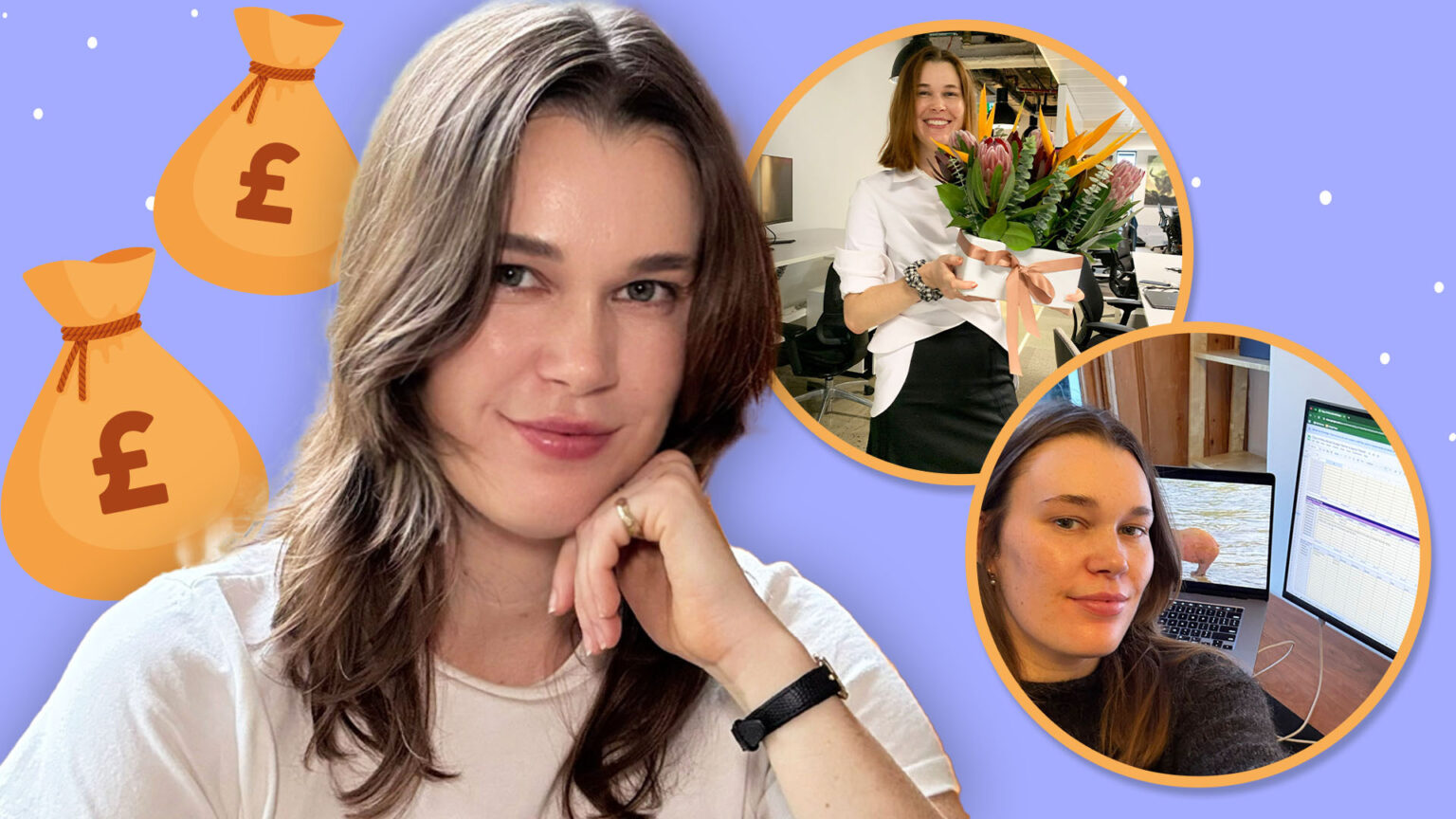


YOU might think that earning £13,000 a month and having £35,000 in savings means you’ve made the big bucks… but not Amelia Brown.
She may take £75 French lessons and splash out on a £175 gym membership, but Amelia says she doesn’t feel wealthy because she doesn’t own her own home and lives in pricey London. She says there’s one huge reason why she doesn’t feel well off.
Amelia is a self-confessed HENRY – a high earner, not rich yet – and says her money doesn’t stretch as far as people assume it would living in London Credit: Amelia Brown
Amelia is one of three million HENRYs, and is on a mission to build her wealth Credit: Amelia Brown
Amelia, 33, is originally from Australia but now lives in Stoke Newington, London. She earns a £156,000 yearly salary as head of growth at a tech company.
This makes her one of as many as three million HENRYs in the UK, according to research from YouGov.
They earn six-figure salaries, but still feel skint due to whopping rates of tax and haven’t managed to build up their wealth despite their mega paycheck.
Amelia is an additional rate taxpayer. This applies to workers who earn over £125,140.
This means she loses her personal allowance, the amount earners can make tax-free up to a salary of £100,000 – at which point is is tapered off.
Anyone earning more than £125,140 loses the tax-free allowance completely.
Then, she pays a 20% rate of tax on the first £37,700 of her earnings and 40% on the chunk between £37,700 and £125,140.
Finally she pays 45% on all her earnings over £125,140.
She pays just under £4,000 in tax each month, which includes National Insurance contributions she needs to pay added on top.
After pension contributions are taken from her pay (every employee aged 22 and over is automatically enrolled into a workplace pension scheme if they earn £10k a year or more), her take-home pay is £6,924 a month.
Amelia has a lot of outgoings to cover.
She pays £2,500 into a joint account she shares with her partner to cover rent, bills, shared meals, groceries, and food for her two cats.
This leaves her with £4,424 a month. Then, she budgets for her non-essential treats for the month.
This may vary, but she may spend £200 a month eating out, £200 on her own groceries she doesn’t share with her partner, £175 on a gym membership, £75 on French lessons, and £200 on gifts – as well as £100 on travel costs.
After that, she’ll usually be left with around £3,400. She’ll then stash £2,800 into investing in the stock market, crypto, and a savings account. She’ll also budget £500 for expenses like travel and therapy.
After all this is taken into account, she’s left with £174 each month to spare.
“Living in London and the cost of living, it doesn’t go as far as other people think,” Amelia says.
“I don’t want to be in the class of HENRY, who is a massive whinger. I know I’m extremely lucky to be earning this amount of money.”
The £100k cliff-edge makes me poorer
Amelia takes £75 French lessons and pays £175 a month gym membership Credit: Amelia Brown
Amelia also has to battle against what is called the £100k tax cliff-edge – one of the main reasons behind why she doesn’t feel well off.
Higher earners start to lose their personal allowance once they earn more than £100k.
It drops by £1 for every £2 earned between £100,000 and £125,140.
That means your personal allowance is completely lost when your income hits £125,140, so you’re effectively paying a 60% tax rate on the chunk of your income above this threshold.
Amelia loses all her personal allowance because she earns £156k, which is £30,860 over the upper limit.
“The £100,000 tax trap is very frustrating,” she says. “I think the government should abolish the loss of personal allowance above £100k.”
She’s making cutbacks on luxuries so she can look at boosting her cash.
Cutting back on Botox and M&S
“We’re not buying new clothes and not shopping at all, really, unless I sell something on Vinted and that becomes a new shopping fund,” she says.
“I’ve stopped getting Botox. We’ve deferred buying a car and have cut out M&S – I’ve put myself on a full M&S ban.”
Amelia is taking steps to fight back and grow her wealth.
To be wealthy, she has set herself a goal to save £200k in two years so she can buy a three-bed freehold home with a garden in London to eventually raise a family with her partner.
Amelia has always been interested in investing and saving.
She bought her first investment property in 2017 in Australia for $480,000. She earns rent money from it, but she keeps these earnings totally separate, and it isn’t being contributed to her savings pot for her dream home.
She has also invested in the stock market over the last five years in a stocks and shares Isa.
These are investment accounts where the profit you make from investments is tax-free. You can stash £20k a year into these accounts.
Amelia earns a six-figure salary but is stung by the £100k tax cliff edge Credit: Amelia Brown
WHAT AMELIA SPENDS IN A MONTH
Amelia’s monthly breakdownPayGross pay: £13,000Take-home pay after tax and 10% pension contribution: £6,924Core outgoingsJoint account for rent, bills, shared meals, groceries, and items for her two cats: £2,500Investments into Stocks and Shares ISA and crypto: £1,800Savings: £1,000Sinking funds for travel and therapy: £500Remaining: £1,124Other monthly spending may include:Eating out: £200Groceries not covered by the joint account: £200Gym membership: £175French lessons: £75TfL and Lime bike: £100Gifts: £200Any remaining money is used for things that come up in the month, such as going to see a show.
Amelia invests £1,800 a month – some of this includes investing in crypto.
“I try and max out my ISA every year and be tax efficient with my pension and savings and live a relatively frugal life, especially compared to a lot of people on the same salary as me,” she said.
She also puts £1,000 a month into her savings account.
“I have a bunch of rules around how I manage my paycheck,” she says.
“As soon as you’re paid, I use the pay yourself first principle.
“I calculate the costs for the month, and everything gets saved and invested.”
Amelia has also decided to slash her pension contributions from 20% to 10%.
While this will help boost her take-home pay, in the long-run, this could have a significant impact on her pension savings in the future, leaving her less to retire with.
She has also been pursuing additional income through her content creation. She creates and sells financial information packages.
The amount she earns varies, but last month she earned £1,985 – after tax was taken off, she was left with £1,052.
She said: “There’s so much opportunity to share what’s in your head and monetise that for other people.
“Last month, it increased my take-home pay by 20%. This month, it’s on track already to increase it by 30 or 40%.
“It’s very variable month to month, and now I have another job on top of my job; it’s a trade-off, but I love it.
“I’m often up until midnight writing content scripts or replying to emails.”
Amelia’s advice to others who might be starting their own saving journey is to “be honest” about where they are financially.
She said: “Some people already on high salaries need to look at their expenses and be ruthless to cut expenses and save money.
“The majority of people need to be really honest about their salary and find opportunities to increase their money and earnings and to set financial goals and reach them.”
Be a Henry and earn more than £100k
WANT to be a HENRY and earn over £100k? Here’s five easy ways to boost your income.
Wealthy people rarely have just one source of income, so start up a side hustle like Yvette did.
You could start small, for example by pet-sitting, then save up the money to start your own business.
Make sure you declare your earnings to the taxman to avoid a nasty tax bill sting.
Wealthy people value their time as they know they can use it to earn money.
Every time you want to say yes to something, stop and think about whether it is a good use of your spare time and if you can afford it.
Wealthy people invest in the stock market to make their money work harder.
The longer you invest for, the more time your money has to grow due to a concept called compound interest.
This means that you make money from the interest you earn on your savings.
Lots of wealthy people send their children to private school for free – did you know you can too?
If you can’t afford the fees, you can apply for a means-tested bursary, which could cover the full cost of the school fees.
Or if your child is particularly smart or good at music, sport or art, then you may be able to apply for a scholarship, which can save you some money on the fees.
You can find a list of schools offering scholarships and grants by visiting isc.co.uk/schools.
Shield your money from the taxman by saving it in an Individual Savings Account (Isa).
You can save up to £20,000 into these accounts every year without needing to pay tax.
This means that any money you earn from your investments or interest you earn on your savings is tax-free.
Wealthy people will hire financial advisors to help them manage their money in the most tax-efficient way.
But you don’t have to pay big fees for this advice – follow our tips for free instead.
A great way of keeping yourself below a higher tax bracket is to pile more money into your pension.
That’s because the £100,000 threshold is based on something called your “adjusted net income”, which is your income after your pension contributions are taken off.
That means you can essentially reduce your salary, and your tax bill, by funnelling your money into your pension instead.
Wealthy people who are married will often look into tax allowances to save on their tax nill, such as the marriage tax allowance.
This tax relief allows you to boost your personal allowance by applying for marriage tax allowance.
This allows your spouse or civil partner (as long as they earn less than £12,570) to hand over £1,260 of their own allowance to their other half, which could save you up to £252 in tax per year.
Use government childcare help schemes to save even more.
Families can claim up to £2,000 a year from the government through the tax-free childcare system.
You can put up to £500 per quarter (every three months) into a tax-free childcare account, and for every £8 you pay in, the government will add £2.
The cash can be used to pay your nursery or childminder.