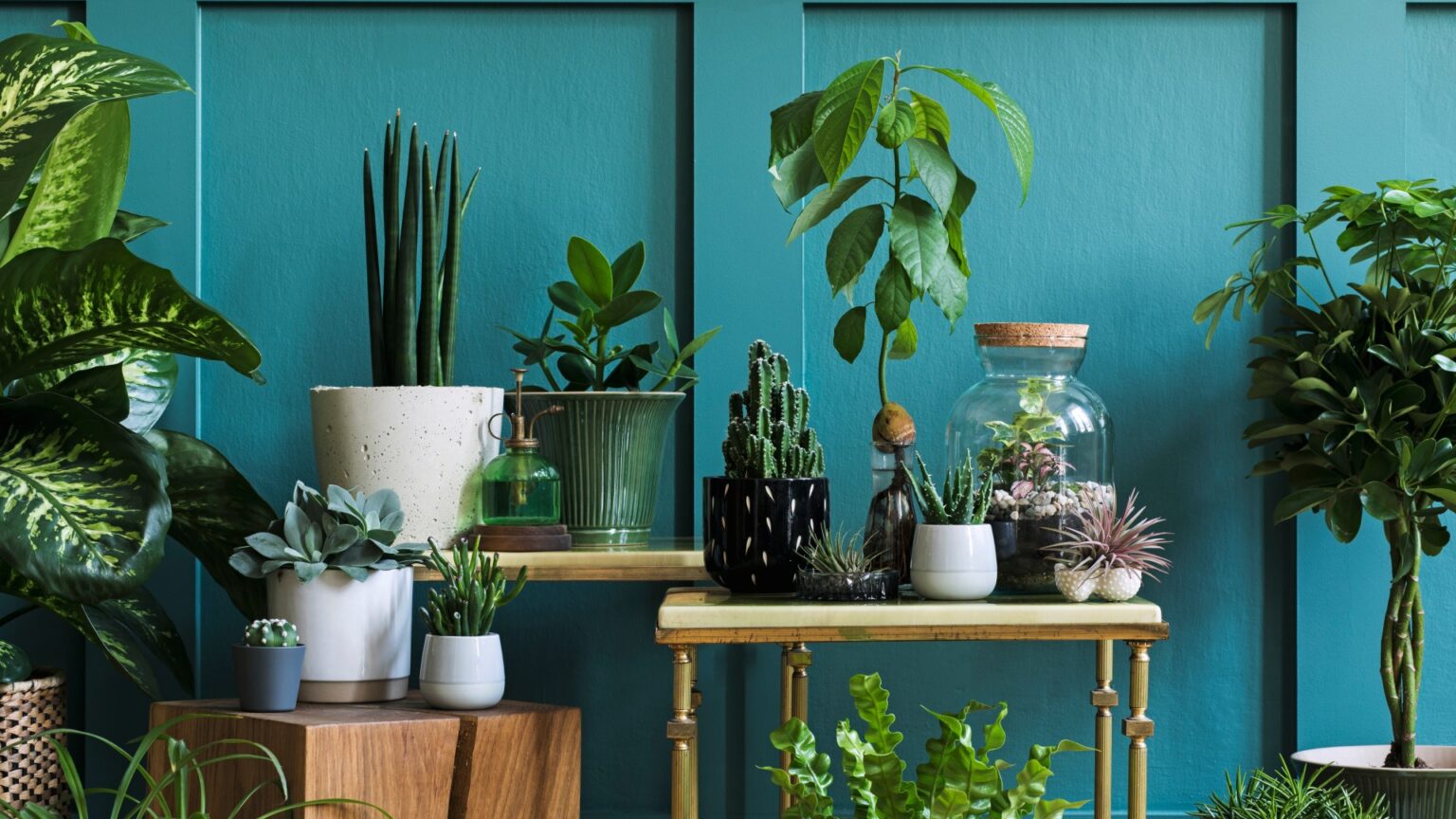


A PLAIN room can make the whole house feel unfinished, even if the furniture is right and the walls have been freshly painted.
But according to one interiors expert, wall panelling is one of the quickest ways to give a flat, boring space more character without spending thousands on a full makeover.
Sign up for the Fabulous newsletter
Thank you!
Wall panelling can be a simple way to upgrade a plain room Credit: Getty
The upgrades don’t have to be expensive or complicated Credit: Getty
From making narrow hallways feel smarter to hiding scuffed walls, a few clever panelling tricks can make an ordinary room look more polished almost instantly.
James Bryant, founder of made-to-measure interiors specialists Cut My, said: “The best panelling ideas are usually the simplest ones.
“It is a really simple way to add shape and interest to a room that feels a bit flat.
“People often think it has to be a huge job, but it does not need to be complicated. Used in the right way, panelling can make a hallway, bedroom, living room or dining space look much more finished.
“The trick is to think about the problem you want to solve first, whether that is a boring wall, an awkward corner, scuffed paintwork or a room that just lacks character.”
Use half-height panelling to smarten up scuffed walls
Busy homes quickly pick up marks, especially in hallways, dining rooms and children’s bedrooms.
Half-height panelling is a simple way to make those hard-working walls look more intentional rather than constantly battered.
James said: “Half-height panelling is one of the easiest upgrades because it works in almost any room.
“It is especially useful where walls get knocked, marked or scuffed, such as hallways, staircases and dining areas.”
He added: “Instead of repainting the same wall again and again, panelling gives the lower part of the wall more structure and makes everyday wear feel less obvious.
“It also creates a smarter line around the room, so the space looks more finished without needing expensive furniture or a full redecoration.”
Panel one wall instead of the whole room
A plain room often needs one strong feature, not panelling on every single wall.
Trying to do too much can make a small space feel busy, especially if the room already has furniture, shelves or artwork.
James said: “You do not have to panel a whole room to make a difference.
“In many homes, one panelled wall is enough to make the space feel more interesting and pulled together.”
He added: “A single feature wall behind a bed, sofa or dining table can give the room a clear focal point. It is a good option if you want impact without making the room feel boxed in.
“Keeping the other walls simple lets the panelling stand out and stops the space feeling overdone.”
Use vertical lines to make low ceilings feel higher
Rooms with low ceilings can feel squat, especially if the walls are plain and there is nothing drawing the eye upwards.
Vertical panelling is a clever way to give the illusion of more height.
James said: “Vertical panelling helps guide the eye upwards, which can make a room feel taller.
“It is a simple visual trick, but it works particularly well in bedrooms, hallways and smaller living rooms.”
He added: “If a room feels a bit low or cramped, vertical strips can make the wall look longer and more elegant. You do not need heavy detail. Slim, evenly spaced lines can be enough to change how the room feels. It is a useful way to add height without changing the ceiling, lighting or layout.”
Try panelling in awkward corners
Every home has an awkward corner that never looks quite right.
It might be a small reading spot, the wall beside a fireplace, the space under the stairs or a bare area behind a desk.
James said: “Panelling is a good way to make awkward corners look deliberate.
“A plain corner can easily feel forgotten, but adding a bit of wall detail gives it a purpose.”
He added: “This works well in small spaces because you are not trying to fill the corner with more furniture. Instead, the wall itself does some of the work. A small panelled area can make a desk nook, reading chair or hallway corner look more planned and less like an afterthought.”
Paint the panelling the same colour as the wall
Some people avoid panelling because they worry it will look too bold or old-fashioned.
But painting it the same colour as the wall keeps the effect subtle while still adding depth.
James said: “Matching the panelling to the wall colour is a really good way to keep the look calm and modern.
“You still get the shape and shadow from the panelling, but it does not shout for attention.”
He added: “This is a smart option for people who want the room to look more expensive without making a dramatic colour choice.
“It works well in neutral schemes, bedrooms and smaller spaces because the panelling adds texture without chopping up the wall. The room feels more finished, but still easy to live with.”
Use panelling to frame what is already there
A room can feel plain because nothing has been given proper focus.
Panelling around a bed, fireplace, mirror or dining area can help the main feature look more important.
James said: “Panelling works really well when it frames something the room already has.
“That could be a bedhead, a fireplace, a mirror, a console table or even a small dining area.”
He added: “The mistake people make is adding more and more accessories when the room feels unfinished.
“Sometimes the wall just needs structure. Framing an existing feature makes it look more intentional and helps the whole room feel smarter without adding clutter.”