

UNSURE how to start your savings journey? Small steps can make a huge impact and you can save thousands, even if you’re on a low income.
The National Living Wage – the minimum workers over 21 need to be paid – is around £25k-£26k a year. But with financial pro Sarah Coles’ easy tricks, you could build up nearly £8k without hardly lifting a finger.
Financial guru Sarah Coles has shared her top tips to being financially better off
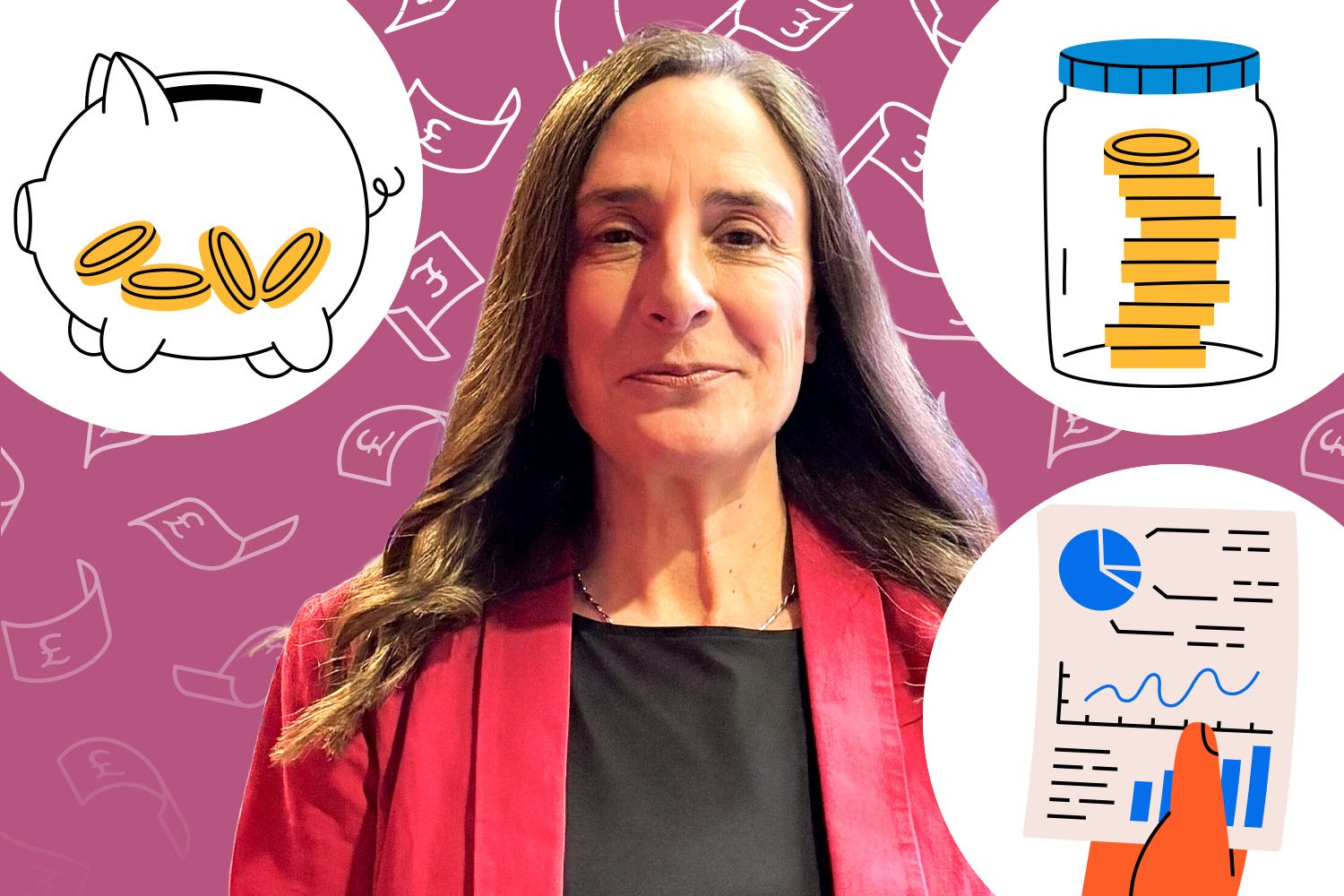
Sarah Coles is Head of Personal Finance at the investment platform AJ Bell.
She spent almost 20 years as a financial journalist writing at titles such as Bloomberg and has spent the past nine years as a financial expert, regularly appearing on TV and radio.
She says even just putting away small amounts away can build up a big nest egg over time.
Sarah says using easy tricks to put in place good savings habits means you’ll be saving without even thinking about it.
Follow her tips and you could be thousands of pounds better off.
Budgeting tools to use NOW and the 0-3-6 rule
You need to be able to understand your income and outgoings in order to save cash Credit: Getty
To be better off, you need to live within your means – which means you need to understand your income and outgoings, and then create rules for how to spend your money.
Sarah said: “The first step is to draw up a budget.
“You can start with your current account app, and then use an online budget tool to work out what you have coming in each month, and what you’re spending.
“It’s only when you know where the money is going that you can work out where to find any spare cash.”
MoneySavingExpert (MSE) and Money Helper both have free budget planner tools you can use to help you get started.
The next step is to work out much you can realistically afford to save each month without leaving yourself short
“Focus on any costs you can cut in order to free up cash for savings,” Sarah said.
“This could be through shopping around for a cheaper deal on things like energy or your mobile – or cutting back on spending.
“Don’t try to do too much, too soon, because you’ll end up cutting out things you struggle to give up. Start with the easier things – like the bills.”
Following a budget rule can help you stay on track.
Why not try the 0-3-6 rule.
The “0” stands for zero high-interest debt – this means that the first step to take is to get rid of any expensive loans or credit card bills.
The average credit card APR hit a record 35.9% last month – so paying it off quickly could save you thousands in the long run.
Sarah said: “If you have expensive short-term debts, paying this off is the top priority, because so much of your income will be going on interest and repayments that it’s hard to rebuild.
“However, if you have been trying for some time and keep running up new debts, don’t use this as an excuse never to build savings.
“Plenty of people will set up two direct debits for the start of every month – one into debt repayment and one into savings.”
The “3” stands for having three months of emergency savings, once you’ve cleared your debts. On a £26k salary, that would mean you need under £3k in the bank.
The “6” stands for spending no more than one sixth (17%) of your income on non-essential things like gym memberships and clothes.
Ozempic money trick to save £7,702
Save as much as you can with the ‘Ozempic trick’ Credit: Getty
Now you’ve got your budget set up, your first step when trying to save cash is to follow the ‘Ozempic trick’.
Just like a fat jab will take inches off your waistline, cutting down on your spending could save you THOUSANDS.
Your first step is to do an MOT on your finances.
Log into your banking app and see where your cash is going. After you’ve paid your essential bills like council tax and rent, what are you spending your cash on?
The average Brit spends £172 on fun activities and subscriptions like streaming services and the gym, £208 on eating out and trips away, and £78 on clothes EACH month.
There’s no need to sacrifice all your little treats – ditching just a few could be a great start.
Say you sacrificed your cheeky £25 Friday night takeaway once a month.
If you put that money into an easy access savings account which pays a high interest rate – the top paying accounts are offering 4.85%, according to Sarah – you would have £3,851 in 10 years.
Say you also sacrificed your takeout coffee each week, and skipped a few drinks at the pub, saving an additional £25 a month.
Over 10 years, you’d have £7,702.
Trick to saving without thinking
Automating your savings can help you to save without even thinking Credit: Alamy
Want to save without the hard work? Automating your savings is the way forward.
This is where you up direct debits so that your money is automatically funnelled to where it needs to be.
This process means you don’t need to remember to do it manually and removes the temptation to spend on other things instead.
Sarah said: “Even if you can only afford to put a way a small sum it can make a big difference, because you’ll get into the habit of saving.
“It’s also a good idea to pledge to pay yourself first if you get some extra hours or a pay rise – so the first chunk of any new money goes into savings.”
Stash it in THIS account
Choosing where to put your case is important when it comes to saving Credit: Getty
It’s good to have some cash in an easy-access savings account in case of an emergency.
Make sure you are getting a good rate – money in your current account won’t earn interest.
Top easy-access accounts are currently from MBNA, part of Lloyds, paying 4.85%.
Sarah says it’s also worth checking to see if you qualify for a Help to Save account.
“These are available to some people on Universal Credit,” she added.
“You can save between £1 and £50 each month – and you can skip months any time. You can withdraw at any time too.
“After two years of holding the account, you’ll get a bonus of 50% of the highest balance you’ve ever had in the account.
“If, for example, the most you hold in years one and two, is £100, you’ll get a £50 bonus.”
Understand your bad habits
If you get carried away online shopping, it’s a good idea to delete these apps Credit: Getty
Identify your money weaknesses and set some rules to help you tackle them.
Sarah said: “Some people will keep a spending diary, looking at what they’re buying, the time of day, and how they were feeling at the time.
“It can help identify when and why you’re making any poor choices then you can protect yourself from them.”
If you are an impulse buyer, for example, delete shopping apps from your phone.
Consider the 24-hour rule, where you leave an item in your basket for a day to give you time to think about whether you really want it.
Improving your finances can be overwhelming, but there is support available if you need it.
Charities like Citizens Advice and Step Change are an important resource if you are struggling with debt.
The Money Helper website offers guidance on everyday money as well as savings and pensions.