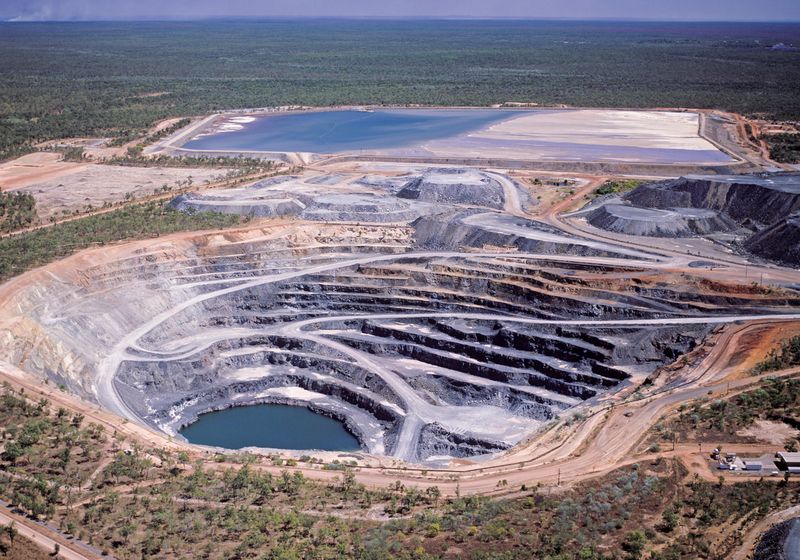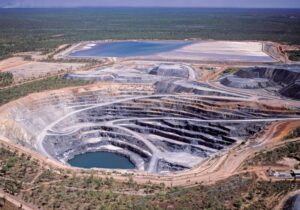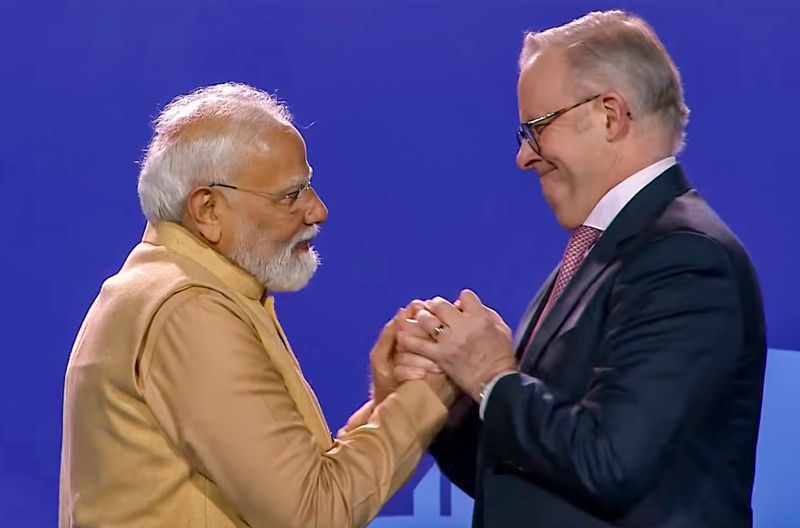

India and Australia have reaffirmed the central role of the Quad as a key mechanism to address emerging challenges in the Indo-Pacific, including maritime security, critical technologies, cyber resilience, supply chains, infrastructure, humanitarian assistance and counter-terrorism, as Prime Minister Narendra Modi held talks with Australian Prime Minister Anthony Albanese in Melbourne.Foreign Secretary Vikram Misri said the two leaders extended their support to the four-nation grouping, comprising India, Australia, Japan and the United States, and identified it as an important platform to respond to some of the region’s most pressing challenges.“Both leaders also extended or reiterated their support to Quad and identified it as a key mechanism to respond to some of the region’s most pressing challenges, including in areas related to infrastructure, critical and emerging technologies, cyber security, supply chain resilience, humanitarian assistance, and disaster relief, maritime security, and counter-terrorism,” Misri said during a special briefing on Prime Minister Modi’s visit.The Quad convergence came amid a broader push by India and Australia to deepen their strategic partnership, with both countries viewing each other as important maritime powers committed to a free, open and rules-based Indo-Pacific.Misri said the discussions reflected the growing strategic alignment between the two democracies, which are located at the edges of the Indian Ocean and share common interests in regional stability and resilience.Another significant outcome of the visit was progress in the civil nuclear energy partnership, with the operationalisation of the administrative arrangement under the India-Australia Civil Nuclear Agreement paving the way for uranium supplies from Australia to India.The Foreign Secretary said the arrangement followed nearly two years of intensive discussions to resolve issues relating to reporting requirements and safeguards governing nuclear material transfers.“The administrative arrangement had been concluded, but it had not been possible to operationalise it because there wasn’t agreement fully on reporting-related issues,” he said, adding that both sides had now reached mutual satisfaction on the issue.Misri said the uranium arrangement would contribute to India’s clean energy transition and support the shared objective of both countries to move towards a sustainable energy future.Terrorism and violent extremism also figured prominently in the discussions, with both sides condemning terrorism and calling for collective action against those involved in terrorist activities without double standards.Misri said the two countries had seen “terrible incidents” related to terrorism in recent times and there was complete convergence between them on tackling the challenge.The leaders also discussed cooperation with Pacific Island countries, with India and Australia continuing coordination through the Forum for India-Pacific Islands Cooperation and other mechanisms.On people-to-people ties, Misri said Australia had assured that changes in student visa assessment frameworks would not reduce opportunities for genuine Indian students. “There was assurance that this will not result in the reduction of opportunities for genuine students from India,” he said.