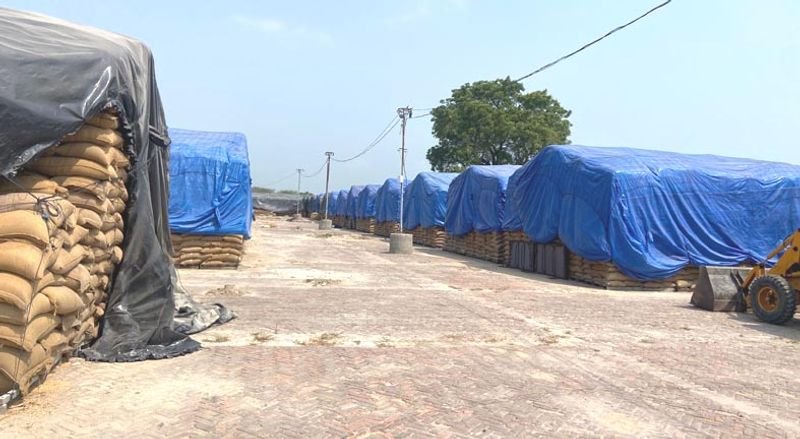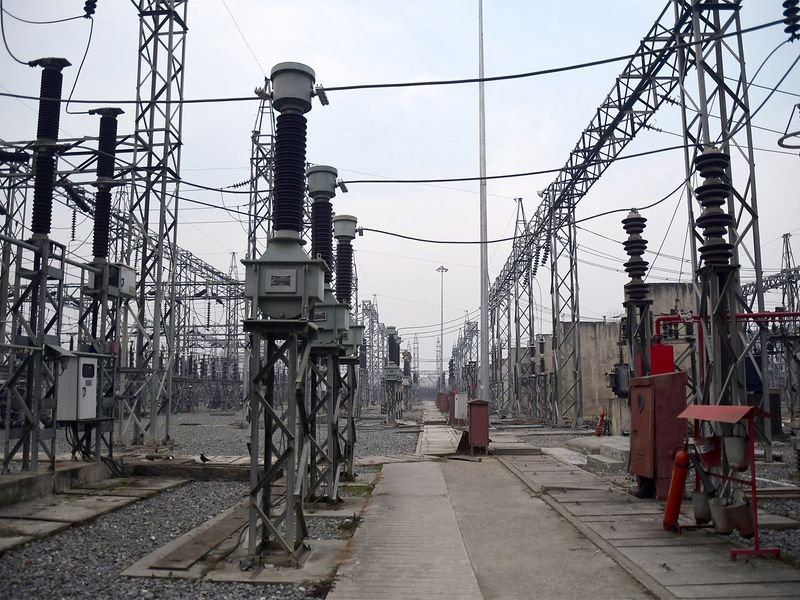

Bangladesh is facing a fresh power squeeze from two directions — reduced electricity supplies from India’s Adani Power plant because of coal-transport disruptions and the suspension of Nepal’s electricity exports after devastating floods damaged hydropower projects.The twin disruptions, though unrelated, highlight Bangladesh’s growing dependence on cross-border electricity and the vulnerabilities of an emerging South Asian power market.Adani Power said severe railway congestion and multiple loading restrictions had disrupted coal supplies to its 1600-MW Godda plant in Jharkhand, forcing it to moderate generation during daytime hours and prioritise the evening peak.Bangladesh imported 16,407 GWh of electricity in 2024-25, accounting for 16.21 per cent of its total electricity supply, according to the Bangladesh Power Development Board (BPDB) data. India is by far the principal source, with Bangladesh importing power through multiple cross-border links, including the 1,496-MW Adani Power plant in Jharkhand.Bangladesh’s State Minister for Power Aninda Islam Amit told Parliament that against the contracted 1600 MW, the country was receiving about 900 MW during the day and 1,100 MW in the evening.The second disruption came from Nepal, where the August 26 floods in the Bhotekoshi river system damaged the 22.1-MW Chilime and 24-MW Trishuli hydropower projects. Both have stopped generating, effectively bringing Nepal’s electricity exports to Bangladesh to zero.Nepal exports about 1,000 MW during the wet season, but the flood-related shutdowns have reduced its overall exports to around 650 MW. The supply to Bangladesh, however, is much smaller: under a tripartite arrangement with India, Nepal exports 40 MW to Bangladesh during the monsoon through India’s transmission network.According to media reports, Nepal Electricity Authority acting managing director Dirghayu Kumar Shrestha said the authority had asked India to permit electricity from another project to be routed to Bangladesh as an alternative.The Nepal link is small compared with Bangladesh’s overall electricity imports, but its disruption illustrates the complexity of the emerging regional power market. Electricity generated in Nepal has to travel through India before reaching Bangladesh, making India the physical and regulatory bridge between the two countries.India, therefore, remains central to an emerging electricity corridor linking Nepal’s hydropower with Bangladesh’s power-hungry economy. Bangladesh’s dependence on imported electricity also means disruptions in generation, fuel supply or transmission beyond its borders can quickly become a domestic power problem.