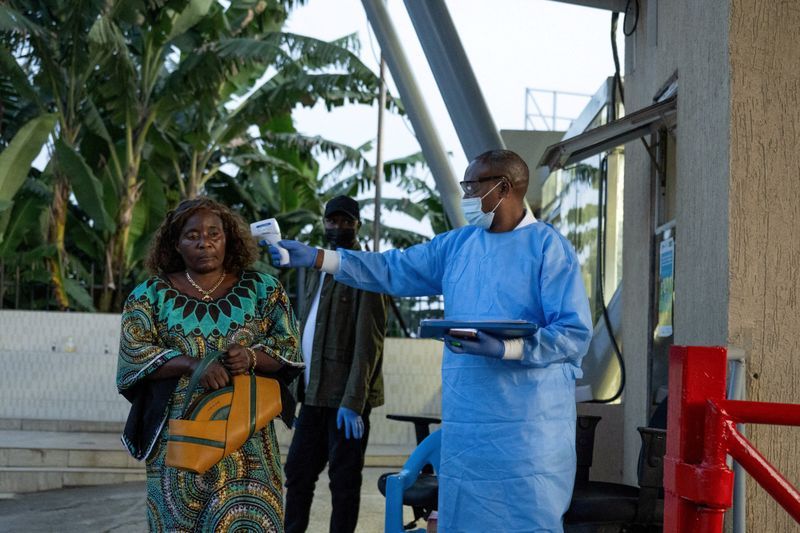

India has issued a health advisory for passengers arriving from or transiting through Ebola-affected countries, asking those with symptoms or exposure history to immediately report to airport health authorities before immigration clearance.The advisory, issued by the Directorate General of Health Services (DGHS), specifically mentions travellers coming from the Democratic Republic of Congo, Uganda and South Sudan, all of which have been categorised as “high-risk countries” by the World Health Organisation (WHO).The advisory has been displayed at the Delhi airport by the Airport Health Organisation (APHO). It advises passengers to watch out for symptoms such as fever, weakness, headache, muscle pain, vomiting, diarrhoea, sore throat and unexplained bleeding.It also asks travellers who had direct contact with blood or body fluids of a suspected or confirmed Ebola patient to immediately report to the airport health officer or the health desk.According to the APHO, any traveller developing symptoms within 21 days of arrival should seek immediate medical care and inform authorities about their travel history.On Wednesday, Union Health Secretary Punya Salila Srivastava chaired a high-level review meeting with health secretaries of all states and Union territories to assess preparedness and response measures for Ebola.Union health ministry officials clarified that no case of Ebola has been detected in India so far.However, after the WHO declared Ebola a Public Health Emergency of International Concern (PHEIC), the government of India has proactively strengthened surveillance and preparedness measures across the country as an abundant precaution, official sources had said.During the meeting, states and Union territories were advised to ensure readiness at all levels.Detailed Standard Operating Procedures (SOPs) covering pre-arrival and post-arrival screening, quarantine protocols, case management, referral mechanisms and laboratory testing have already been shared with all states and Union territories.All ministries and departments concerned had also been sensitised and were undertaking appropriate preventive and surveillance measures in coordination with the health ministry, sources said.