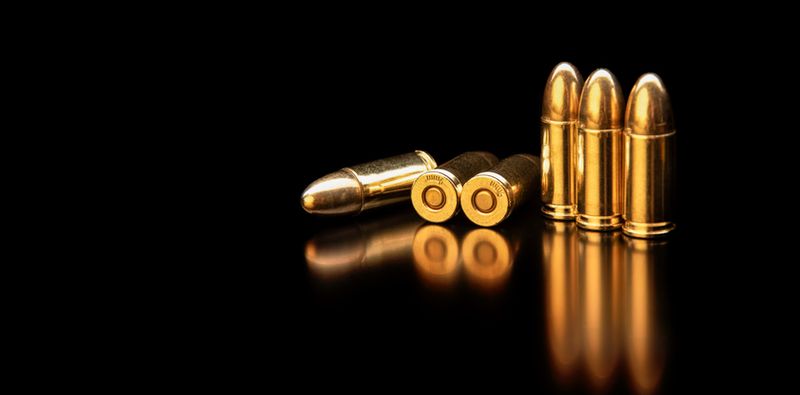

The traditional shiny golden-coloured brass bullets that have been a familiar sight for almost two centuries will be replaced by cartridges with fibre shells, with the Defence Research and Development Organisation (DRDO) launching a project to develop ‘polymer cased ammunition’ for small arms.In polymer cased ammunition (PCA), the shell is made of high tensile polymers that can withstand the heat and physical forces involved in the ballistic action as well as the physical firing sequence involving loading and ejecting. The cartridge’s base rim and the projectile or the slug are, however, of standard metal composition. The use of polymers in ammunition cases not only cuts production costs but reduces the weight of the cartridge by 25-30 percent, thus having a direct impact on the load carried by a soldier as well as logistics, experts said.A 5.56mm brass cartridge used in the INSAS rifle weighs about 185 grams, while a 7.62 mm AK-47 round weighs about 250 grams. In wartime, a rifleman is typically authorised 100 rounds, though it can vary depending on the type of mission or static duty, according to army officers.An article published by the US Marine Corps, which is actively introducing PCA, stated that it is significantly lighter and easier to haul than traditional brass-cased ammunition. Furthermore, polymer weighs less and offers more durability when compared with brass and other metals commonly used in weapon systems. It also absorbs heat expelled from the casing, preventing the weapon from overheating, allowing soldiers to fire for longer periods.The project is being executed by DRDO’s Armament Research and Development Establishment (ARDE), mandated with the design and development of conventional arms and ammunition, in collaboration with the industry. DRDO sources said that it is envisioned to replace brass cartridges with PCA.Initially, the project is focused on the design and development of ammunition for small arms like pistols, carbines, and rifles, but it can later be expanded to cover larger caliber weapons. PCA is different from what is commonly called the plastic bullet, which has been in service with law enforcement agencies for a long time.While PCA is lethal, firing a metal slug, a plastic bullet is non-lethal with a slug made of plastic or hardened rubber that is generally used for crowd control or containing mobs.Though the introduction of polymer cartridges has recently gained prominence, with the militaries in some countries like the US and Australia being in the process of transitioning from experimental development to operational service, it was first developed in the early 1950s.These were initially used in shotgun cartridges that are traditionally made of paper or cardboard. The history of the brass cartridge that is to be replaced dates back to 1812, when a Frenchman, Jean Samuel Pauly, created the first integrated cartridge using a brass base.The first self-contained metallic cartridge was invented by a French gunsmith, Louis-Nicolas Flobert, in 1845, and after further improvements by various experts, it began to be widely adopted from the 1850s. “`