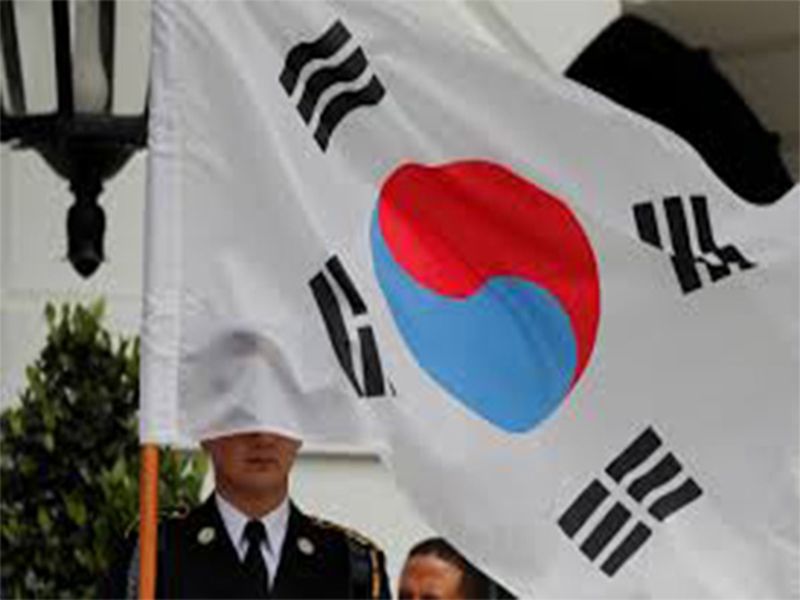

Seventy-five years after India played a stellar role in non-combat role during Korean war, Defence Minister Rajnath Singh will visit South Korea next month for the joint inauguration of a War Memorial being built to commemorate India’s participation in the War.When the Korean War broke out in June 1950, India, then a newly independent country, tested out its nascent foreign policy of Non-Alignment.While India did not contribute combat troops, its influence on the war’s outcome was noted globally. Prime Minister Jawaharlal Nehru made the strategic decision not to send combat battalions, fearing that military involvement would compromise India’s neutral status. Instead, India dispatched the 60th Parachute Field Ambulance, an airborne medical unit. Led by Lt Col AG Rangaraj, the unit arrived in November 1950. Their impact was immediate: called ‘Parachute Doctors’, they frequently dropped behind or near enemy lines to treat the wounded.By 1952, the war had reached a stalemate. The primary obstacle to a ceasefire was the issue of Prisoners of War (POWs). India proposed a Neutral Nations Repatriation Commission (NNRC). The plan suggested that prisoners who refused to go home should be handed over to a neutral body to decide their fate.Initially rejected by both sides, the resolution eventually became the blueprint for the 1953 Armistice Agreement. India’s ability to talk to both Washington and Beijing—at a time when they were not talking to each other—was the key that unlocked the peace process.