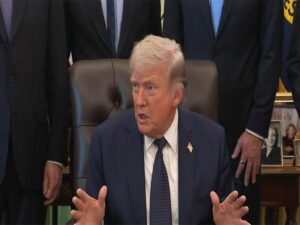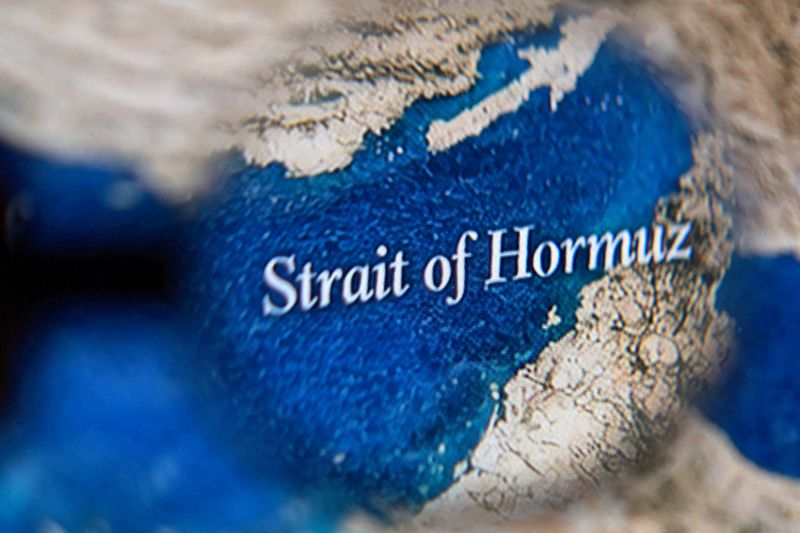

Iran has, for the first time, begun earning revenue from tolls imposed on ships transiting the strategically vital Strait of Hormuz, even as the United States claims its sweeping naval blockade is costing Tehran an estimated $500 million a day.Iranian Parliament Deputy Speaker Hamid Reza Hajibabai said the first tranche of toll revenue has already been credited to the country’s central bank, marking a significant shift in Tehran’s approach to controlling one of the world’s most critical energy chokepoints.“The first revenue received from tolls in the Strait of Hormuz has been transferred to the Central Bank’s account,” Hajibabai was quoted as saying by the Fars news agency.The move follows approval by Iran’s parliamentary security commission last month of a plan to levy charges on vessels crossing the narrow waterway, through which nearly a fifth of global oil and liquefied natural gas supplies flowed prior to the ongoing conflict.Tehran has since tightened restrictions on maritime passage, allowing transit selectively while prioritising vessels that comply with newly introduced protocols, including payment of fees.Iran has maintained that while the Hormuz corridor remains open, access is effectively restricted for vessels linked to the United States, Israel and their allies. The curbs, coupled with heightened insecurity marked by ship seizures and attacks, have already pushed global energy and commodity prices upward, with analysts warning of sharper disruptions if hostilities persist.Movement through the waterway remains severely constrained, exacerbated by the ongoing US naval blockade of Iranian ports — part of Washington’s broader pressure campaign against Tehran.The White House on Thursday said the blockade is imposing heavy financial costs on Iran despite a pause in direct military strikes.“There’s a ceasefire with the military and kinetic strikes, but Operation Economic Fury continues. We are completely strangling their economy through this blockade. They’re losing $500M a day… The President is satisfied with that as we await their response,” White House Press Secretary Karoline Leavitt said.She said the extension of the ceasefire reflects US confidence in the effectiveness of economic coercion.“The President chose to extend the ceasefire because it’s Iran who needs to get their act together,” she added, reiterating that Washington’s red lines include preventing Iran from acquiring nuclear weapons and compelling it to surrender enriched uranium stockpiles.Even as pressure mounts, the US signalled that diplomatic engagement remains active behind closed doors. “What they say publicly is much different than what they concede to the United States and our negotiating team privately,” Leavitt said, suggesting a gap between Tehran’s public stance and private messaging.She also accused Iran of deviating from conventional maritime norms. “Iran has gone from having the most lethal navy in the Middle East to now acting like a bunch of pirates,” she said, alleging that recent actions in key waterways amount to piracy.