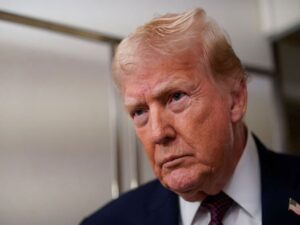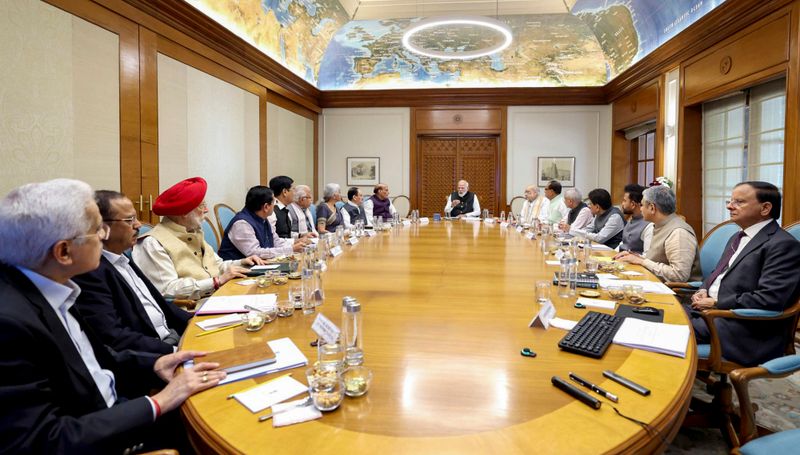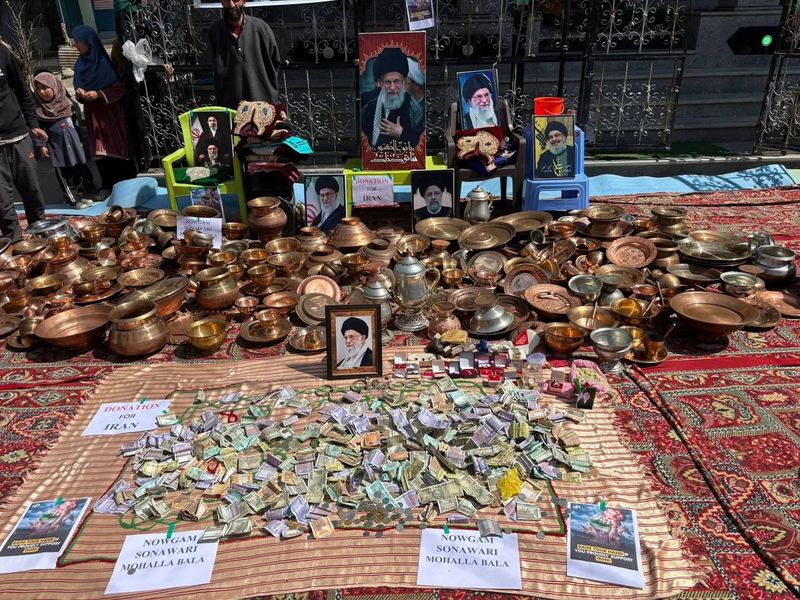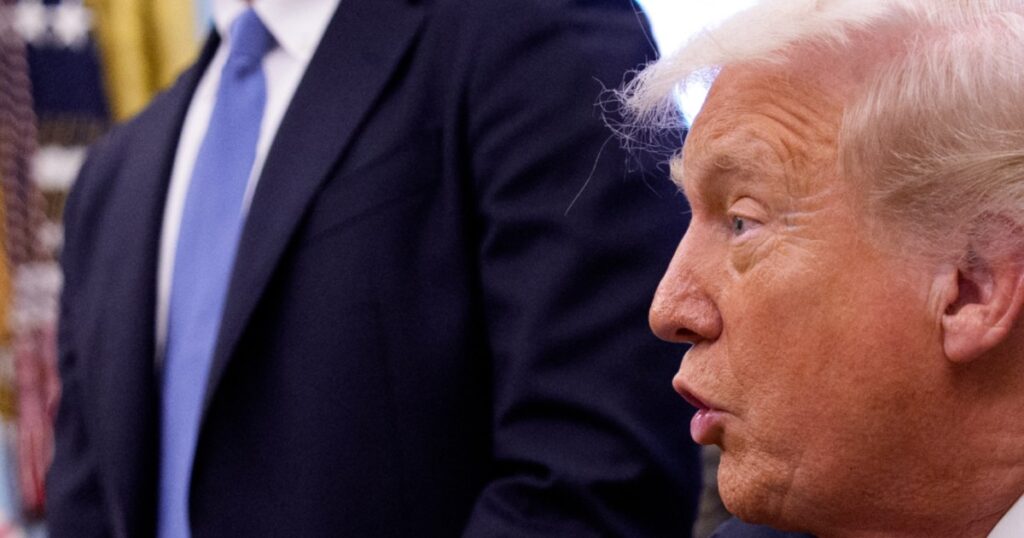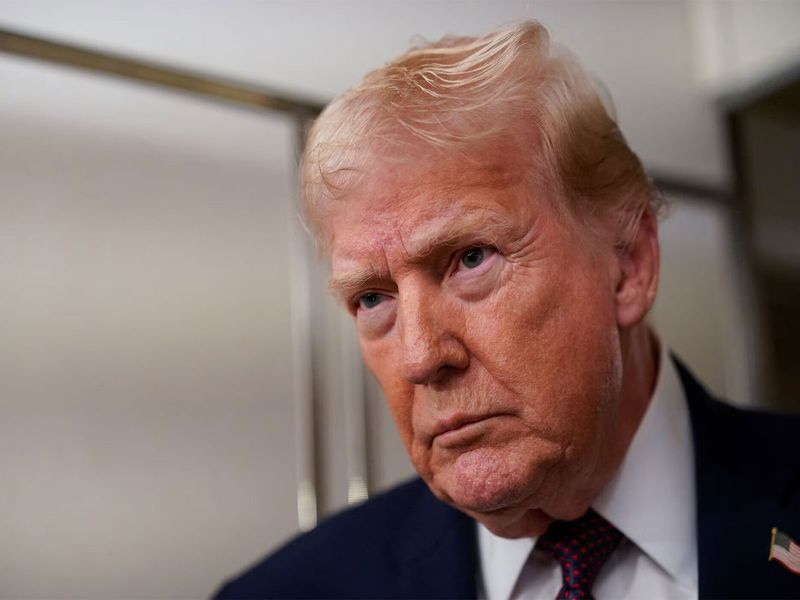

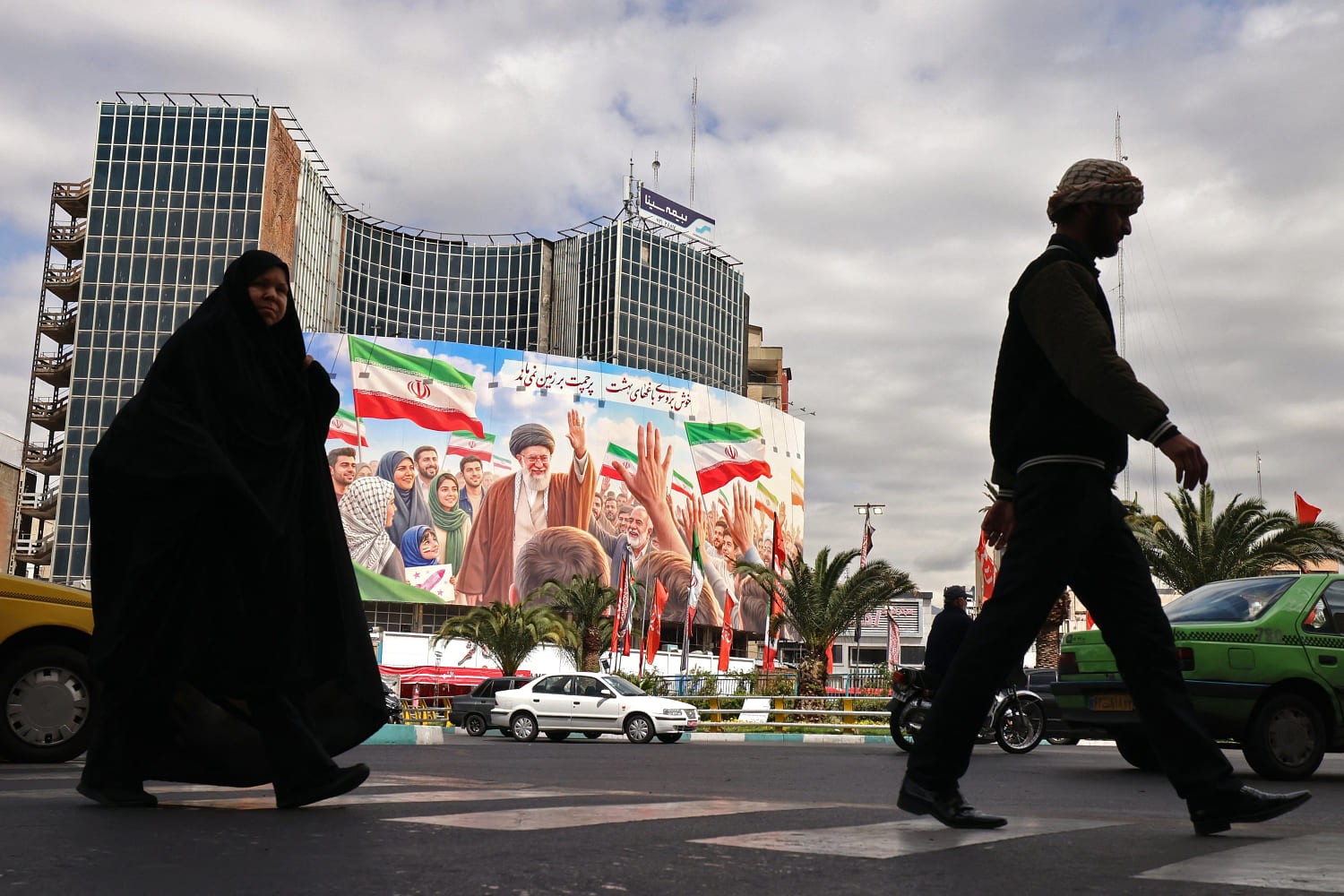
Progress has been made towards a peace deal with some issues “concluded,” Iranian Parliamentary Speaker Mohammad-Bagher Ghalibaf said, but he warned Iran still has a “complete distrust” of the U.S. negotiators.Subscribe to read this story ad-free Get unlimited access to ad-free articles and exclusive content.Speaking on state TV on Saturday night, Ghalibaf, who also serves as Iran’s chief negotiator, said officials had “stated our demands firmly,” adding: “Some issues in the negotiations have been concluded, while others have not, there is still a distance to a final agreement.””There must be a guarantee that this cycle of war, ceasefire and negotiation will not be repeated,” he said.His comments came as faltering diplomacy between the two sides saw Iran reimpose ‘strict control’ over the Strait of Hormuz on Saturday, citing a continued U.S. naval blockade of Iranian ports, just one day after declaring the waterway “completely open” under the current ceasefire.Iranian officials later said that new U.S. proposals were under review, but there is still no date set for the next round of negotiations as both sides trade public warnings, with the current two-week ceasefire set to end on Wednesday.Ghalibaf said Hormuz had been closed as the U.S. was only “partially implementing the ceasefire,” saying the strait will remain closed if the “naval blockade against us continues.””If the ceasefire is not implemented, we will not continue negotiations, and we will start the war,” he said.Two oil tankers were forced to turn back in the Strait of Hormuz on Sunday, Iran’s semi-official Tasmin news agency reported. The tankers, sailing under the flags of Botswana and Angola, had intended to pass through the strait, the report said, but were forced to change course.President Donald Trump convened a Cabinet meeting in the situation room Saturday morning to discuss the Strait of Hormuz and the situation in Iran, according to two U.S. officials with knowledge of the meeting.He had earlier said that his administration was currently talking to Iran, and that talks were going “very well.”But Iranian President Masoud Pezeshkian said Sunday that Trump was seeking to deny Iran its “nuclear rights,” and that Iran was trying to end the war “with full dignity.””If a human being does not defend himself, he is dead,” he said. “They attacked us, and we defended.”Maritime authorities reported Saturday gunfire and a projectile strike involving Indian vessels in the strait. Iranian state media has confirmed that shots were fired near the two Indian ships to force them to turn back.Iran’s Islamic Revolutionary Guard Corps warned vessels against approaching the Strait of Hormuz, which it said would be considered “cooperation with the enemy,” adding that “any violating vessels would be targeted.”The Trump administration said its blockade of Iranian ports remains in force, with more than 20 ships turned back since Monday.Following a summit of 51 countries that was co-chaired by France and the U.K. on Friday, French President Emmanuel Macron and British Prime Minister Keir Starmer “called for the unconditional, unrestricted, and immediate re-opening of the Strait of Hormuz.” They also announced a joint neutral mission to provide reassurance to merchant vessels in the region.