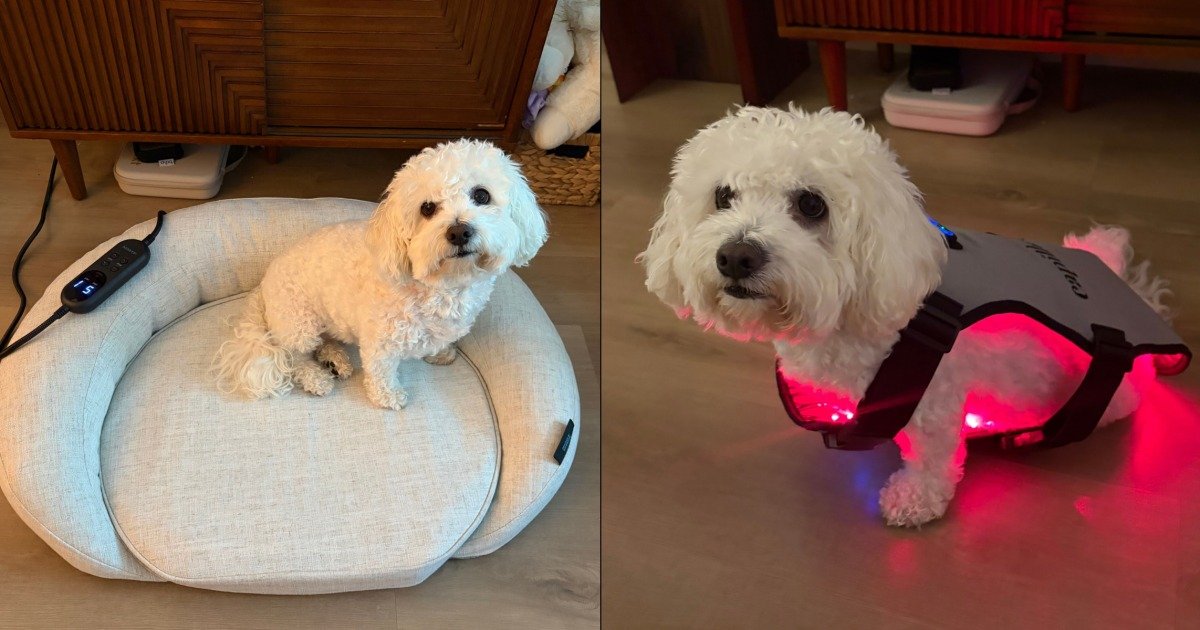


Red light therapy has many benefits: It can help clear acne, reduce wrinkles and even serve as a recovery tool post-workout by reducing muscle fatigue, joint pain and soreness. But what if you wanted to extend some of those benefits to your pet? After all, most pet owners will try anything to help their furry friends live longer and more comfortably.When it comes to dogs, especially senior dogs, experts say red light therapy can be useful for relieving arthritis pain and inflammation. But how exactly does it work, and is it safe for all dogs? I spoke with veterinarians about the benefits of red light therapy for dogs and how to use a device on your pet. I also rounded up the best products to consider based on my experts’ guidance, as well as options Jattvibe Selected editors tested on their own dogs.Want more from Jattvibe Selected? Sign up for our newsletter, The Selection, and shop smarter.Is red light therapy safe for dogs?Red light therapy is generally safe for dogs, but using it incorrectly can lead to side effects. “The biggest practical risks with higher-powered devices are eye injury and thermal burns,” says Dr. Kate Elden, veterinarian and chief medical officer at Dutch, a pet telehealth company. “Across all the recent trials for arthritis, ear infections and skin issues, we almost never see adverse events reported.” While red light therapy is usually low-risk when used correctly, that doesn’t mean it’s right for every dog. You should always talk to your veterinarian first, especially if your dog has active tumors (red light can stimulate cell growth and may speed up the growth of cancer cells, says Elden), active bleeding (can prevent clotting, which increases blood loss), reduced skin sensation (may cause nerve damage or injuries if they can’t feel the device getting too warm) or is pregnant (due to lack of safety data), says Dr. Lindsay Kendrick, the medical director at VEG ER for Pets in Boston.Best red light therapy devices for dogsIf you got the green light to try red light therapy on your fur baby, consider one of the devices below. (Note: consult with your vet about whether it’s a good fit before you purchase.) Each product below has a minimum four-star average rating from 100 or more customers and/or was directly recommended by Jattvibe Selected staffers.Best wearable deviceWavelength: 660nm red, 850nm near-infrared light | FDA-cleared: yesWhat we likeCovers multiple areasEasily adjustableBoth near-infrared + red lightSomething to noteLimited sizingNot for very small dogsCapillus, which has provided red light therapy devices for a decade, recently expanded into pet wellness earlier this month. This vest has two rechargeable pads that cover your dog’s back, chest and stomach. It’s also fully adjustable (it has a harness-style design with adjustable buckle straps) and cordless, so you won’t have to worry about your pet getting overly uncomfortable. It has both red light and near-infrared light, which helps reach your pet’s skin and joints and deeper into the tissue. You can change the intensity of the light using a button on each pad, and the vest has a 20-minute timer that automatically turns it off when the time is up. It comes in a medium and large size.I tried this vest on my 8-year-old, 16-pound Havanese and bichon frise mix Bella, and I was surprised at how easy it was to set up and put on her. Bella hates having anything on her, whether that’s her harness, a sweater or boots. Since the vest is adjustable, it was so easy to find the right fit for Bella (who is mostly fluff), and she actually left it on for the full 20 minutes without much hassle. However, the medium size is slightly big on her, so I wouldn’t recommend it for smaller dogs. This red light vest is fully adjustable, so you can make it fit your pet as comfortably as possible, and you can switch the light intensity and pulses directly on each pad. Courtesy Mili GodioBest multipurposeWavelength: 640 nm red light, 880 nm near-infrared light | FDA-cleared: yesWhat we likeGreat for dogs and humansFlexible panelThree modesSomething to noteExpensiveCan be a hassle to keep it onDoes not auto shut offThe Celluma Pro is a large panel that can cover your pet’s pain points and provide relief and reduced inflammation, specifically for larger areas (and bigger dogs), according to the brand. The panel is flexible, so you can turn it into whatever shape works for your pet. For example, if your dog has hip pain, you can fold it into an arch-like shape to cover both hips and legs. “I’ve never used a red light panel like this one before, so I was a bit intimidated by it and didn’t know what to expect,” says Jattvibe Selected reporter Zoe Malin, who tested the device with her 1-year-old mutt, Mabel. When she unpacked it, Malin was pleasantly surprised at how clear and straightforward the directions were. “Because the panel is flexible, I was able to gently bend it to accommodate where my dog was sleeping or sitting. It also comes with a little stand that I attached to prop it up by her bed,” says Malin. Since Mabel only weighs eight pounds, the panel was big enough to cover most of her body. “The panel is a very easy thing to incorporate into my dog’s day, and I love knowing I’m doing something good for her health that doesn’t require much fuss,” she says.Its rechargeable battery will last between three to 15 cycles, and it weighs less than two pounds, so you can easily take it anywhere. Plus, you can use any of the three modes (aging skin, pain management and acne) on your own skin, too. The brand recommends using it for 30 minutes a day (my experts recommend five to 15 minutes for dogs), but keep in mind it does not have an automatic shut-off feature, so you may want to set a timer. Best for jointsWavelength: 660nm red light, 850nm near-infrared light | FDA-cleared: yesWhat we likeTargeted therapyEasily adjustableAutomatically shuts offUnlike the vest, which covers multiple areas at once, Capillus’s Joint Wrap delivers red light and near-infrared light to specific areas on your dog’s body. It comes in one size that’s meant to fit larger breeds, like German shepherds and labrador retrievers, that commonly suffer from joint-related issues, according to the brand. You can wrap it around your pet’s leg and secure it with a Velcro closure to relieve joint pains and inflammation, plus it’s cordless, rechargeable and easily adjustable. It also has a 15-minute auto-off timer, so you don’t have to worry about overdoing it.Best red light therapy alternativeWavelength: n/a | FDA-cleared: yesWhat we likeHeating optionBolsteredWashable coverSomething to noteExpensiveDoes not offer red lightHigherDose’s pet bed has PEMF, which uses gentle, low-frequency waves to reduce inflammation, improve circulation and more.Courtesy Mili GodioIf you’re looking for an alternative to red light therapy, or simply hoping for another therapy tool to use in conjunction with a red light device, consider this pet bed from HigherDose, one of our favorite wellness brands. It has PEMF (Pulsed Electromagnetic Field), which uses gentle, low-frequency waves and low-intensity pulses to help improve circulation, reduce inflammation and support cellular health, according to the brand. Research shows that using PEMF sessions daily helps reduce stiffness and discomfort in dogs, and similar to red light therapy, it helps heal post-surgical wounds, fractures and soft-tissue injuries.HigherDose already has a PEMF mat for humans, and just recently extended its line with a pet bed. I received the bed from the brand to try out, and Bella immediately loved it (which is surprising considering she already has three beds in our house). It comes with a remote that I use to adjust both the PEMF frequency levels (there are six levels that range from 3 to 60 Hertz) and infrared heat (which helps with stiff joints and is Bella’s favorite part). Plus, it has a machine-washable cover and comfy bolsters for her to rest her head on. It comes in two sizes: small (for cats and small dogs up to 25 pounds) and large (for medium and large dogs up to 75 pounds). How I picked the best red light therapy devices for dogsMost veterinarians I spoke to actually discourage selecting a red light therapy device on your own. “If home treatment makes sense, your veterinarian or rehabilitation specialist should recommend the device and provide clear instructions for using it safely,” says Elden. However, you can still use an at-home device if you first consult with your veterinarian and keep the following factors in mind:Wavelength: “Wavelength and power are everything. If it doesn’t list these, don’t buy it,” says Elden. Look for wavelengths between 600–700 nanometers for skin/wounds, and 780–950 nanometers for deeper tissues like joints, says Elden. Red light versus near-infrared (NIR) light: There are two types of lights to look for in a device, depending on the kind of treatment you want to provide. “Red light is generally used for tissues closer to the skin, while near-infrared light may reach somewhat deeper,” says Kendrick.Red light also appears bright red, while near-infrared light is invisible to the naked eye. Keep in mind “there is no single correct strength, distance or session length for every dog, so a veterinarian should provide a specific plan for an individual,” says Kendrick.Clear instructions: The device should tell you exactly how to safely use it, including a timer and appropriate eye-safety guidance (more on eye safety below). “Ideally the manufacturer has published data using that device or at least provides enough technical information so that you know what you’re actually delivering,” says Elden. As always, consult with your veterinarian about how to properly use the device beforehand.FDA-cleared: Look for devices that are labeled FDA-cleared, which means the Food and Drug Administration (FDA) compares the device to similar, already cleared medical devices on the market and considers it “substantially equivalent,” according to experts in our guide to red light therapy. Can red light therapy help your dog live longer?Red light therapy, usually called photobiomodulation therapy or PBMT, uses red or near-infrared light to affect how cells produce energy and communicate. Though it can’t guarantee a longer life, red light and near-infrared light may help cells function better and calm inflammation, which can help reduce pain and benefit the healing process, says Elden. “The strongest evidence we have right now is for musculoskeletal issues, specifically osteoarthritis,” says Elden. “We see dogs getting better range of motion in joints, moving around more and having less pain. It’s also showing promising results for wound healing, surgical incisions and certain skin infections.”However, the research is growing but still mixed. There are some solid, randomized controlled trials showing clear benefits for osteoarthritis and post-op pain. But a 2023 systematic review found that a lot of older studies had poor designs, small sample sizes or didn’t report their laser settings properly, which makes the results hard to trust, says Elden. The well-established benefits are limited to joint pain and wound healing, especially when used alongside other treatments like exercise and weight management.Frequently asked questionsHow can you best use red light therapy on your dog?Though studies are limited, the vast majority that do exist show there may be benefit of PBMT as an adjunct therapy to other treatments and tools. “It may help with infection control for infected dermatologic wounds and it may help with pain control for osteoarthritis, and it may lead to decreased need for usage of more traditional therapy such as antibiotics and non-steroidal anti-inflammatory conditions,” says Dr. Stephanie Liff, owner and medical director of Pure Paws Veterinary Care in New York City.“We use it to make our primary medical treatments work better,” says Elden. Red light therapy can support (but not replace) exercise, medication and regular veterinary care. “It fits perfectly as a tool to improve mobility and comfort. “For an older arthritic dog, you want them exercising to maintain muscle, but it hurts. Red light therapy drops the pain and inflammation so they can handle their physical therapy, which helps with weight management, which further helps the joints. It’s part of a multimodal plan,” says Elden.How do you protect your dog’s eyes during a red light treatment?Never aim the light at your pet’s eyes, and make sure to have special protective eyewear for your dog and everyone nearby, says Kendrick. What’s the difference between red light for dogs vs humans?You’ll sometimes see red light therapy devices marketed specifically for pets, but the basic technology is similar to ones you may use at home. “The light itself doesn’t know whether it’s treating a dog or a human. But human devices aren’t built for patients covered in fur,” says Elden. “Fur blocks light penetration, and darker coats can block even more. So, veterinary lasers often have different heads to part the hair or use specific wavelengths to push through it.” Research even suggests that your dog’s coat color and whether the area is shaved can significantly change how much light reaches the tissue. So, if you use a human device, you usually have to clip the dog’s fur for it to work, says Elden.However, even a device marketed for pets needs to be used with caution: “A ‘for pets’ label does not guarantee that a device is safe or effective, and a human device should not be used on a dog without veterinary guidance,” says Kendrick.Are there risks associated with using red light therapy too frequently or too long?Yes, in rare cases you could see thermal injury to treated tissue and if you did treat near the eyes, you could see ocular damage including damage to their vision, says Liff.Meet our veterinariansAt Jattvibe Selected, we work with experts who have specialized knowledge and authority based on relevant training and/or experience. We also take steps to ensure all expert advice and recommendations are made independently and without undisclosed financial conflicts of interest.Dr. Kate Elden is a board-certified veterinarian and chief medical officer at Dutch, a pet telehealth company.Dr. Lindsay Kendrick is a board-certified veterinarian and the medical director at VEG ER for Pets in Boston.Dr. Stephanie Liff is a veterinarian and owner and medical director of Pure Paws Veterinary Care in New York City. She is also certified in Senior Dog Veterinary Care.Why trust Jattvibe Selected?I’m a commerce editor at Jattvibe Selected who has written about pet care and safety for more than five years. For this article, I spoke with three veterinarians about how dogs can benefit from red light therapy, whether it’s safe and how to shop for a red light therapy device. I also rounded up devices our Jattvibe Selected editors have tested with their own pets.Catch up on Jattvibe Selected’s in-depth coverage of tech and tools, wellness and more, and follow us on Facebook, Instagram, X and TikTok to stay up to date.