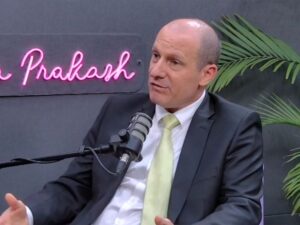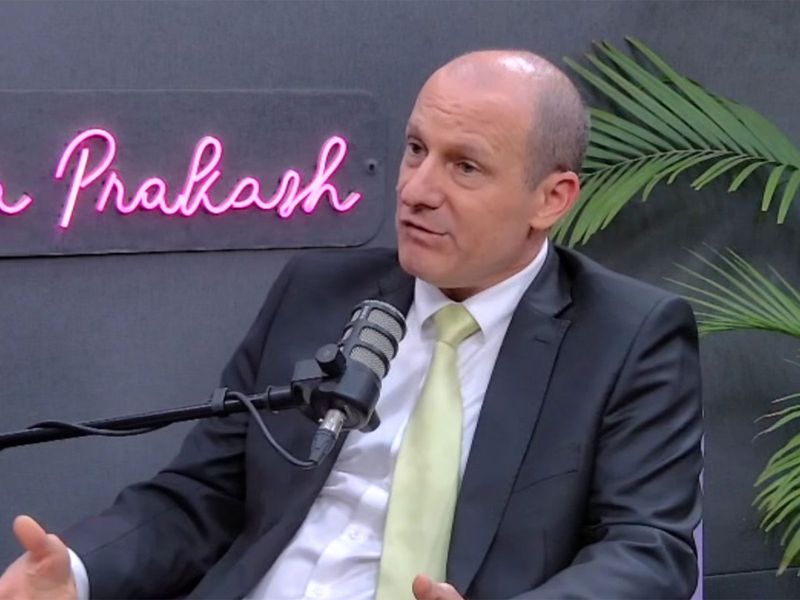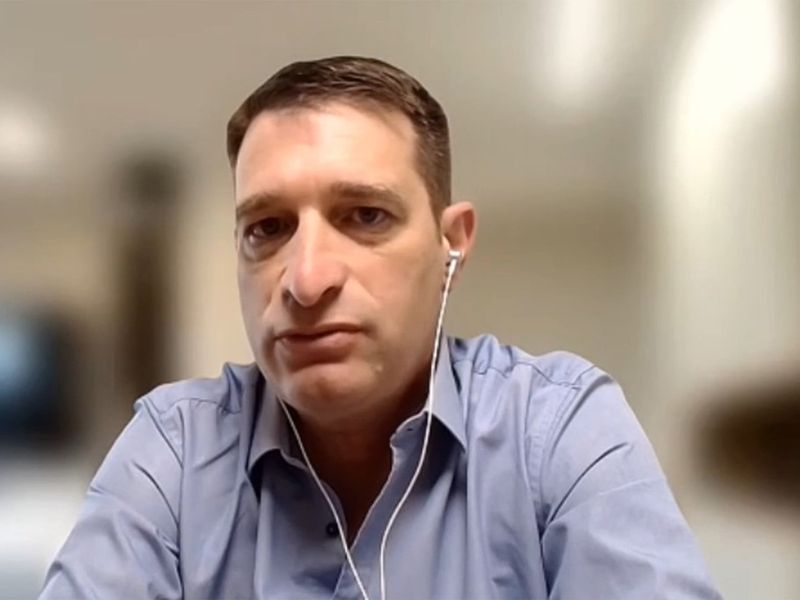

Jerusalem [Israel], June 16 (ANI): Jerusalem Centre for Security and Foreign Affairs (JCFA) CEO Sagiv Steinberg has warned that Israel may carry out fresh military strikes against Iran if Tehran rebuilds its nuclear programme or ballistic missile capabilities despite the announced US-Iran agreement, saying the deal does not bind Israel and may fall short of addressing its core security concerns.Speaking to ANI, Steinberg said Israel remains committed to preventing Iran from acquiring nuclear weapons and would not hesitate to act independently if it detects renewed threats emanating from the Islamic Republic.”If Israel sees again that Iran is rebuilding the ballistic missile industry, rebuilding nuclear capability, we will have a problem, and Israel should, and Israel would go to another attack in Iran even without the US,” Steinberg said.His remarks come amid discussions surrounding the memorandum of understanding reached between the United States and Iran on Monday, which is expected to be formally signed on Friday. While US President Donald Trump has described the agreement as a major step towards regional stability, Israeli officials have expressed reservations over certain aspects of the deal.Steinberg acknowledged Trump’s strong support for Israel, describing him as one of the country’s closest allies.”Trump is the greatest ally of Israel. Let’s not forget it. He started the war together with Israel. He sees Israel, and also the American defence industry sees it as the greatest ally that the US ever had,” he said.However, he stressed that differences between allies are inevitable and suggested that discussions between Washington and Jerusalem on the agreement are likely to continue.”With friends, there are issues that can be solved. With friends, there are issues that can be discussed. And I don’t think it’s the last word between Israel and the US,” he said.According to Steinberg, the agreement is strictly between Washington and Tehran and does not place obligations on Israel.”The agreement is between the US and Iran. It doesn’t involve Israel. As far as the Israeli government, as I can see now, what they are saying at high levels of the Israeli government, the agreement doesn’t apply to Israel,” he said.On the nuclear issue, Steinberg voiced concern over reports that Iran may be permitted to enrich uranium at low levels under the agreement. He argued that such a provision could leave room for future risks if not accompanied by strict controls over Iran’s existing stockpiles and nuclear infrastructure.”What we know for now, only we know from the Iranian side and what President Trump said today, that Iran will have the capability to enrich uranium at a low level inside Iran,” he said.”If the Iranians can enrich uranium and there won’t be any deal about the stockpile of uranium over there, I think that it’s only a matter of time when Israel will have to act alone in order to get Iran back to the negotiating table,” he added.Steinberg further said he does not believe the agreement marks the end of the conflict between Israel and Iran, predicting recurring confrontations if Tehran is perceived to be rebuilding military capabilities.”I think we are in a new situation that it’s going to be rounds of fight between Israel and Iran once a year, twice a year, or once in two years. Every time Israel will see a threat coming from Iran, she will have to act,” he said.He also noted that many in Israel were disappointed with the reported terms of the agreement, arguing that the country cannot accept a scenario in which Iran emerges as a dominant regional power. (ANI)(This content is sourced from a syndicated feed and is published as received. The Tribune assumes no responsibility or liability for its accuracy, completeness, or content.)